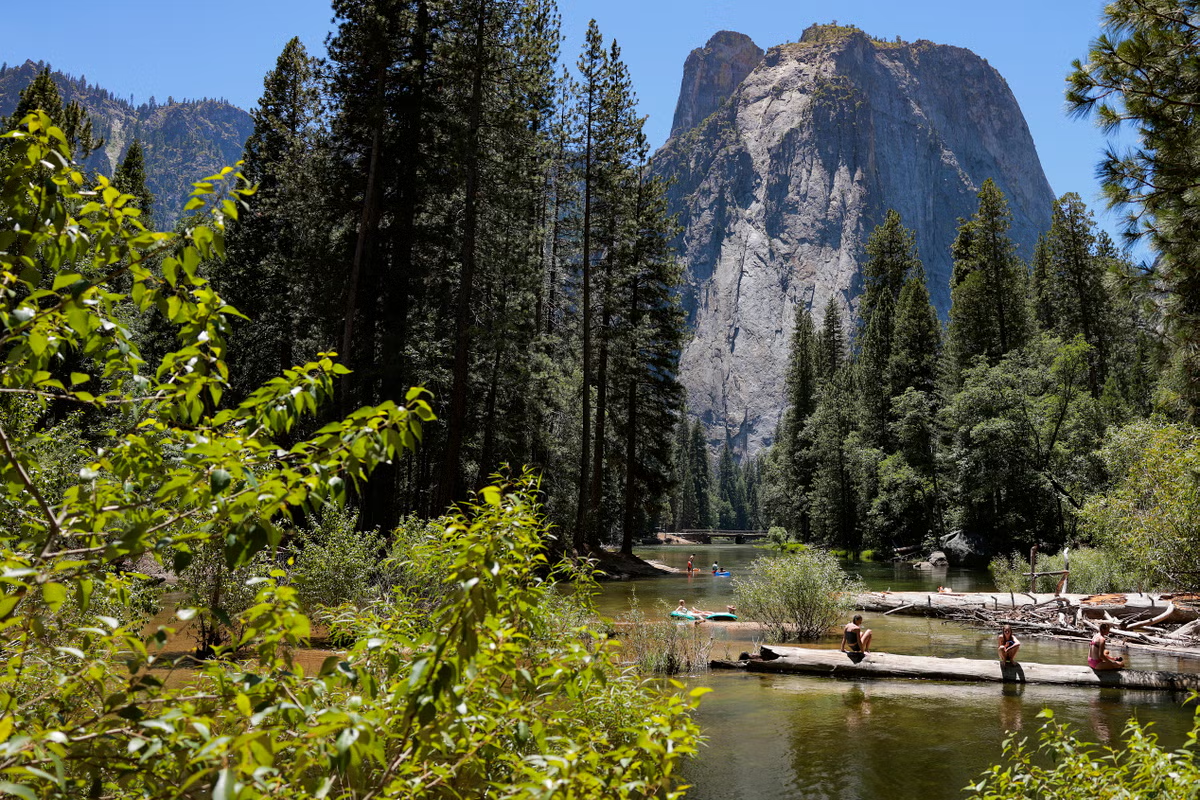
The Trump administration is reportedly considering a land swap that would give part of Yosemite to a private developer who wants to build a road connecting a lodge and rental cabins to the national park.
The proposal would see the federal government give 1.1 acres in Yosemite — the country’s fifth most-visited national park — to Nevada-based Kingsbarn Realty Capital in exchange for another equivalent parcel of land in California.
The land, currently owned by the Interior Department, would be used to connect the highway inside Yosemite to a property just outside the park’s western boundary that is owned by Jeff Pori, the developer, told The Washington Post.
On the 83-acre property, Kingsbarn hopes to build short-term rental accommodations and a lodge for tourists. Pori denied it would be a “compound for rich guys,” as some detractors have tried to characterize it.
The lodge and rentals project has yet to be designed but that hasn’t stopped critics from slamming the proposal as using Yosemite National Park for personal gain.
“It’s for a massive commercial development,” Neal Desai, of the National Parks Conservation Association, told the Post. “This is to help a real estate developer make a massive windfall off of property that never had direct private access to a national park, full stop.”
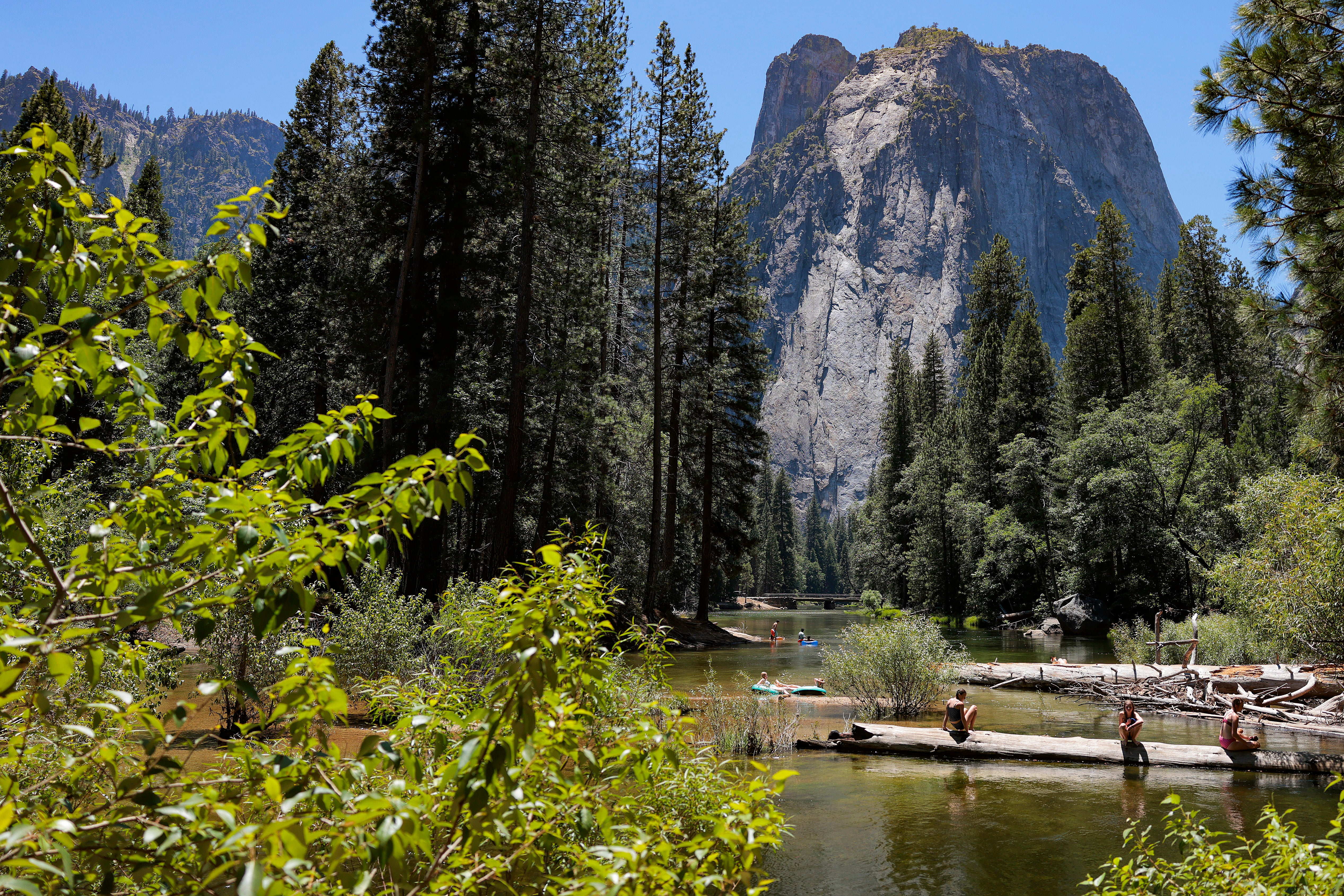
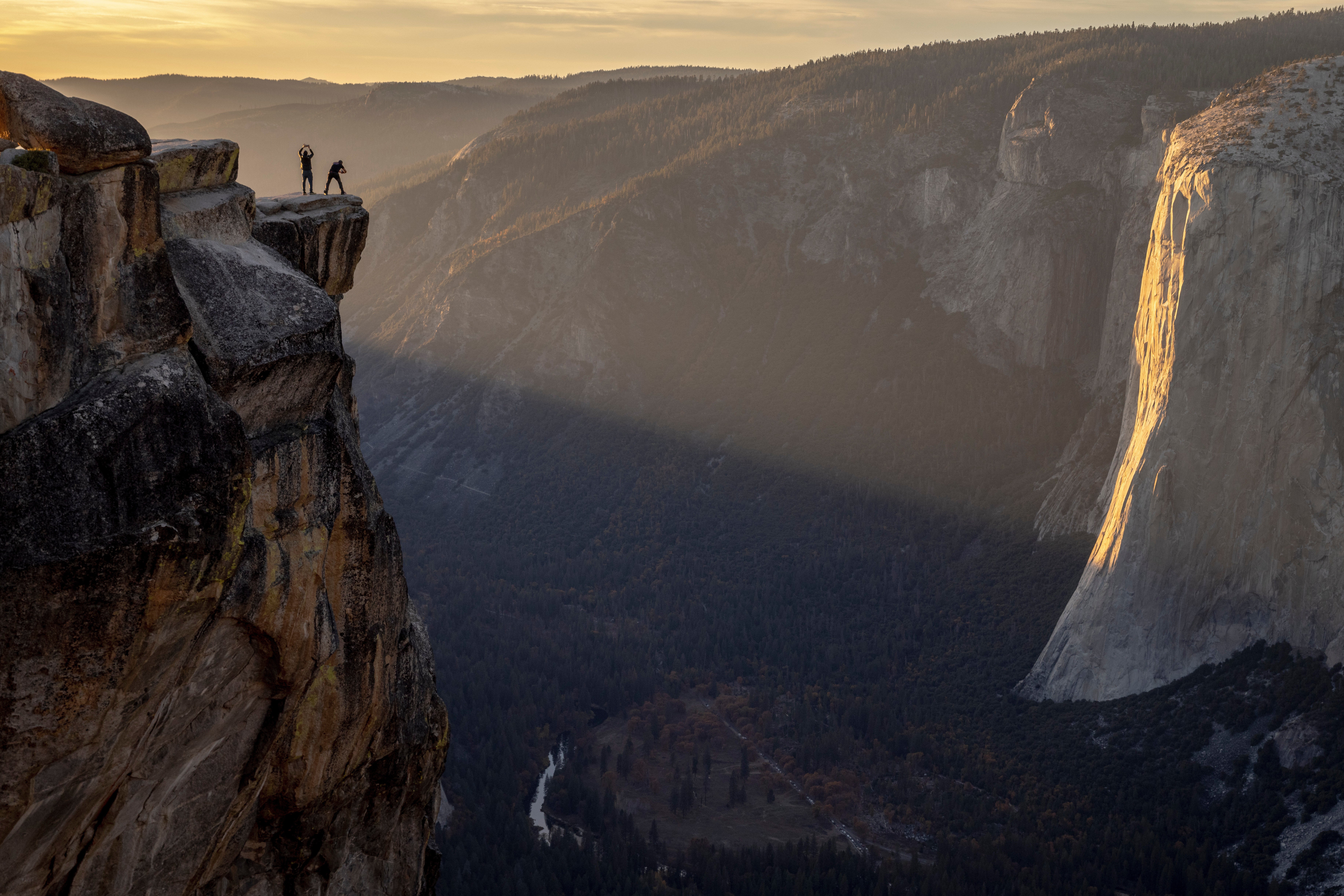
Yosemite National Park draws more than four million visitors each year. It is often called one of the Seven Natural Wonders of North America due to its unique geography, which includes El Capitan, one of the world’s largest exposed granite monoliths, as well as Yosemite Falls, one of the highest waterfalls on the continent.
The proposed lodging would spread out visitors and help decongest crowded areas where accommodations are located inside the park, Pori claimed.
“It’s about safety, convenience and adding something to the park so that it would be a nice place for people to come to. And the fact that it’s a long way away from where the other lodging is, which is congested,” Pori said.
Desai says the project would only make the park even busier. Congestion has been a problem ever since the Trump administration got rid of a reservation system that helped the flow of traffic for visitors, he added.
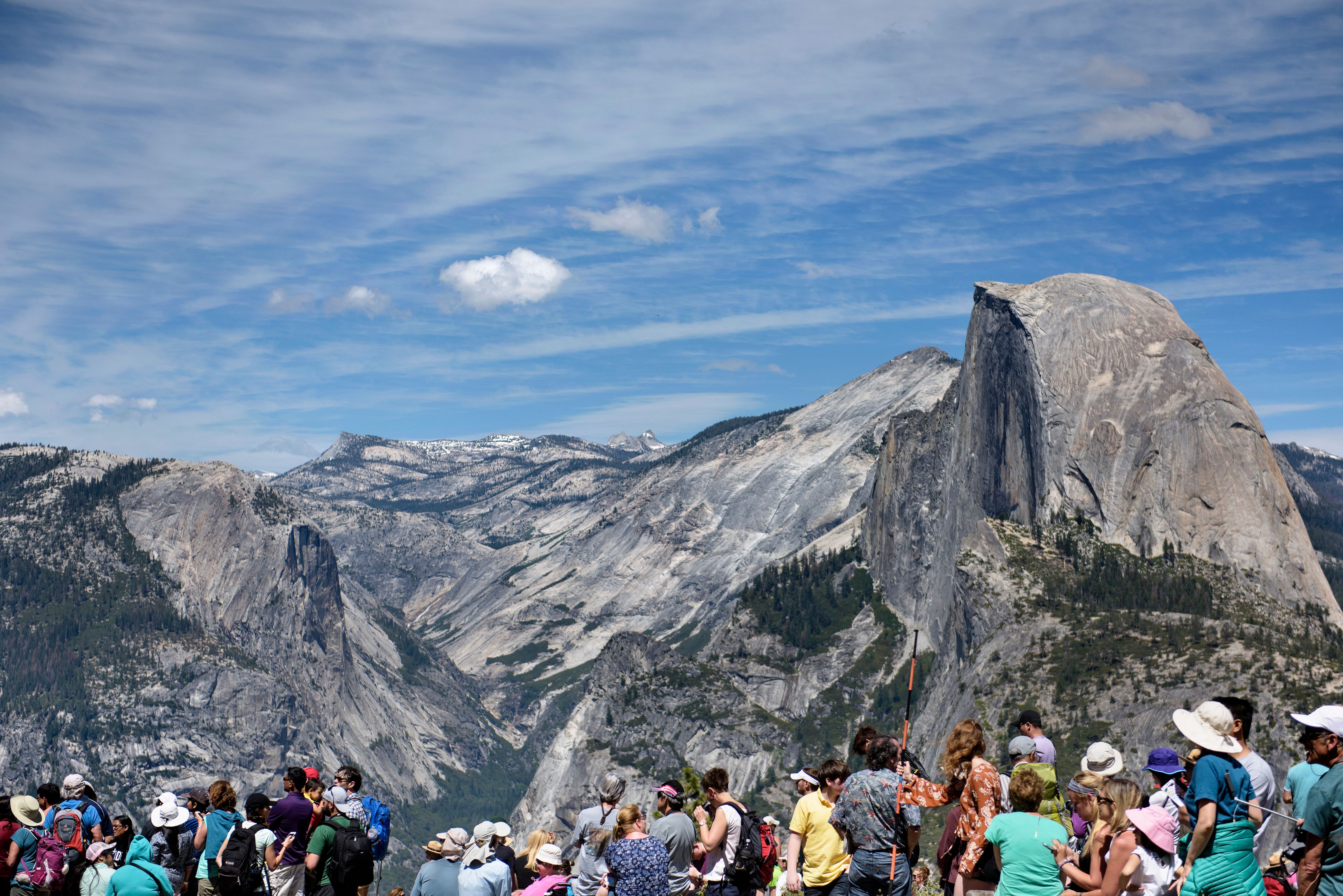
As it stands, there is often a lengthy wait to enter Yosemite. Once visitors enter, there are hundreds of cars competing for a few parking spaces near the trailheads in the valley.
“We have people already waiting for hours just to get inside the park, and then they get inside the park and they spend another hour circling around looking for parking. Yosemite right now is in complete chaos,” Desai said.
The land swap proposal has been backed by top Interior Department officials, sources told NOTUS, which first reported the news.
Interior Department spokesperson Elizabeth Peace told the Post that “if a more concrete proposal is submitted for consideration,” it would be subject to federal law and a review process, which would include opening it for public comments and an environmental review.
The Independent has contacted the Interior Department for comment.
The National Park Service typically only transfers land with congressional approval.
But there are few exceptions for minor adjustments to park boundaries — as long as they are made for conservation purposes.
“A land exchange does not necessarily require a congressional appropriation if the proponent agrees to cover all associated costs,” Peace said.
“Depending on the appraised values of the properties involved, congressional notification or approval may be required before an exchange could be completed.”
The Land and Water Conservation Fund, a bipartisan program established in 1964 to safeguard natural areas and water resources, uses revenue from offshore oil and gas leasing to buy land, water and conservation easements to protect national parks, forests wildlife refuges and more.
Through the Great American Outdoors Act of 2020, Congress granted it permanent annual funding of $900 million to protect conservation land.
Earlier this year, the Trump administration included the Yosemite land swap on a list sent to lawmakers on the Senate Appropriations subcommittee for Interior. The list included potential items for the 2026 fiscal year’s fund transactions. However, Congress has not advanced the project, according to the Post.
Senators Jeff Merkley, a Democrat from Oregon, and Lisa Murkowski, an Alaska Republican, are the top-ranking members on the interior subcommittee, and provided the Interior Department with a list of projects they agreed to advance — but not the Yosemite land swap.
“That didn’t include the Yosemite project, which Senator Merkley objected to,” Merkley’s spokesperson told the Post.
The land being eyed for the swap in Yosemite is in Tuolumne and Mariposa counties, according to the report. The land the federal government would receive in exchange “may be in a different county,” the submission to Congress noted.
Desai, who works for the National Parks Conservation Association, said if the land exchange is allowed for commercial gain — rather than conservation — it would set a dangerous precedent.
About the Author