
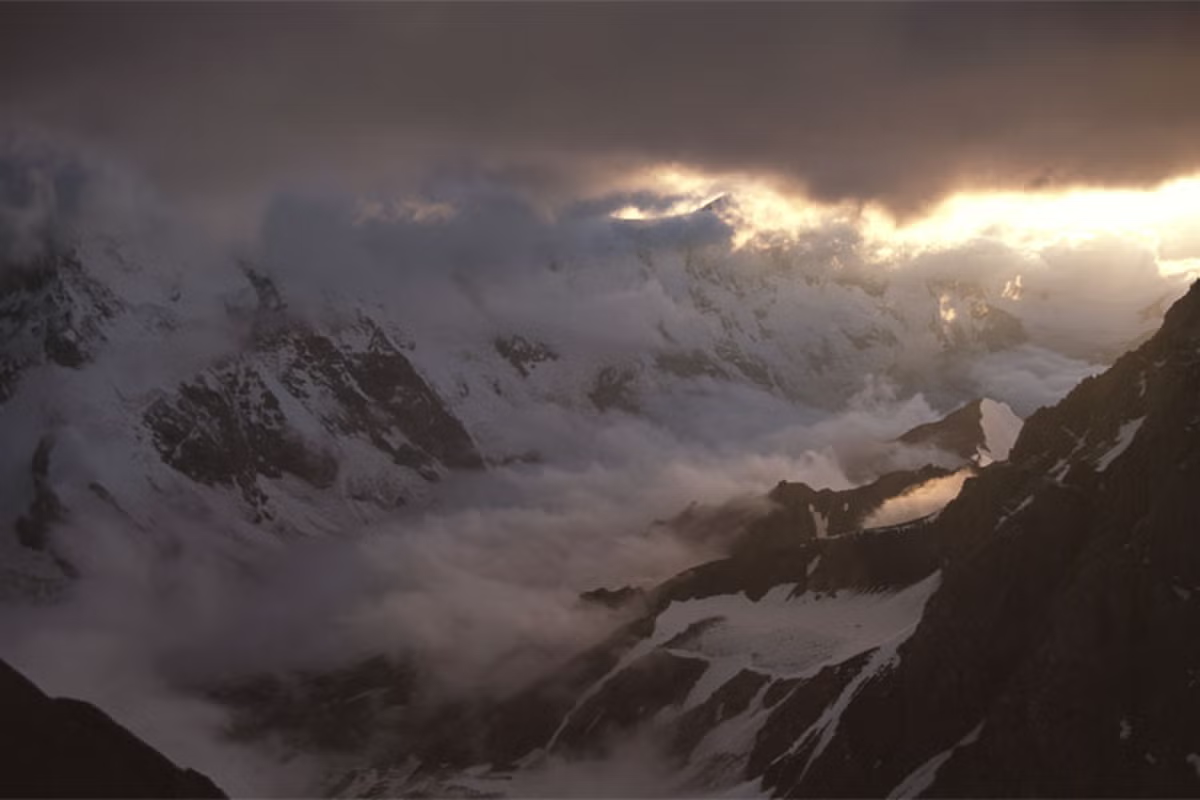
At least 11 people have been killed and six others injured after an avalanche in Russia.
The avalanche hit a group of climbers in the Kabardino-Balkaria region in the North Caucasus on Sunday.
It swept down Mount Mizhirgi, one of the area’s highest peaks, around 5pm local time (2pm GMT), hitting a group of 33 climbers, emergency services said.
Ten climbers had made their own way down the mountain as of 9am local time on Monday.
However, emergency services said that the fate of six climbers remained unknown.
More than 50 emergency workers were involved in the search and rescue operation, but efforts were being hampered by difficult terrain and a high risk of further avalanches, they said.
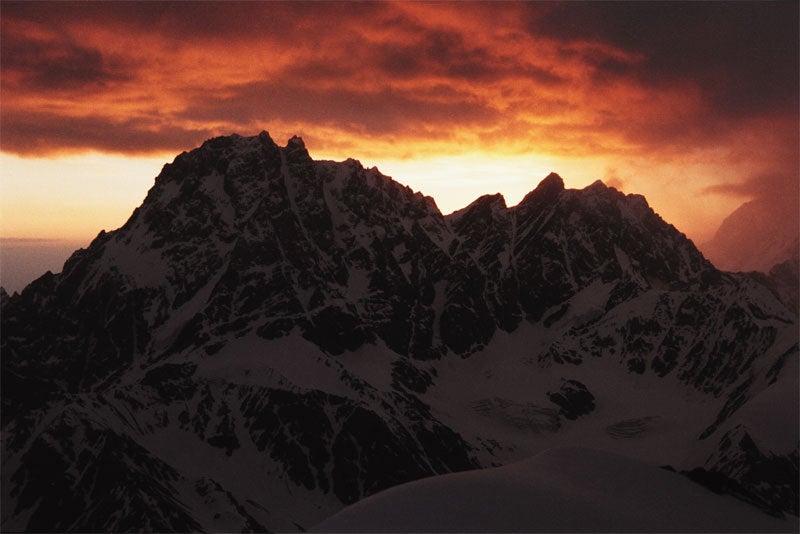
Mount Mizhirgi’s western summit is 5,047 metres tall (16,558 feet), while its eastern summit stands at 4,927 metres (16,165 feet).
It is classified as an ultra-high peak and is one of 12 mountains in the Caucasus region that stands over 5,000 metres tall.
Mount Elbrus, which is both Russia and Europe’s highest peak at 5,642 metres (18,510 feet), is nearby.
The Caucasus is a popular destination for mountaineers, with 15,000 to 20,000 visitors descending on Mount Elbrus alone every year.
A deadly winter on Europe’s peaks
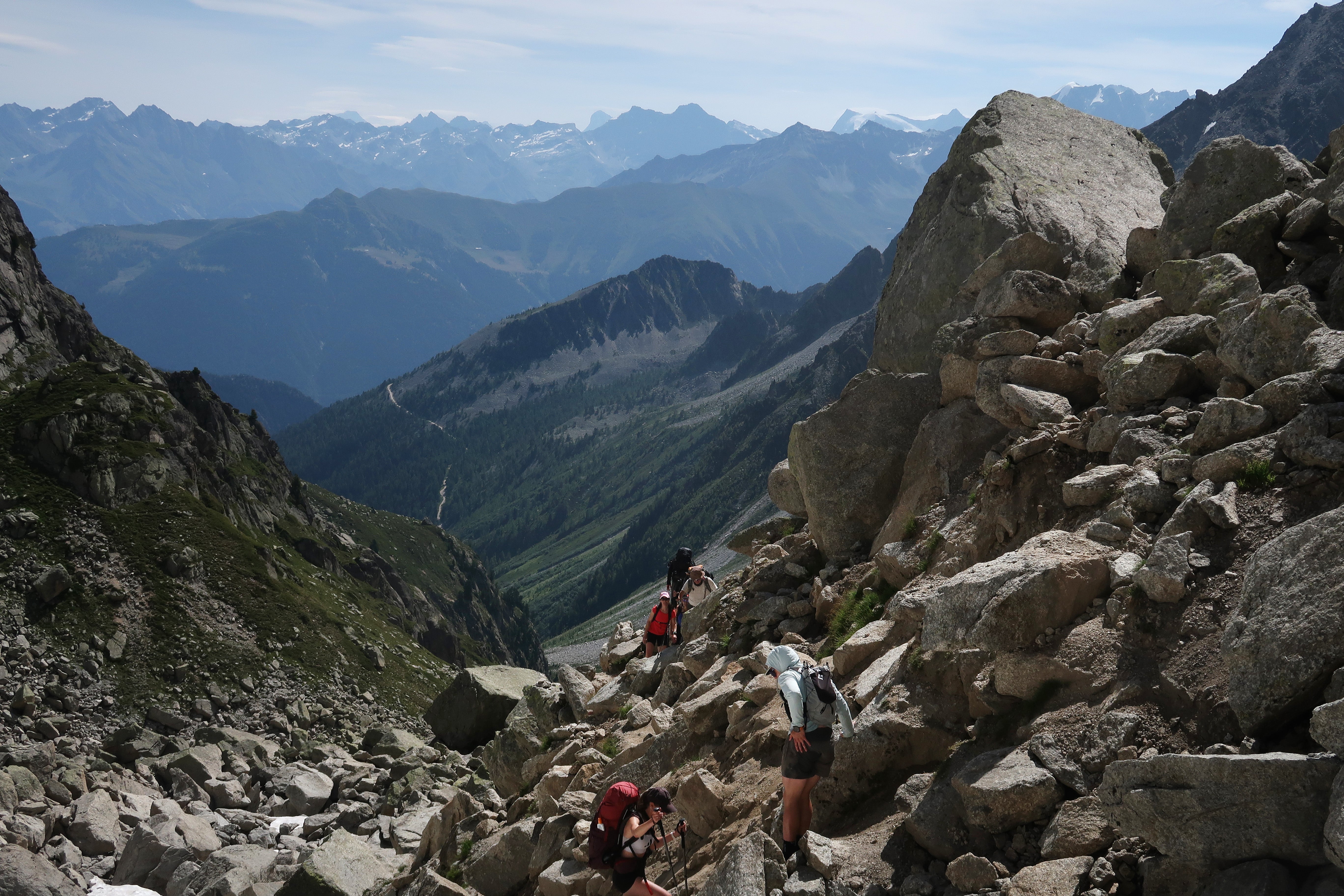
A series of fatal incidents struck European mountains over the winter, with around 100 fatalities recorded.
In Italy, there was a record number of mountain deaths when 13 people were killed, 10 of them in avalanches.
In Switzerland, a train derailed in the Valais region, injuring five people, after the region issued its most severe avalanche warning.
There were at least 13 deaths in the Swiss Alps during the season, according to the Institute for Snow and Avalanche Research SLF.
And in the French alps at least 27 people have been killed in 2026, including a number of British skiers.
The summer toll marked France’s highest death toll since the 2020 to 2021 season, when 40 people lost their lives in avalanches.
Weather conditions across the Alps produced perfect conditions for huge slides, often triggered by just a single skier.
But beyond that, researchers warn that climate change is also having an impact on the frequency of avalanches.
About the Author