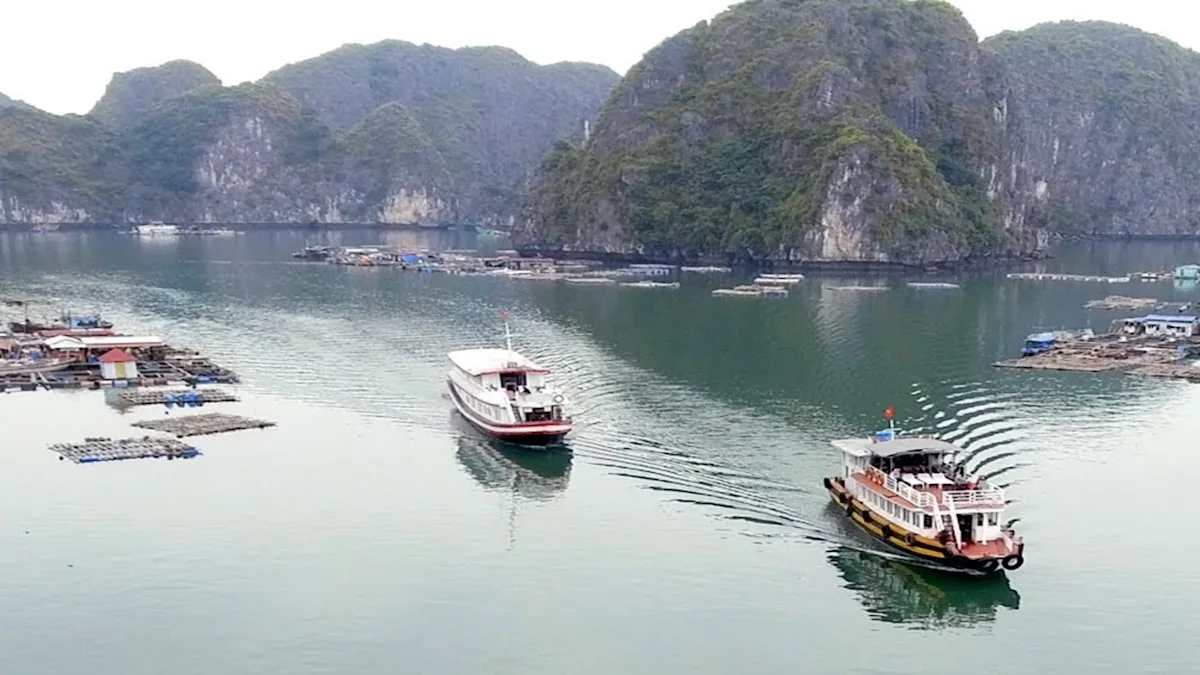
Lan Ha Bay is one of the most beautiful and secluded coastal destinations in northern Vietnam. Located near the famous Ha Long Bay, Lan Ha Bay contains around four hundred limestone islands surrounded by calm emerald waters and isolated beaches. Although geographically connected to Ha Long Bay, Lan Ha Bay lies within a different province, making it more difficult for tourists to access. This separation helped the area preserve its quiet atmosphere and natural beauty while avoiding the heavy tourism found in neighbouring regions. Towering limestone formations rise dramatically from the sea, creating a landscape shaped over millions of years through erosion and geological change. The bay is also rich in biodiversity, supporting hundreds of marine species, including fish, molluscs, and larger sea animals that thrive within its protected waters. Visitors exploring the bay often travel by boat through narrow passages and hidden lagoons surrounded by cliffs covered in tropical vegetation. Many travellers are drawn to the peaceful environment because it offers a slower and more intimate experience compared with busier tourist destinations nearby. Among the scattered islands sits a floating fishing village where local families continue living according to traditional ways of life closely connected to the sea. Accessible only by boat, the village remains isolated from mainland urban development and preserves customs that have existed for generations. Homes float directly on the water, and families depend heavily on fishing and aquaculture for survival. Fish ponds attached to the floating houses allow villagers to farm seafood while maintaining a close relationship with the surrounding marine environment and preserving traditions that continue defining daily life throughout the remote bay region today.
Life within the floating village of Lan Ha Bay demonstrates the adaptability and resilience of communities living in remote coastal environments. Families rely on the sea not only for food but also for transportation, trade, and economic stability. Boats serve as the primary connection between households and nearby markets, schools, and mainland services. The nearest mainland location, Cát Bà Island, is approximately two hours away by boat, making the community largely self sufficient. Alongside fish farming, villagers also raise goats on nearby rocky islands where the animals graze freely and develop strength before being sold. This unusual combination of marine farming and livestock management reflects the creativity required to survive within such isolated surroundings. Tourism has gradually increased interest in Lan Ha Bay because visitors are attracted by the untouched scenery, floating villages, and quieter atmosphere compared with more crowded destinations in Vietnam. However, the region still maintains much of its original charm and cultural identity. Conservation efforts remain important because the bay’s fragile ecosystems support significant biodiversity and traditional livelihoods dependent on healthy waters and protected habitats. The combination of towering limestone islands, hidden beaches, floating homes, and rich marine life creates an environment unlike almost anywhere else in Southeast Asia. For many travellers, Lan Ha Bay offers an opportunity to experience both natural beauty and traditional Vietnamese coastal culture in a peaceful setting removed from large modern cities. The bay continues leaving strong impressions on visitors through its quiet waters, dramatic landscapes, and the enduring relationship between local communities and the sea that has shaped life there for countless generations over many centuries in harmony.
About the Author