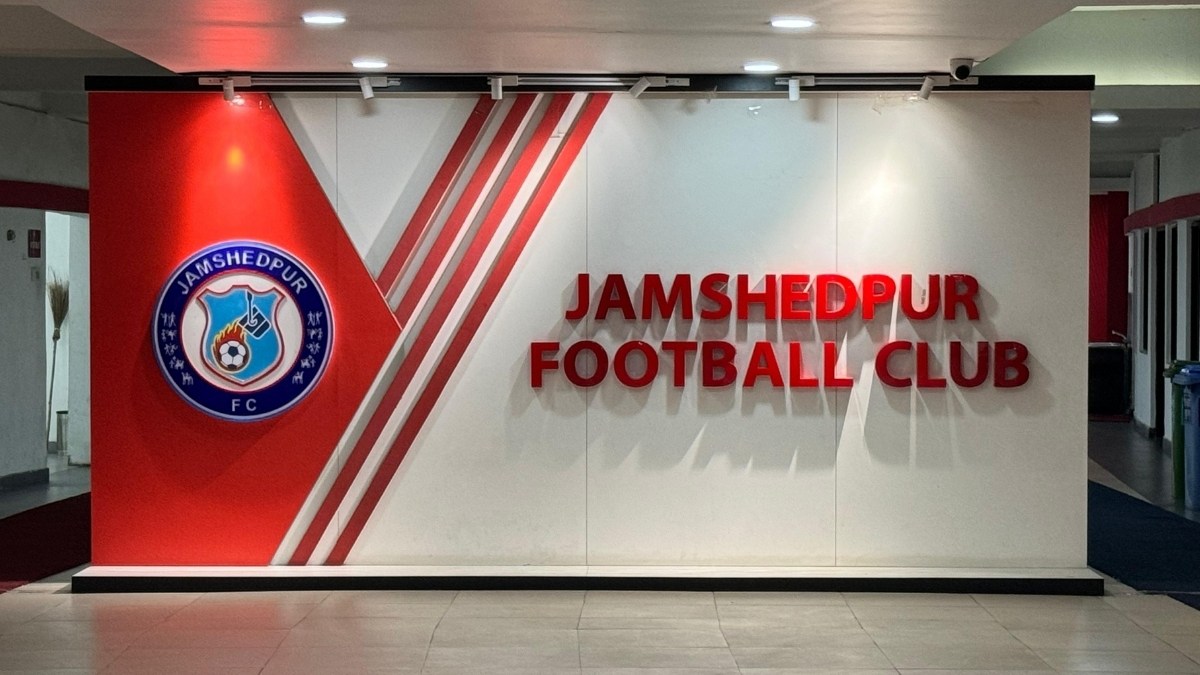
After Jamshedpur FC’s untimely and sudden demise from Indian football’s top tier, there are questions which are lingering among the players, staff and supporters.
On August 1, the club released a statement confirming their withdrawal from the upcoming withdrawal from the Indian Super League (ISL), creating a plethora of questions, panic and shock.
Amid all the questions, JFC stated on Tuesday that it was the result of a long and carefully considered internal strategy.
Speaking to PTI, Tata Steel Vice President (Corporate Services) D B Sundara Ramam said the decision had been in the works for months and was not influenced by the expiry of the Master Rights Agreement (MRA) between the AIFF and Football Sports Development Ltd (FSDL).
“The current decision has nothing to do with whatever changes have happened in the last one year. Our decision has been independent of that.”
“It was a well thought-through and calculated move. We should work where we have strength — connecting with the community, nurturing young talent and preparing them to play at higher levels,” he added.
While Tata Steel’s commitment to grassroots football is difficult to question given the legacy of the Tata Football Academy, the explanation leaves behind a series of unanswered questions over how the club handled its exit from the country’s premier football competition.
Despite the club’s owners insist the decision was independent of the league’s commercial uncertainty, the timing of the announcement has left players, supporters and Indian football stakeholders with several uncomfortable questions.
If it was long planned, why wait until now?
Ramam revealed that Tata Steel had been reviewing its football strategy since last year before eventually deciding to return its focus to grassroots development.
If the decision was indeed the outcome of months of internal discussions, why was it announced only weeks before the new ISL season?
An earlier announcement in June or July would have allowed players, coaching staff and league stakeholders enough time to prepare for the fallout. Instead, the late withdrawal has created uncertainty across the transfer market and disrupted squad planning at multiple clubs.
Players left scrambling in a shrinking market. Why make them a Victim amid this volatile Indian Football Market?
Perhaps the biggest victims of the delayed announcement are Jamshedpur FC’s players.
With most ISL clubs having already finalised a significant portion of their squads, many players now enter the market at a stage when available roster spots are limited. Had Tata Steel communicated its decision earlier, several footballers could have negotiated moves while clubs were still actively rebuilding their squads.
Instead, a number of players now face an uncertain future through no fault of their own.
Why recruit six new players if the exit was already being discussed?
Another puzzling aspect of the situation is Jamshedpur FC’s transfer activity.
The club signed six players ahead of the upcoming campaign despite what Tata Steel now describes as a strategic decision that had been under discussion for months. Raynier Fernandes, Provat Lakra were among the known and ISL-proven names, while Aman CK, Abhishek Ambekar, Devendra Murgaokar and Leewan Castanha were also brought in.
If the board was already leaning towards withdrawing from the ISL, why continue investing in squad building? The recruitment drive now appears contradictory to the narrative that the exit was the culmination of a long internal process.
It raises questions about whether football operations were fully informed of the board’s intentions or whether planning continued despite an impending withdrawal.
What about the legacy left behind?
Jamshedpur FC were more than just another ISL franchise. Since joining the league in 2017, the club built one of Indian football’s most passionate fan bases. The JRD Tata Sports Complex regularly witnessed strong attendance, with supporters backing the Men of Steel through highs and lows. The club also established a reputation for stability, community engagement and youth development.
While Tata Steel says it is returning to its grassroots roots, many supporters will wonder whether the exit could have been managed with greater transparency and respect for those who invested emotionally in the club over nine seasons.
The commitment to grassroots football remains commendable. However, the manner in which one of Indian football’s most professionally run clubs has exited the ISL risks overshadowing that legacy.
For many stakeholders, the issue is no longer why Tata Steel decided to leave – but how it chose to do so.
Story first published: Wednesday, August 5, 2026, 8:10 [IST]
About the Author