The Department of Homeland Security is allegedly conducting a mass surveillance operation on social media bent on identifying posters who are criticizing and making threats against immigration agents.
As part of the effort, DHS has sent hundreds of subpoenas to social media companies while asking commenters to sign letters stating that their online speech “may” be considered a crime, The Wall Street Journal reports.
Such requests can reportedly include seeking information about a user’s real name, address, date of birth, workplace and Social Security number.
In some cases, social media companies such as Reddit have rejected the subpoenas as too broad, prompting DHS to withdraw the requests, according to the paper.
The Constitution gives wide latitude to document and criticize government action — and even engage in hyperbolic and angry political speech about federal agents — though “true threats” are not protected by the First Amendment.
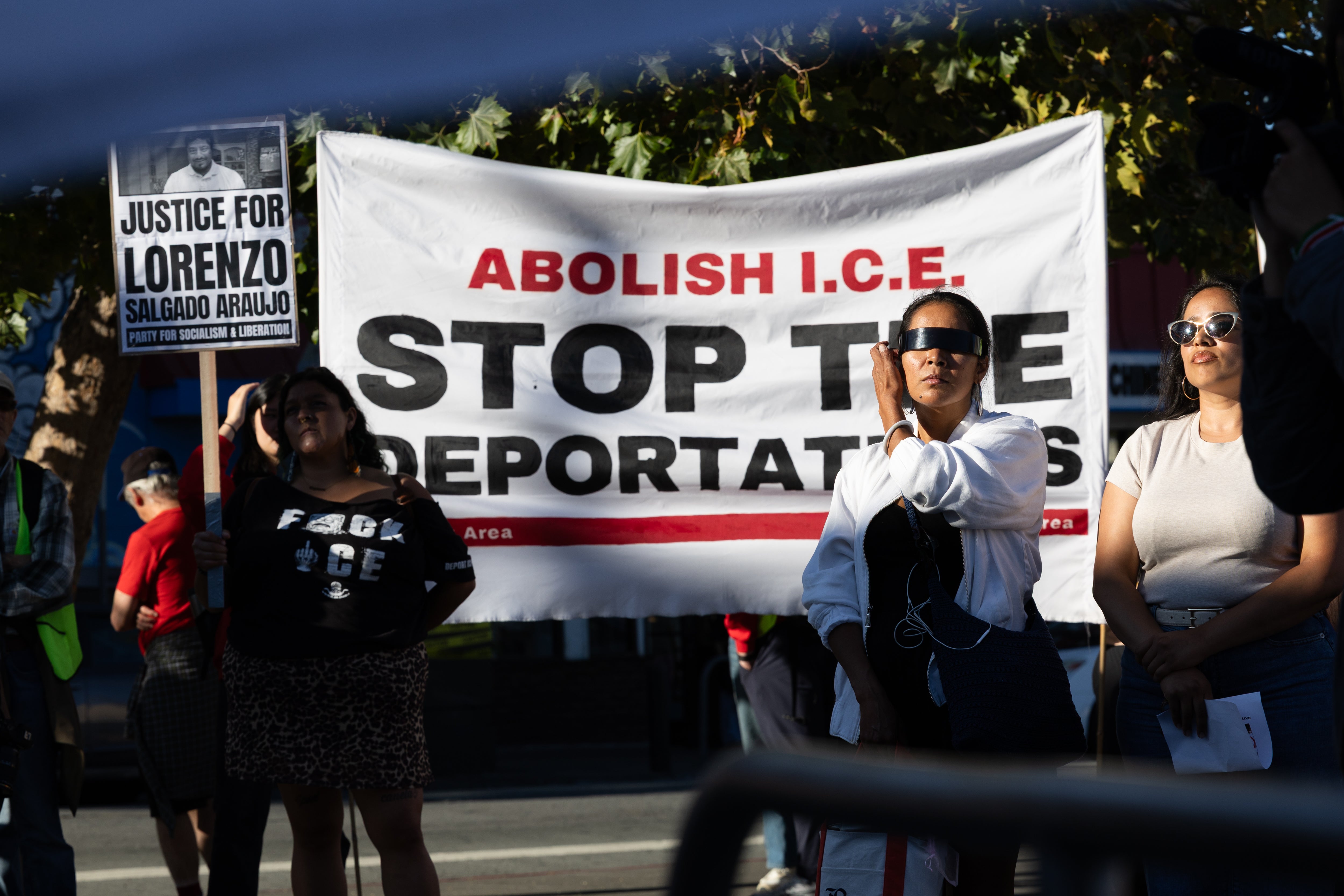
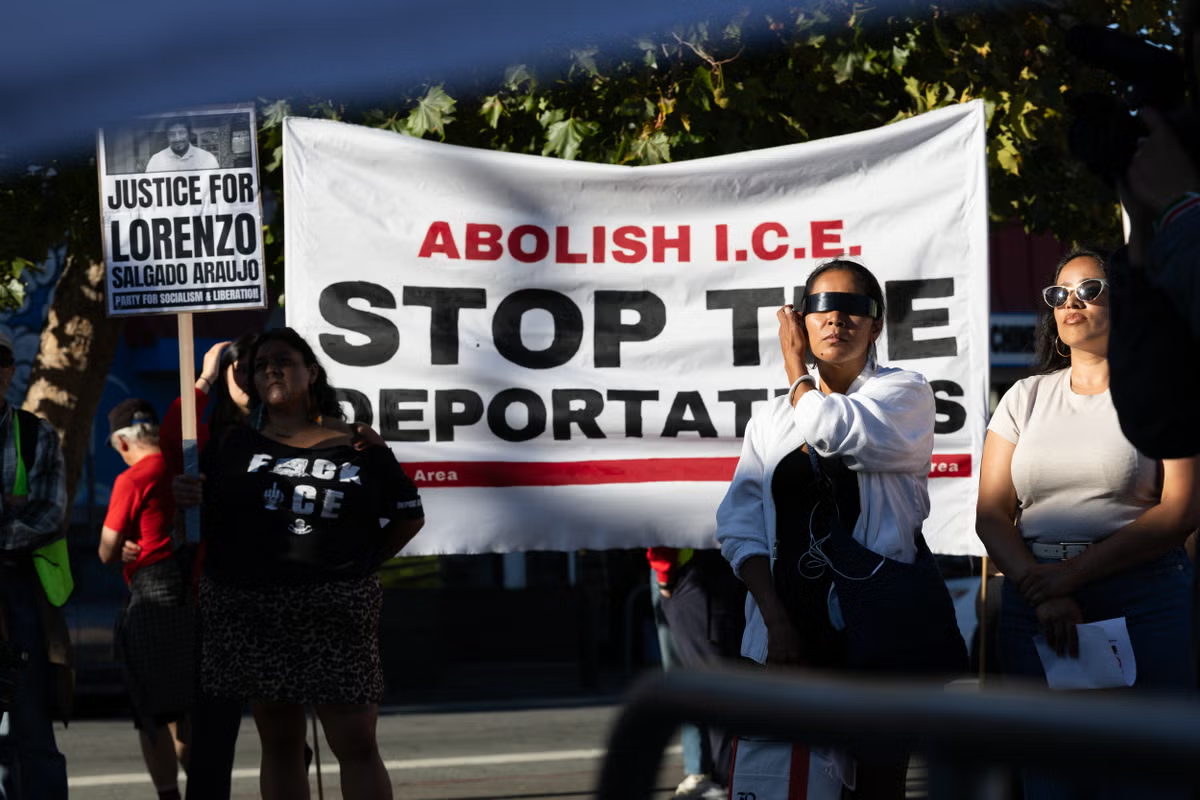
In one case, the Trump administration allegedly tried to identify a Reddit user whose posts included a call to “abolish” Immigration and Customs Enforcement and a comment sharing a Minnesota ICE agent’s phone number after looking it up on a public records website.
In another, agents allegedly showed up in person at the workplace of New York poll worker Paigelynne Gonyea after she posted about Jonathan Ross, the ICE agent who fatally shot protester Renee Good in Minnesota in January.
Gonyea told the paper she was asked to sign a letter stating that her posts could be illegal. The New York woman said she could only remember posting that Ross should be indicted, while the federal government claims she shared an agent’s home address.
The Independent has contacted DHS for comment.
The Trump administration has been accused of violating civil liberties in its quest to identify and prevent threats against agents, which it says are surging amid the president’s unprecedented deportation campaign.

As The Independent reported, DHS agents have been seen using Meta AI sunglasses to surveil members of the public during protests, raising fears the glasses could form part of a surveillance dragnet that has seen agents allude to critics being added to a domestic terrorist watchlist.
DHS has consistently said it monitors for illegal threats against agents, but it denies any such terror watchlist exists for Trump administration critics.
According to critics, the administration has conflated legal First Amendment activity with crime, referring to protesters filming agents as illegal “doxxing.”
The White House has also sought to define political criticism as threatening conduct. A September national security memo on domestic terrorism enforcement lists “anti-Americanism” and criticisms of “law enforcement and border control” as key indicators that could merit an investigation.
The Trump administration has used artificial intelligence to scan social media in an attempt to “catch and revoke” the visas of individuals it accuses of supporting Hamas, a position the White House has often conflated with advocating on behalf of Palestine.
Multiple Palestine activists have faced prosecution from the administration, in what they allege is political persecution for their views rather than any criminal conduct.
Last year, immigration agents arrested a Massachusetts graduate student, Rümeysa Öztürk of Turkey, after she wrote an opinion article related to Palestine.
She was held in detention in Louisiana for weeks before a judge ordered her release.
Öztürk left the country this year after settling with the government.
The U.S. continues to battle Mahmoud Khalil, a U.S. permanent resident and Palestine activist, in a case that has now reached the Supreme Court.
In a separate civil rights suit, Khalil alleges that the U.S. acted on tips from pro-Israel online vigilante groups to identify and detain him, potentially violating the Reconstruction-era Ku Klux Klan Act.
The White House has defended its actions, arguing the administration “has the lawful authority to take actions that will protect the public and to ensure the integrity of our immigration system.”
About the Author