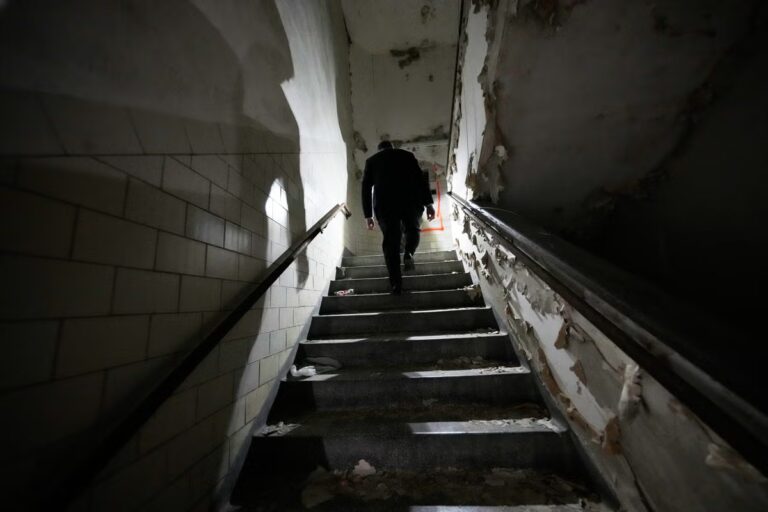
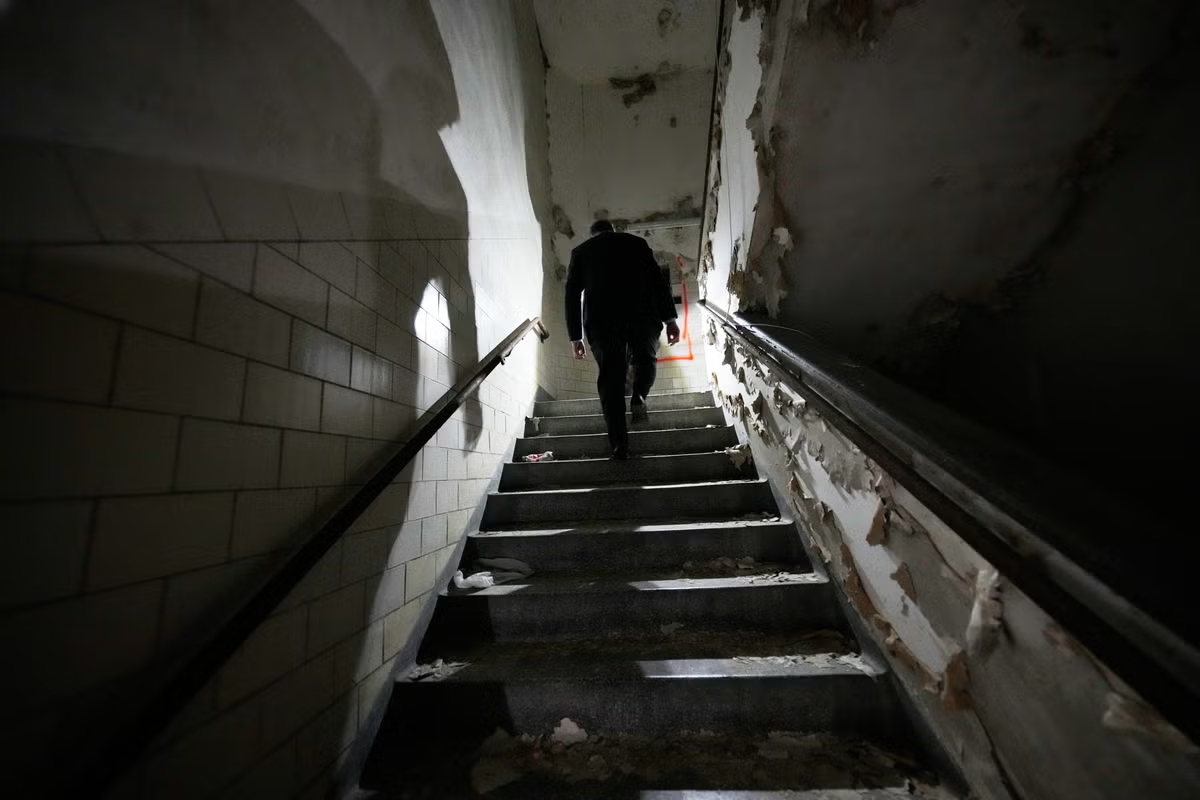
In the chaos of Hurricane Katrina, Charity Hospital in New Orleans became a scene of heartbreak and heroism, with doctors scrambling to keep patients alive without power or functioning medical equipment while floodwaters trapped them inside its darkened halls for days on end.
The massive hospital, a New Orleans landmark that long cared for the city’s most vulnerable residents, was shuttered after the last patients and staff were rescued in 2005. Now, as Louisiana marks the storm’s 21st anniversary Saturday, the long-vacant storm-damaged building is on the brink of new life.
New Orleans landmark is to become a medical research hub
Tulane University announced this summer that it is spearheading a $500 million effort to convert Charity Hospital into a pioneering medical research facility, transforming the 1930s-era art deco building into a downtown hub of biomedical innovation. Construction is expected to start this fall.
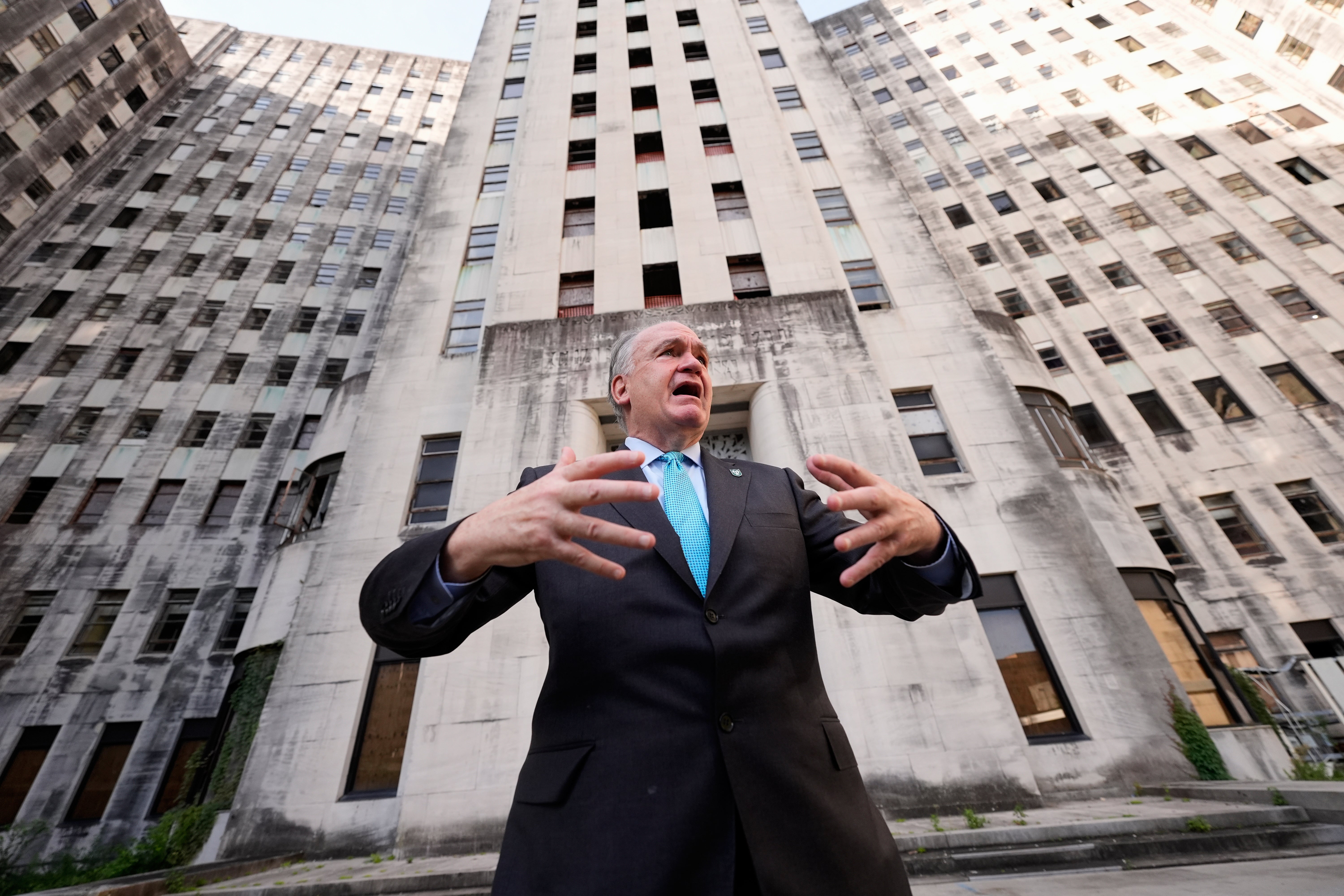
Local leaders have embraced the project in a city where some hospitals have haunted New Orleans since Katrina. Dozens of patients died at the former Memorial hospital, now known as the Ochsner Baptist Medical Center, after floodwaters trapped them inside in sweltering conditions without power. Demolition crews this month began tearing down another complex, the Lindy Boggs Medical Center, which had sat blighted and vacant for more than 20 years after Katrina.
One of the deadliest and most destructive hurricanes in U.S. history, Katrina killed nearly 1,400 people across five states and racked up an estimated $200 billion in damage, flattening homes along the nearby Gulf Coast and swamping entire neighborhoods with ruinous floods.
Tulane leaders say reviving the iconic landmark marks a major stride in putting behind the hurricane’s dark days.
Charity Hospital “reflected the sort of commitment of New Orleans to the healthcare of the community,” Tulane President Michael Fitts said. “Now it’s being brought back in a way that makes the same commitment to the community.”
Past moves to redevelop the art deco building fizzled
For generations, the Charity Hospital system served as New Orleans’ safety net, treating all patients regardless of whether they had health insurance. The million-square-foot (93,000-square-meter) main building has remained empty since Katrina. In the intervening decades, various redevelopment gambits have fizzled.
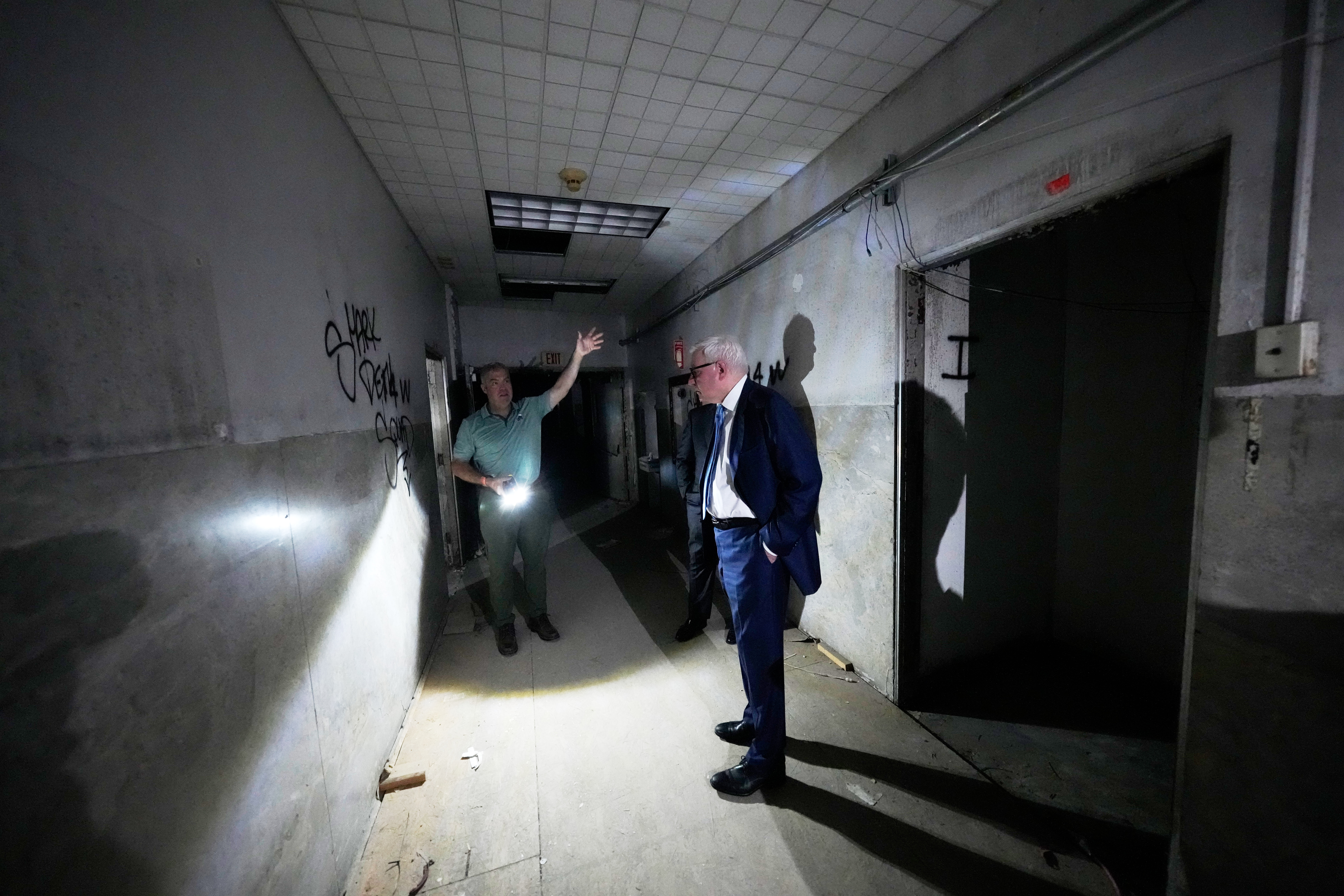
The hospital was run by Louisiana State University, which determined that Katrina left the building too damaged to reopen — an assessment that was disputed by some hospital staff and community members. Instead, LSU used federal disaster relief funding to open a new hospital.
After Katrina made landfall in Louisiana, the failure of New Orleans’ federal levee system inundated about 80% of the city in floodwaters.
A doctor recalls canoeing through the flooded city to check on hospital patients
Dr. Lee Hamm, dean of the Tulane University School of Medicine, recalled canoeing through the submerged city to check on the welfare of patients and health care staff.
“Everyone was exhibiting a lot of courage at the moment,” Hamm said. “People were going about doing what they needed to do.”
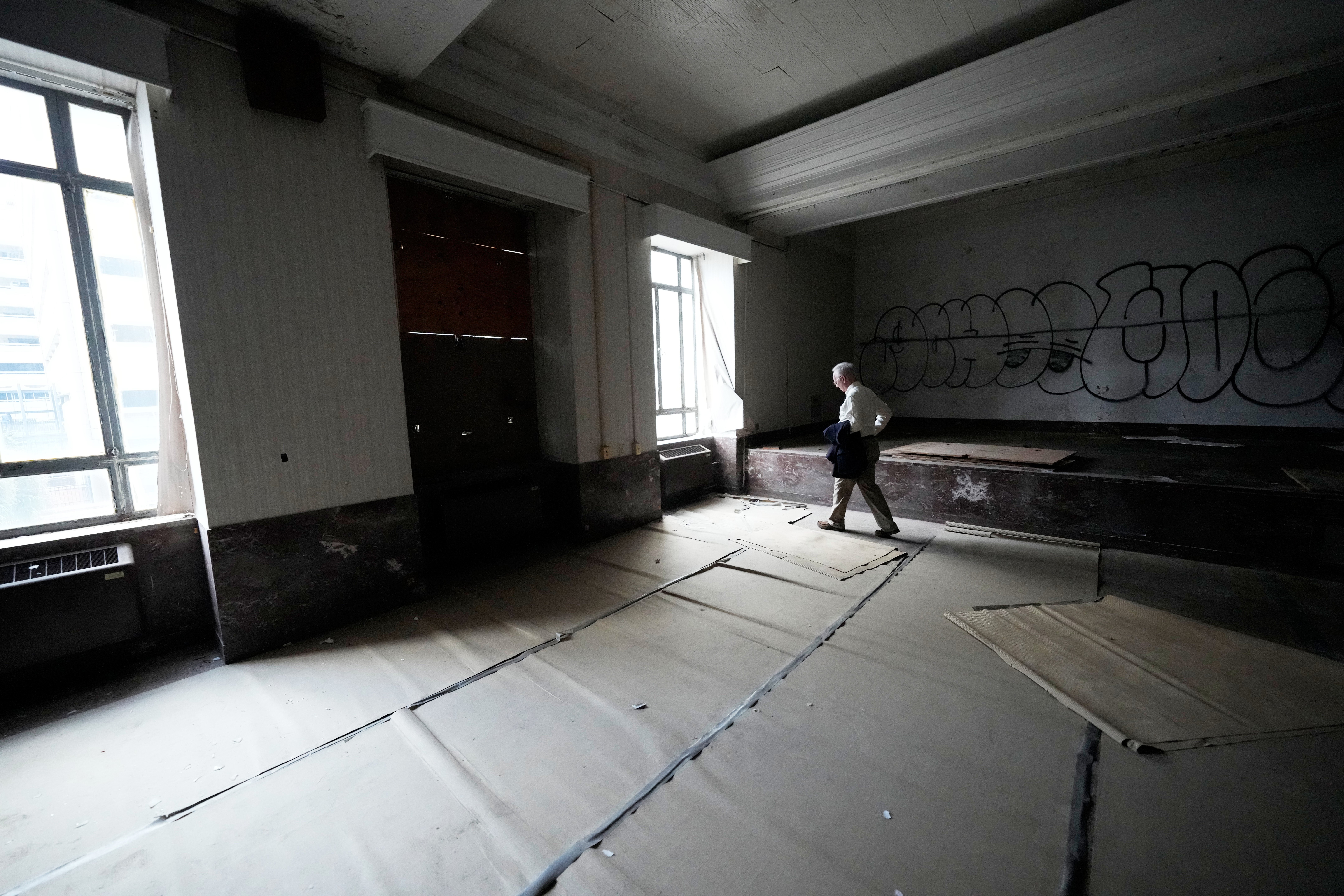
The new medical research hub is scheduled to be completed in 2029.
Plans include providing space for medical and public health programs as part of what Fitts called “the largest, most significant initiative in the history of Tulane.” The new accommodations will also include labs for hundreds of researchers, space for biomedical startups, and classrooms.
Hamm said he hopes the hub will spur medical advancements that benefit the entire Gulf South.
Anticipating a bright, new future for the Charity Hospital building, New Orleans Mayor Helena Moreno called the redevelopment “a welcome step forward and an opportunity to put this historic property back to productive use.”
About the Author