Growing up in a military family, Yeon-su was taught the South was the enemy. When she escaped, she tried to keep her distance from South Korean culture. But music found its way into her life.
She made it out in 2011, before BTS debuted, before K-pop became a global sensation. Now, even listening to it, or watching shows from the South, is a crime in North Korea that can land people in jail or worse.
Some like Yeon-su say they had never heard South Korean music until they crossed the border. When they did, it opened up a whole world of freedom and fun, helping them adjust to a strange, new life that was now completely their own.
But other defectors tell the BBC that despite the restrictions, K-pop has cut through in Kim Jong Un’s stifling dictatorship.
They say they used to listen to songs in secret, often not knowing who they were listening to, but clinging to the mysterious and hopeful lyrics. Some even managed to watch K-pop performances, shocked by the blue-haired idols wearing make-up: “Why do men look like that?”
“North Korea is a place where the whole system is set up so that there can only be one celebrity, one idol – Kim Jong Un,” says Hannah Oh, a 25-year-old defector.
But as it turns out, North Koreans have discovered other idols, like BTS and Blackpink, and before them, Girls’ Generation, Teen Top and 2PM.
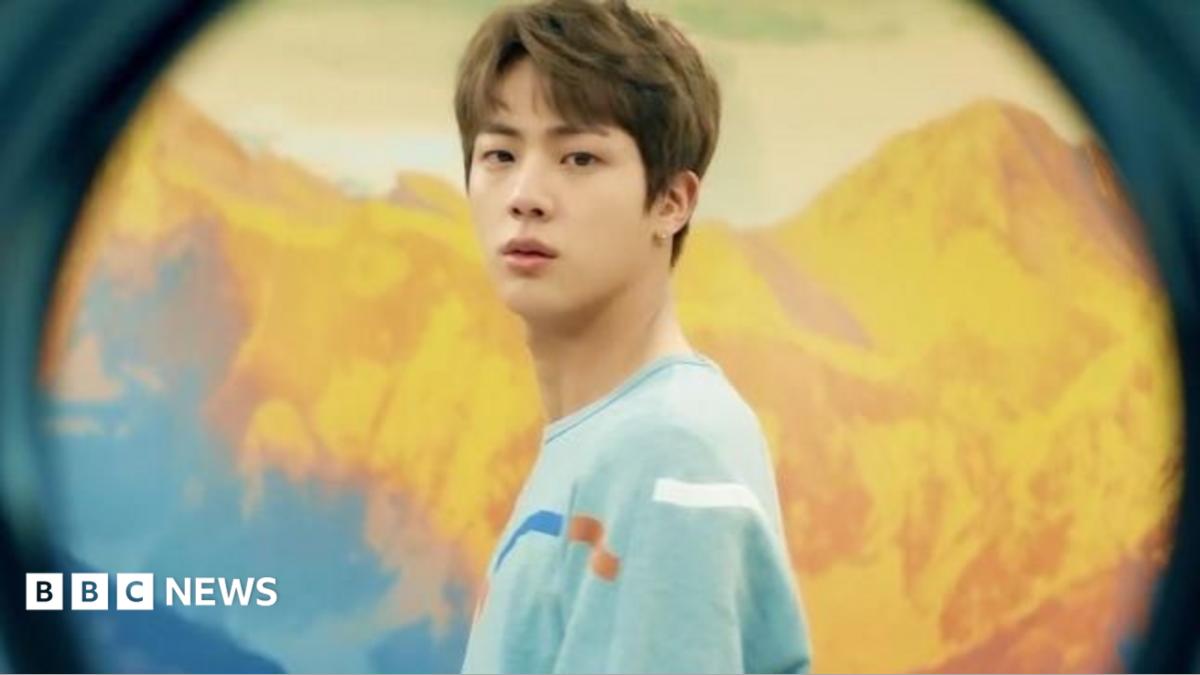
BTS’s Korean name Bangtan Sonyeondan has even become a part of everyday slang in the North, one defector says: “People say things like, ‘Have you tried on a Bangtan vest?’ or ‘Have you worn a Bangtan backpack?'”
About the Author