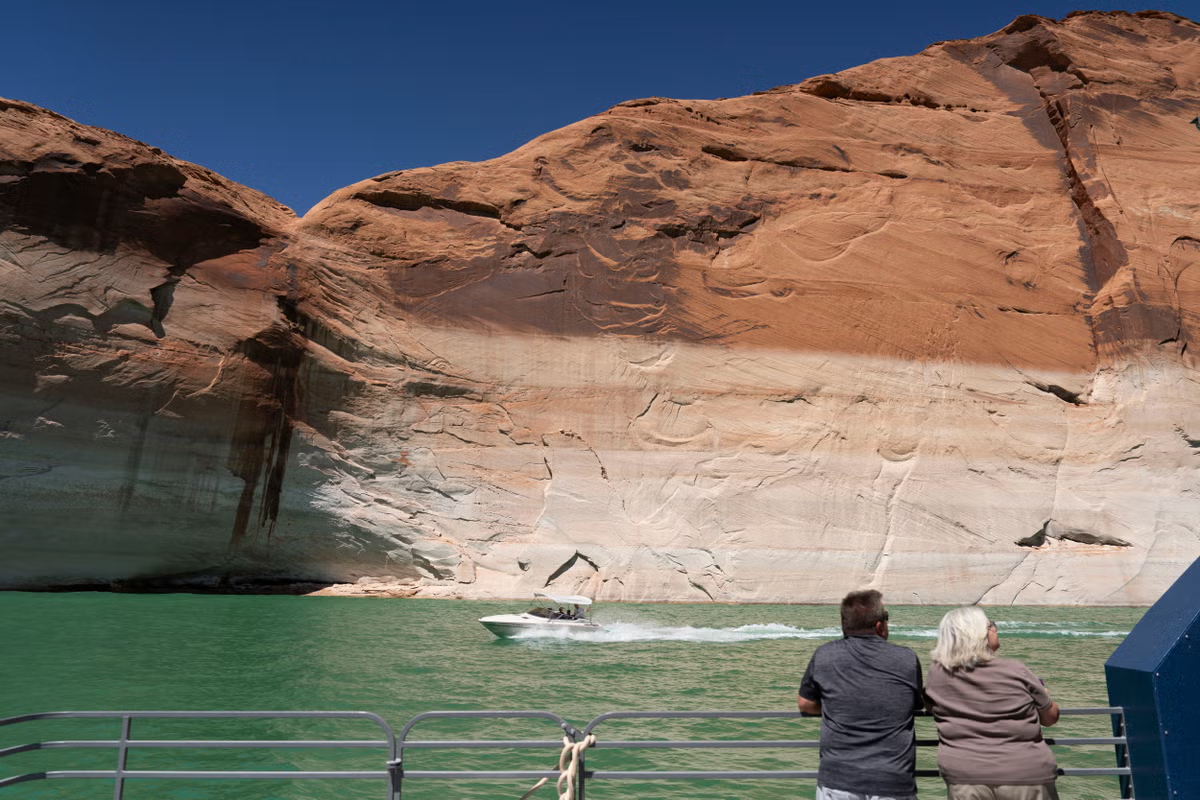
Water levels at Colorado’s Lake Powell could decline to the point where its dam can no longer generate electricity, imperiling the power supply for millions of people across the American West.
A new federal analysis from the Bureau of Reclamation projects that the elevation in the man-made reservoir could drop to 3,491 feet by March 2027.
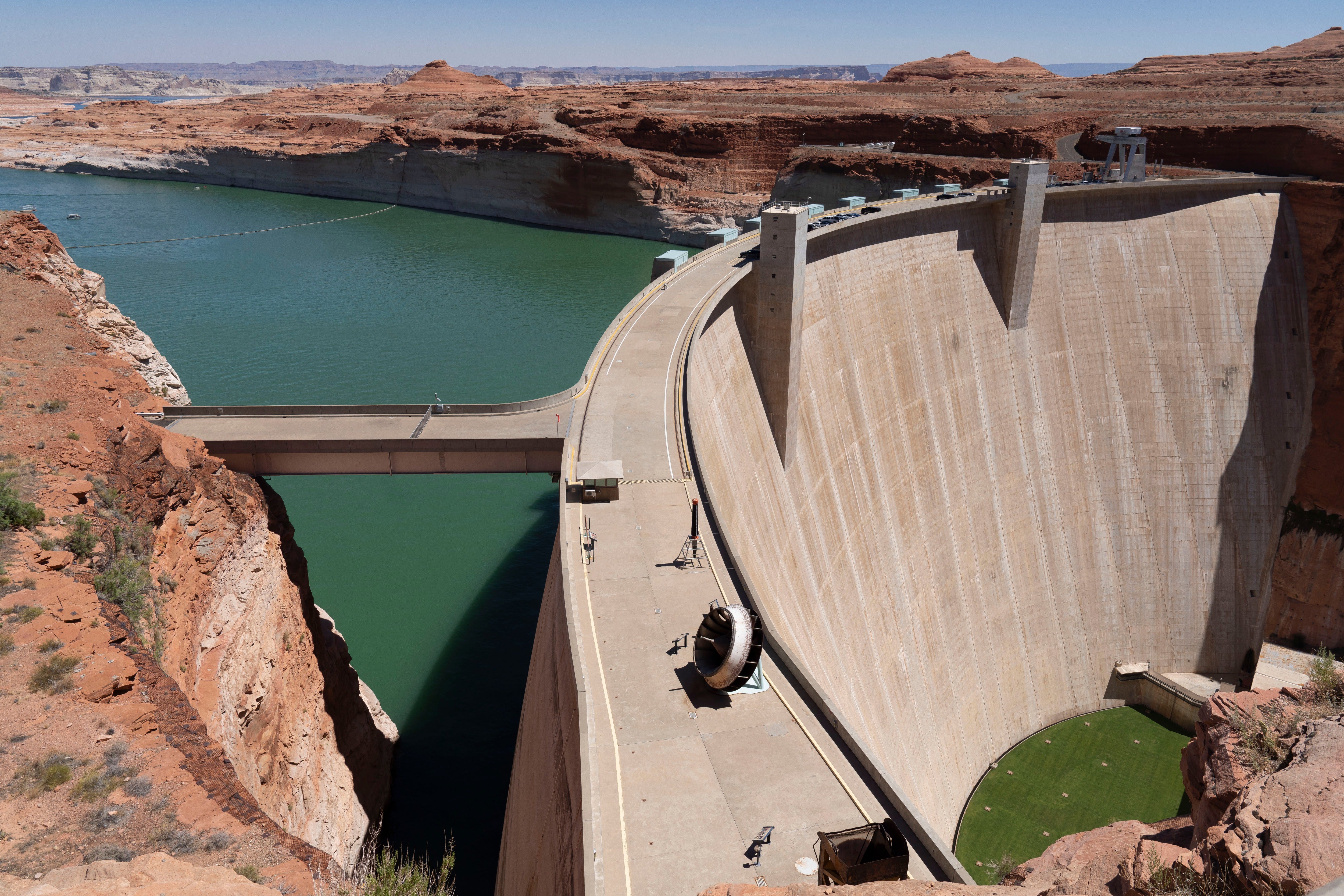
That’s just one foot above the threshold known as “minimum power pool level,” at which point water can no longer pass through the Glen Canyon Dam’s turbines, effectively halting hydropower production.
The findings place one of the nation’s most critical pieces of energy infrastructure on a knife’s edge. Lake Powell, which snakes for 186 miles through Utah and Arizona, is the second-largest reservoir in the U.S. Its dam supplies electricity to roughly six million homes and businesses across Wyoming, Utah, Colorado, New Mexico, Arizona, Nevada and Nebraska.
Lake Powell has been slowly drying up for decades. Last month, the reservoir’s summer water levels reached their lowest point in recorded history.
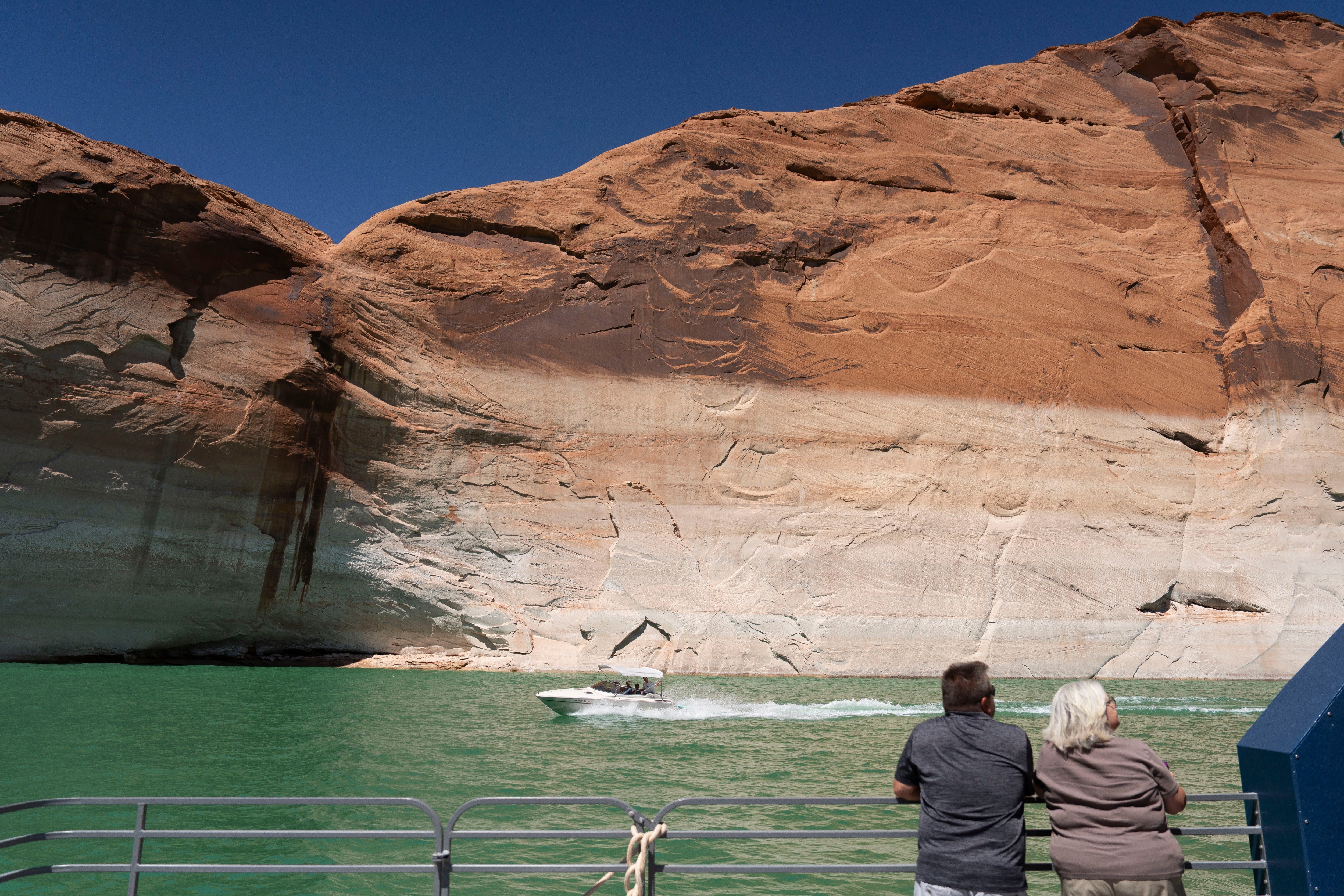
The declining water levels are attributed to long-term drought in the region, which has reduced the Colorado River system’s storage to roughly 36 percent of its capacity, according to the bureau, which is part of the Interior Department.
“The combination of the lowest snowpack on record and record-breaking March heat has further intensified drought conditions across the Basin,” the bureau said in an April statement.
The situation has grown urgent enough that federal officials are openly discussing emergency measures.
“Reclamation will consider all tools that are available during the interim period to avoid Lake Powell elevation declining below 3,500 feet,” the agency said. As of Thursday, the water height in the reservoir was 3,524 feet.
In an effort to stabilize water levels, federal officials have begun bolstering Lake Powell by moving water from the nearby Flaming Gorge Reservoir and scaling back releases downstream.
The mounting crisis has also prompted high-level talks: In April, Interior Secretary Doug Burgum met with governors from seven Western states to coordinate a response.
“I am grateful for the Governors and their teams working diligently to find a solution to the complex challenges created by these unprecedented drought conditions which require immediate action,” Burgum said at the time.
Sarah Porter, the director of the Kyl Center for Water Policy at Arizona State University, told The Washington Post that the bureau’s forecasts are frequently too optimistic, meaning the minimum power pool level could be reached sooner than March.
“The system is perilously close to very bad outcomes,” Brad Udall, a researcher at Colorado State University’s Colorado Water Center, told the outlet.
About the Author