Want to bookmark your favourite articles and stories to read or reference later? Start your Independent Membership today.
Already a member?
Log in
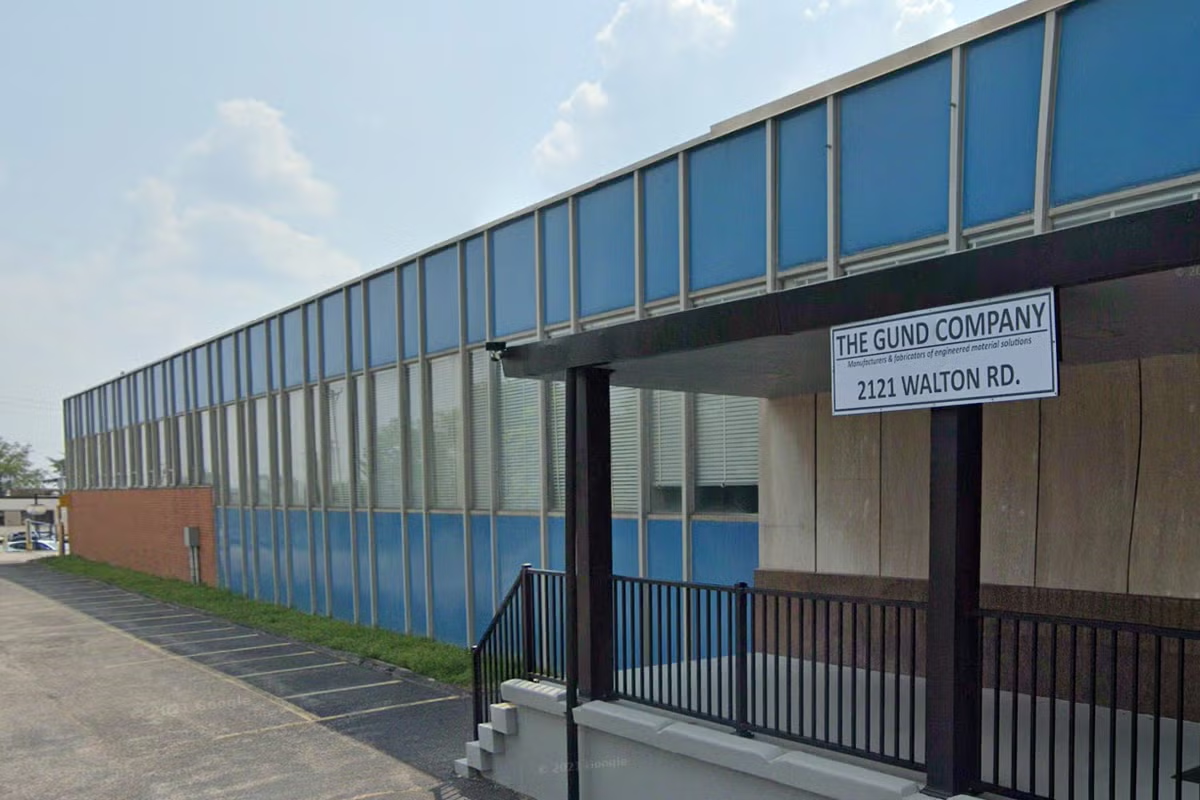
A family-owned manufacturer in Missouri has expanded for 75 years without a single layoff — and executives from across the country are visiting its plants to see how it’s done.
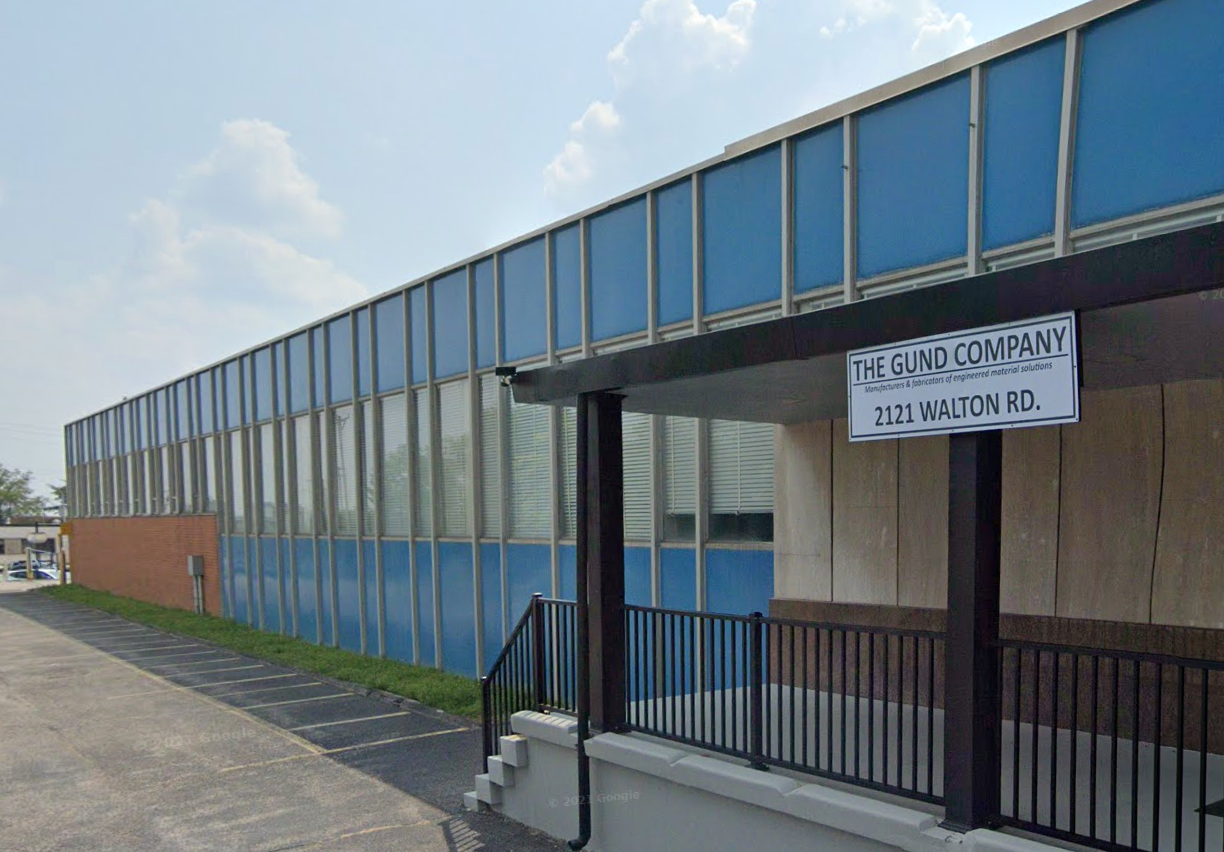
The company, St. Louis–based The Gund Co., produces composite materials used throughout the electrical grid and has grown to nearly $400 million in annual sales with 1,300 employees. Its leaders attribute that growth to a management model that prioritizes worker well-being over short-term profits, according to The Wall Street Journal.
Steve Gund, the company’s 55-year-old third-generation chief executive, oversees the operation with his older brother Rich, who serves as chairman and chief operating officer. The firm has averaged 18 percent annual growth for a decade, serving major clients such as General Electric and Rockwell Automation.
“It sounds touchy-feely, but it’s profitable,” Steve Gund told the outlet.
Instead of laying off workers during downturns, the company keeps its workforce small year-round. Under its 12-step management plan, the company posts its financial results on plant walls, maps out individual career goals for workers and keeps supervisors walking the factory floor. Workers submit operational concerns using physical red cards on the factory floor, which remain displayed until management resolves the issue.
“If you listen, people will give you feedback, and if you take action on the feedback, things will improve,” Steve Gund said to the publication, noting that profit margins have doubled over the last 10 years.
To reinforce worker retention, the business provides clear wage progression, with entry-level factory roles starting between $55,000 and $65,000 on average before overtime or profit-sharing. Earlier this year, the company spent tens of millions of dollars to buy back its existing employee stock ownership plan to relaunch an expanded program for workers across all international locations, including China.
The business was founded in 1951 by former candy salesman Ed Gund. When Steve and Rich Gund joined full-time in the early 1990s, the company generated $2.7 million in annual sales with 20 employees, nine of whom were family members.
Their father, Paul Gund, then running the firm, established the strict anti-layoff stance, viewing workforce cuts as a failure of executive management. The company later introduced an employee stock ownership plan in 2009, which grew to grant U.S. staff a 30 percent stake by last year.
Steve Gund said the current management strategy took shape in 2015 following conversations with Bob Chapman, chief executive of Barry-Wehmiller. At the time, the board had challenged the brothers to return to a 15 percent annual growth rate.
“You’re trying to alleviate homelessness by going and working in a soup kitchen or handing out blankets,” Chapman told Steve Gund during their discussions, according to the Journal. “Why don’t you employ people?”
The emphasis on internal advancement allowed workers like Deidra Jonas, 33, to progress from an entry-level cleaning role 16 years ago through machine operations, reception and customer service to an international role leading employee listening sessions.

“My dreams and my aspirations are what no one in my family has ever even thought was on the road map,” Jonas told the outlet.
Leaders from more than 200 companies have toured the facilities to see if the approach could work for their own businesses. Don Taylor, chief executive of Ohio-based Welty Enterprises, visited a Gund facility in Wisconsin with his son Michael to review the practices.
“Hopefully we can mimic some of that,” Don Taylor said.
Other firms have already begun using parts of the model. Cambridge Air Solutions, an industrial HVAC manufacturer, introduced unified safety and quality practices after visiting Gund’s St. Louis plant.
Meg Brown, chief operating officer at Cambridge, told the newspaper that Gund provided training materials to help her firm implement the system.
Despite the executive tours, Steve Gund said few visiting companies ever carry out the full 12-step plan. He pointed out that corporate executives often make the mistake of handing the effort off to HR instead of driving the changes themselves
Although overall company turnover sits below 10 percent, the firm still struggles with higher dropouts among new hires and troubles filling overtime shifts during periods of rapid growth.
“One of my life’s callings is to make sure that we get this message out: Business is not just about driving profitability for the shareholders, it is absolutely about taking care of people,” Steve Gund told visiting executives, according to the Journal.
“We’re in the bowels of industrial manufacturing,” he added. “If we can do this, anybody can do this.”
About the Author