The performing arts industry in the UK is “inhospitable to parents” and falling far behind other industries in supporting women who have children, according to research.
The report, titled “the Motherhood penalty”, criticises the industry for failing to consider how it might adapt to better accommodate parents, with the result that many, in particular women, drop out.
Its author, Jennifer Tuckett, a playwright, said: “Caring responsibilities were one of the major issues affecting women’s careers in the arts.
“We were shocked to find problems like schedules being sent out the night before and the impact this has on parents, and we would urge both arts organisations and policymakers to look at new models which support both women and men to achieve success in the workplace and at home.”
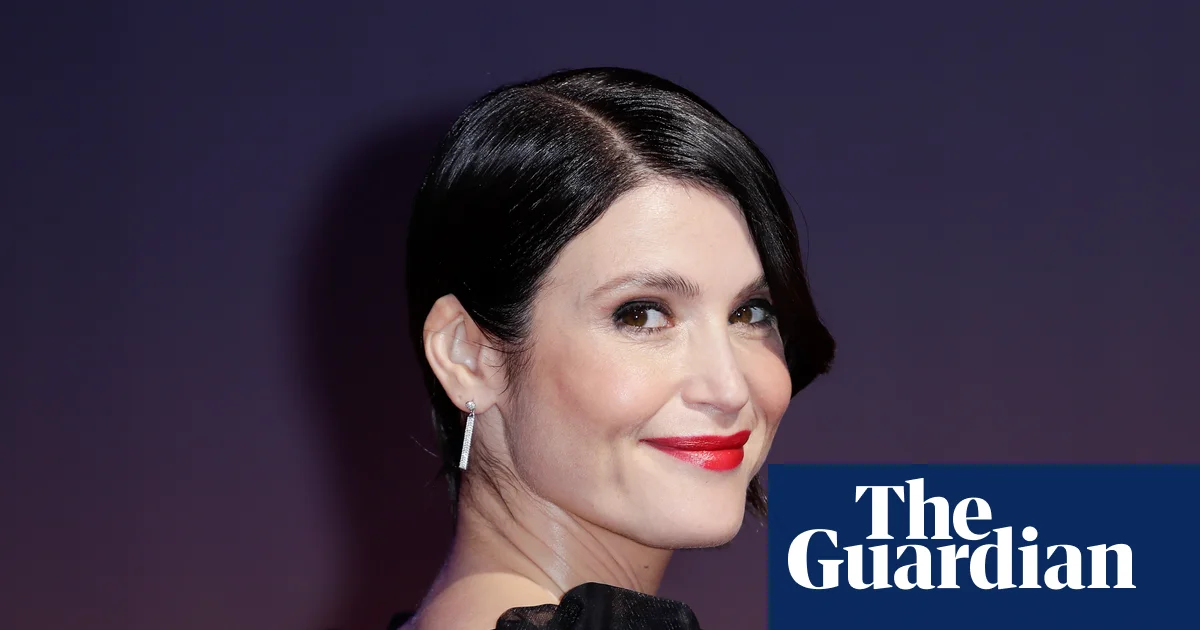
The actor Gemma Arterton, who was involved in the research, said “long working hours, a lack of flexibility and the need to travel without there being support in place” were all familiar issues for women and mothers in the industry.
Potential solutions included initial meetings to discuss needs, schedules being sent out earlier, greater flexibility, and targeted projects to help parents return to the workplace, Tuckett added.
The report, which is the outcome of a Women in Theatre research project supported by Equity and the Writers’ Guild of Great Britain among others, drew on focus groups and questionnaires of 10 senior industry professionals, all of whom felt there was a need for the arts to improve how they support mothers and parents.
It was intended to identify the problems and form the basis for further research under the umbrella of two new organisations, Women in Arts and Women in Theatre, which will also run mentoring programmes and networking events.
An Arts Council England spokesperson said it had been building on the work through the establishment last July of a task and finish group to address the needs of women across the cultural sector, including glass ceilings, harassment and caring responsibilities.
She said: “We want to champion good practice and identify tools and interventions that support women at work.”
The women involved in the research highlighted a culture of “long and late working hours” and working in the night-time economy as a barrier, and felt there was a shortage of female creative directors and editors. Some believed they had been offered less work by contacts, while others said their careers had suffered because they no longer had the time and energy for schmoozing and self-promotion.
One woman said she had found it “harder and harder to get in the room” for castings after having a child, with the result that her CV “has gaps that make me undesirable and now I’ve dropped of those lists”, because “the industry works off the last job you did”.
Another woman said the arts were “way behind other industries” and “trapped in systems of doing things that haven’t been considered, and are done that way because that’s just how it has always been”, including schedules only being sent out at the last minute and no budget for job shares despite these being commonplace for child actors on stage.
One participant said that on a West End show she worked on there was no flexibility to change rehearsal start times from 10am to 10.30 to enable parents who lived further away to drop off their children at school.
Another said: “Tours are out for most mums and a lot of women can’t sign up to eight shows a week.” There is often an expectation that “everything will be dropped to accommodate an emergency”, she added.
Arterton, who has starred in Quantum of Solace and St Trinian’s, said: “Motherhood has deepened my instincts and strengthened me as an artist. It sharpens your intuition, expands your emotional range, and gives you a profound understanding of care, collaboration, and resilience. Creative projects are richer, more thoughtful, and more impactful when mothers are part of shaping them.
“I’ve witnessed many incredible women fight to combine motherhood and working in the arts in terms of issues like long working hours, a lack of flexibility and the need to travel without there being support in place for them.
“If we want women and mothers to sustain long, thriving careers in the creative industries, we need informed action, structural support, and accountability.”
About the Author