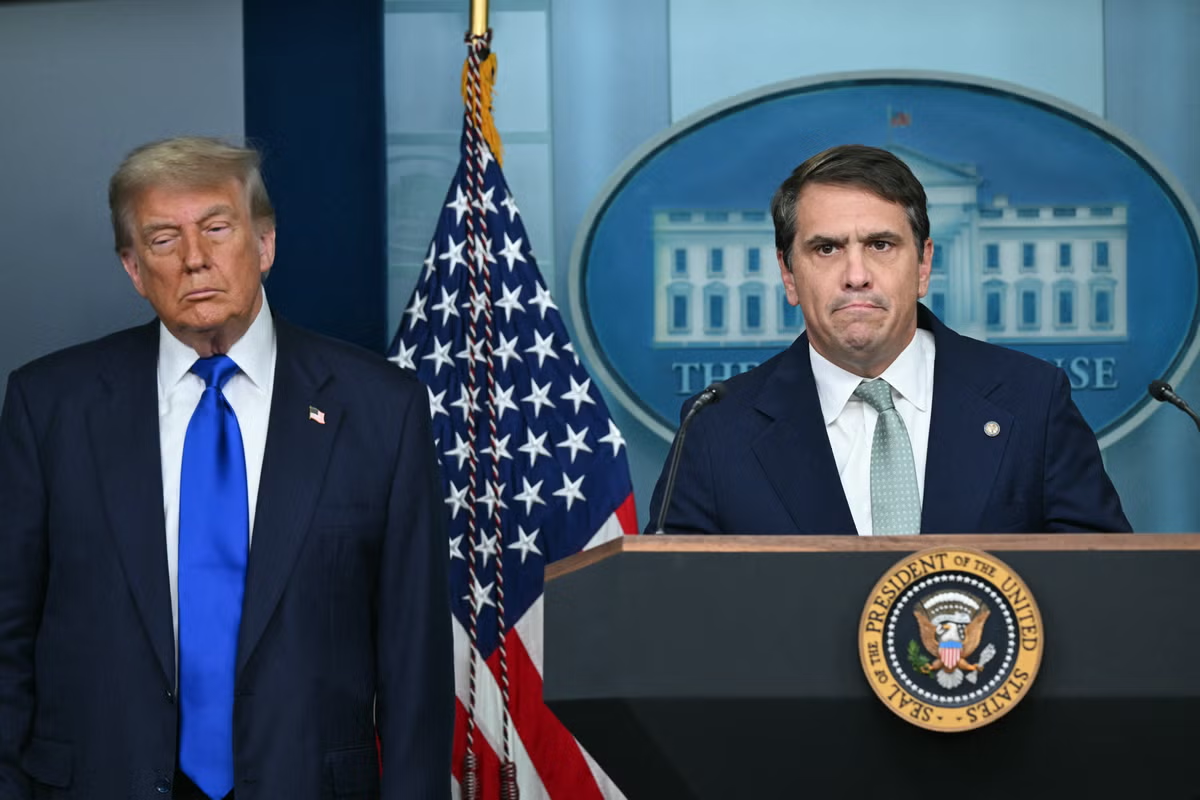
A weeks-long charade over Todd Blanche’s political future is over, for now. It ended as it began, with President Donald Trump, his family and their businesses receiving sweeping immunity from tax audits.
As a condition for their support for the president’s former criminal defense attorney as U.S. Attorney General, a pair of Republican senators wanted assurance that a nearly $1.8 billion “Anti-Weaponization Fund” to reward the president’s political allies was “permanently” terminated. They also wanted clarification around the IRS deal, which “forever” bars the government from any “examinations or similar or related reviews” into the Trump family’s taxes.
Blanche conceded on Sunday night the so-called slush fund is “rescinded and shall have no force or effect.” But he reiterated the terms of the tax shield, which he says isn’t going anywhere, and he “stands by” testimony in which he said that “nothing has changed” about the plan. That was enough for Senators Thom Tillis and John Cornyn, who say they’re “pleased” with Blanche’s note and will vote to confirm him.
The administration never needed a slush fund to settle claims from January 6 rioters and other Trump allies. They can file, and already have filed, claims against the government that Trump’s Justice Department would be more than happy to settle using a virtually unlimited pot of taxpayer cash.
Instead, the slush fund ran a convenient cover to protect Trump’s immunity deal. He will publicly mourn its end and claim how unfairly rioters who tried to overturn his election loss were treated by federal prosecutors, drumming up support from a base that was promised “retribution” while leaving them behind in his desperate quest for self-preservation.
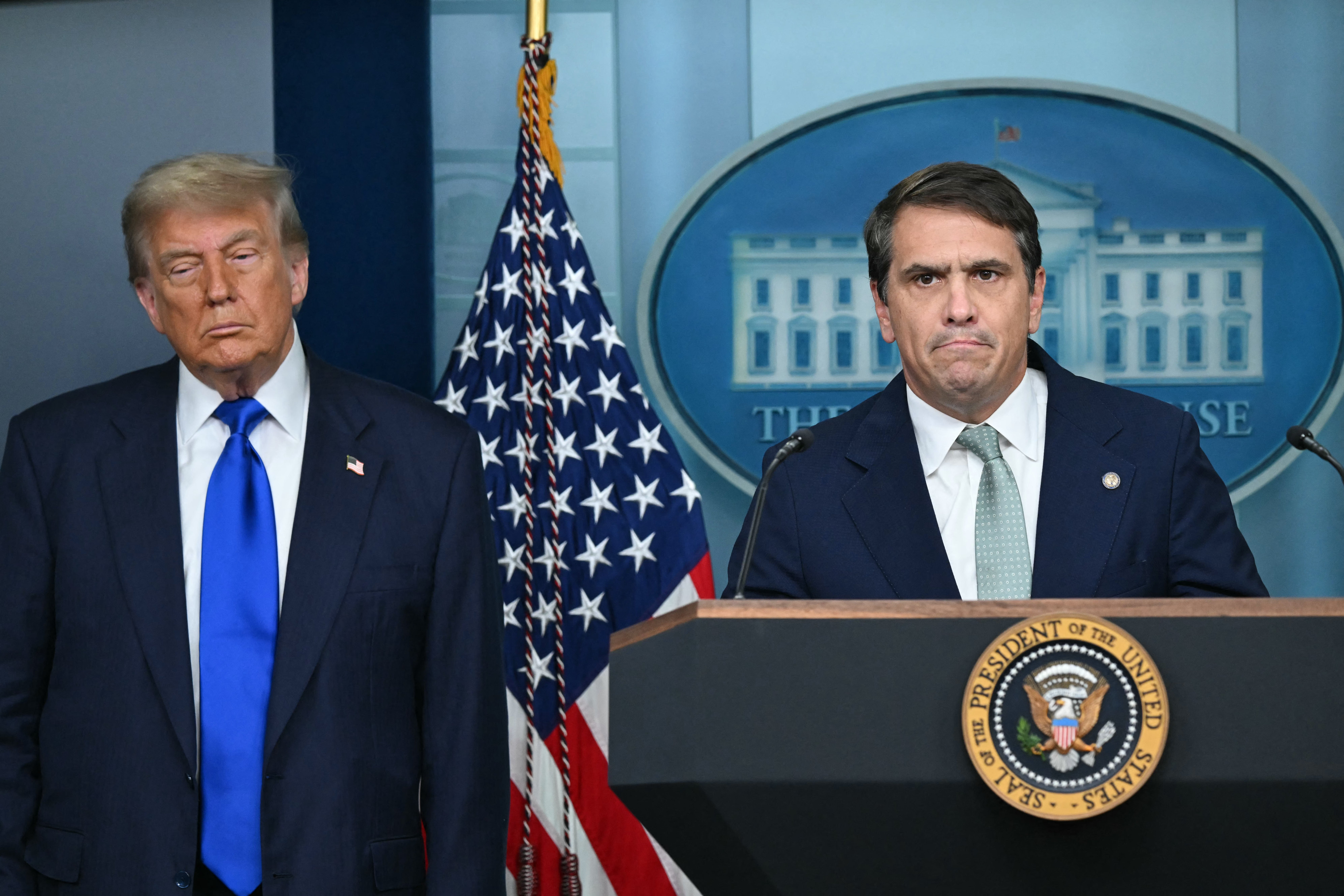
Meanwhile, Cornyn and Tillis will pat themselves on the back for what they seem to believe is an important check against the president. Instead, they’ve just enshrined Trump’s corruption.
A slush fund for the president’s allies was dead on arrival and blocked in courts. Nothing is stopping the Trump administration from signing multi-million dollar checks to aggrieved “victims” of government “weaponization” through existing channels, and Blanche and Trump could easily revive plans for the fund at some other point.
For now — at least on paper, under the fraudulent guise of compromise to ensure Blanche’s confirmation — the “slush fund” is dead. Trump’s unprecedented shield from tax investigations, on the other hand, is very much alive.
Remember how we got here: The president sued his own administration for $10 billion in January, pitting his personal lawyers against his own Department of Justice, over allegations that the IRS improperly released his tax documents, leading to revealing reporting in The New York Times that found he paid only $750 in federal income taxes in 2016 and 2017.
The federal judge overseeing the lawsuit appointed a team of outside lawyers to help her untangle the unusual nature of a president suing himself. In their brief to the court on May 14, those outside lawyers stopped short of recommending the lawsuit be dismissed but noted the “significant” and “unprecedented” issues at stake and suggested the court should hear more from the parties involved.
“A sitting president seeks monetary damages for alleged harm to his personal interests from an executive agency that he controls,” they wrote.
Trump and the IRS never filed a response, and on May 18, the Justice Department published a press release announcing the “Anti-Weaponization Fund,” which promised massive taxpayer-funded payouts to alleged “victims” of government “weaponization,” including January 6 rioters and close allies of the president.
One day later, in a memo that Blanche later called an “attorney general order,” the Justice Department granted the president immunity from tax investigations.
That immunity, which applies only to existing audits and not future investigations, shields the president from potentially damaging rulings that could have cost him more than $100 million.
A different judge ultimately blocked the slush fund after Blanche testified to members of Congress that the administration was “not moving forward” with the plans, and the judge overseeing the IRS lawsuit sanctioned the president’s legal team for laundering the “settlement” scheme through her courtroom.
To be clear, Blanche’s appointment to attorney general was never in doubt. Trump threatened to pull his name from consideration after Republican senators drew their weak line in the sand, but Trump could keep him in his “acting” role indefinitely.
Cornyn and Tillis didn’t ask for the Justice Department to rip up the IRS deal. They wanted firm language that would let Trump keep it, or risk a drawn-out confirmation process through a politically volatile period for congressional Republicans despite a result for Blanche that was always inevitable.
Enter the president’s corrupt bargain: The administration will permanently abandon plans for a slush fund the government never needed to settle claims brought by his allies, and the IRS deal will remain in place.
In a letter dated August 2 on the Office of the Attorney General letterhead, Blanche said the “Anti-Weaponization Fund” is “rescinded and shall have no force or effect.”
A second undated and unsigned notice notes that Blanche’s IRS immunity deal applies “only retroactively” and affects only the “named parties in the lawsuit” referenced in the order.
“From the outset, we were clear that we needed a written document addressing our concerns on the IRS audit agreement and the anti-weaponization fund that included constraining the scope of audit protection by limiting it to the parties of the Settlement Agreement and legally ending the anti- weaponization fund,” Cornyn and Tillis said in a joint statement Monday.
The senators were “pleased” by Blanche’s statements and expressed “gratitude” for putting them forward.
January 6 rioters looking for payouts from the government, despite mass pardons getting them off the hook for assaulting law enforcement and storming the halls of Congress, won’t get a dime from the nonexistent $1.8 billion fund.
Lawyers representing them are already lining up other lawsuits against the government, but they’ll have to wait. Trump’s protections, after all, come first.
About the Author