A federal judge has blocked Donald Trump’s administration from enforcing an executive order targeting birthright citizenship after the president lost a landmark Supreme Court case challenging his attempt to unilaterally redefine who gets to be a citizen.
Trump signed executive orders last month taking aim at children who were born to employees of foreign governments as well as the children of mothers who are accused of lying about their intentions for visiting the country while pregnant. The orders also would block citizenship to children whose parents are accused of being terrorists, as well as newborns in U.S. territories.
Lawsuits were swiftly filed, including a class-action challenge on behalf of babies who would be deprived citizenship under Trump’s original 2025 order. Lawyers asked a judge to block Trump’s latest orders to ensure their clients would retain their citizenship under new rules targeting parents who entered a “commercial transaction” to gain citizenship or who were labeled “alien enemies.”
Maryland District Judge Deborah Boardman, an appointee of former President Joe Biden, noted that the question before her is not whether Trump’s new “carveouts” to birthright citizenship are constitutional but whether the plaintiffs suing to stop the orders are entitled to protections against it.
“The answer to that question is yes,” she wrote Wednesday. Trump’s latest efforts are “almost certainly unconstitutional” as applied to the Supreme Court’s decision, which has “already decided” that the children at the center of the case are “citizens at birth,” Boardman wrote.
“This Court must, once again, preliminarily enjoin enforcement of the President’s most recent attempt to strip the right to citizenship from them,” she wrote.
The judge also stressed that the language in Trump’s latest order does not indicate whether it applies retroactively.
Trump’s initial order said the measure applied only to children who were born 30 days after it was set to go into effect, on February 19, 2025.
His latest order, however, “says nothing like that,” according to Boardman.
She argued that “the only fair reading of the plain language” of Trump’s newest executive order is that it applies to any babies born after February 19, 2025, putting thousands of babies in legal limbo.
The 14th Amendment’s citizenship clause plainly states that “all persons born or naturalized in the United States, and subject to the jurisdiction thereof, are citizens of the United States and of the state wherein they reside.”
But in an executive order signed on his first day in office, Trump sought to unilaterally redefine that amendment to state that babies born on U.S. soil would be denied citizenship at birth if their mother was “unlawfully present” or had “lawful but temporary” status, and if the father “was not a United States citizen or lawful permanent resident at the time of said person’s birth.”
After a protracted legal battle, a divided ruling from the nation’s high court in June determined that children born in the U.S. to parents “unlawfully or temporarily present” are indeed “subject to the jurisdiction” of the U.S. and thus citizens at birth.
One month after the ruling, Trump unveiled a pair of executive orders seeking to circumvent the Supreme Court decision.
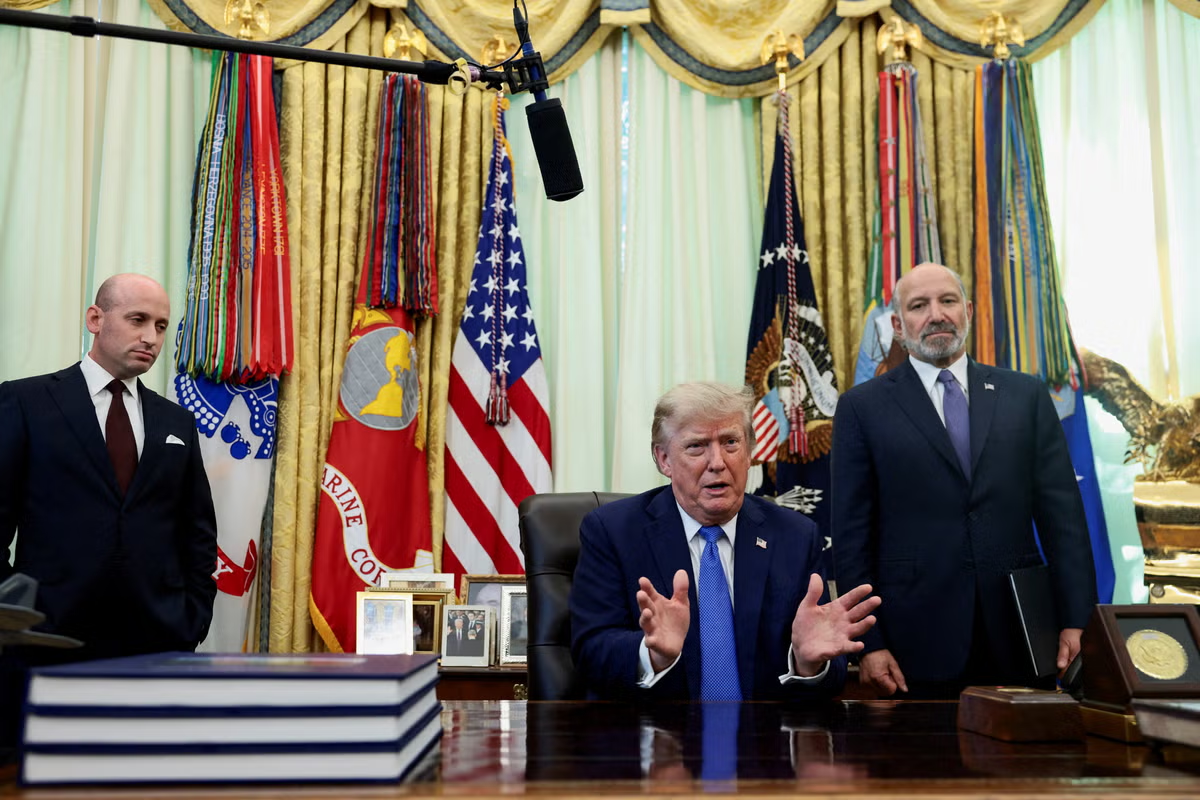
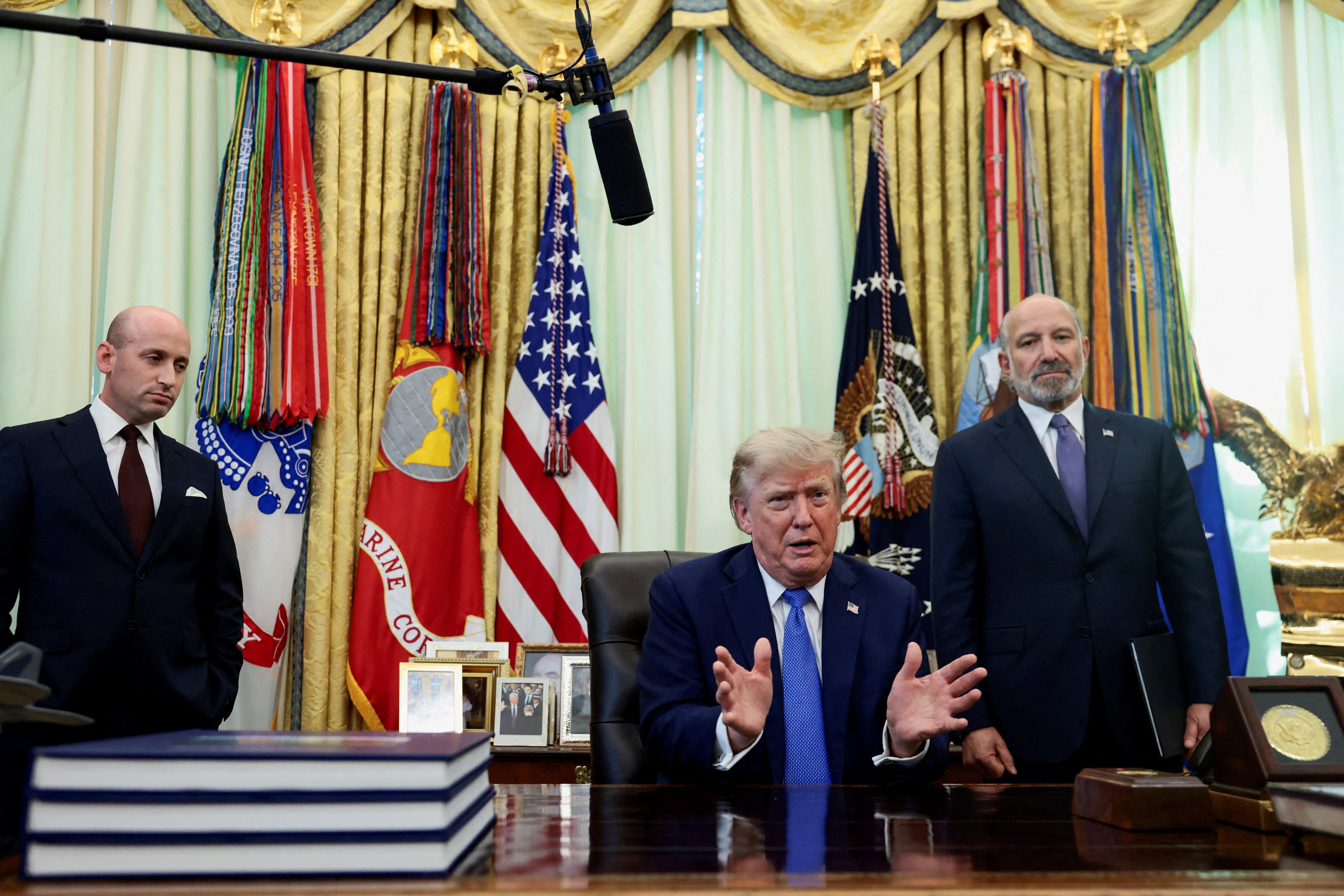
Trump, who was flanked by White House aide Stephen Miller, the architect of the Trump administration’s anti-immigration agenda, continues to argue that the a constitutional right to citizenship was intended only for “the babies of slaves.” According to Miller, the 14th Amendment was drafted only to “ensure that the children of slaves would be citizens.”
A landmark decision in the case of United States v Wong Kim Ark in 1898 held that the 14th Amendment grants citizenship to virtually everyone born in the country. June’s decision, more than 100 years later, affirmed that principle.
Lawyers for the Department of Justice argued that the president’s latest executive actions made allowable exceptions to birthright citizenship that the Supreme Court left open, but Boardman said that their argument relies on a “distorted interpretation” of the ruling.
“The Supreme Court has spoken: Children in the certified class are ‘citizens at birth,’” Judge Boardman wrote Wednesday.
“[The Supreme Court’s decision] is the law of the land,” she said. “The President must follow it.”
About the Author