Want to bookmark your favourite articles and stories to read or reference later? Start your Independent Membership today.
Already a member?
Log in
A former Spanish minister is feared dead after 69 people were killed in Spain’s second deadly high-speed train crash this year.
Fátima Báñez, who served in government between 2011 and 2018, was travelling on one of the trains and is said to have been in one of the worst-affected carriages, according to Spanish reports.
The searched for survivors among the wrecked carriages is ongoing on Thursday, following the crash on Wednesday that also injured more than 100 people.
Sources close to Ms Báñez, the former minister for employment and social security, said she was one of the people who died in the accident near the town of Urda in Toledo, Democrata reported.
The Spanish Confederation of Employers’ Organizations (CEOE), of which she is chairwoman, and her former People’s Party (PP), had previously confirmed she was onboard the train.
She was travelling on the derailed Iryo train before 9am on Wednesday morning, Democrata added.
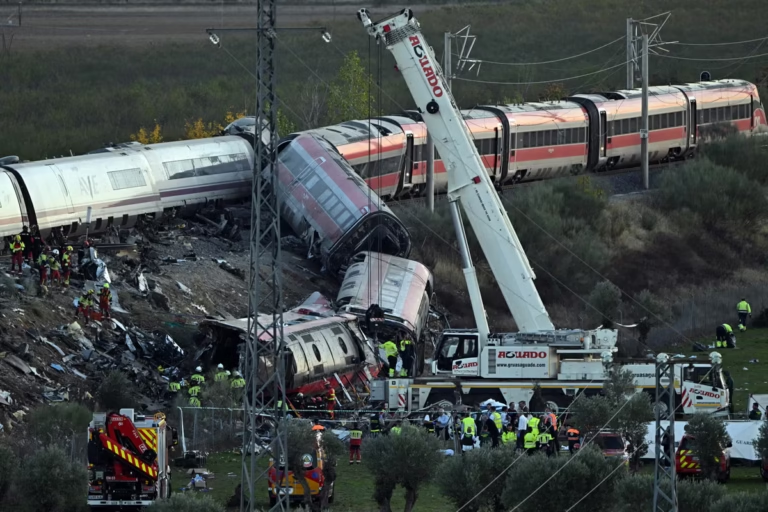
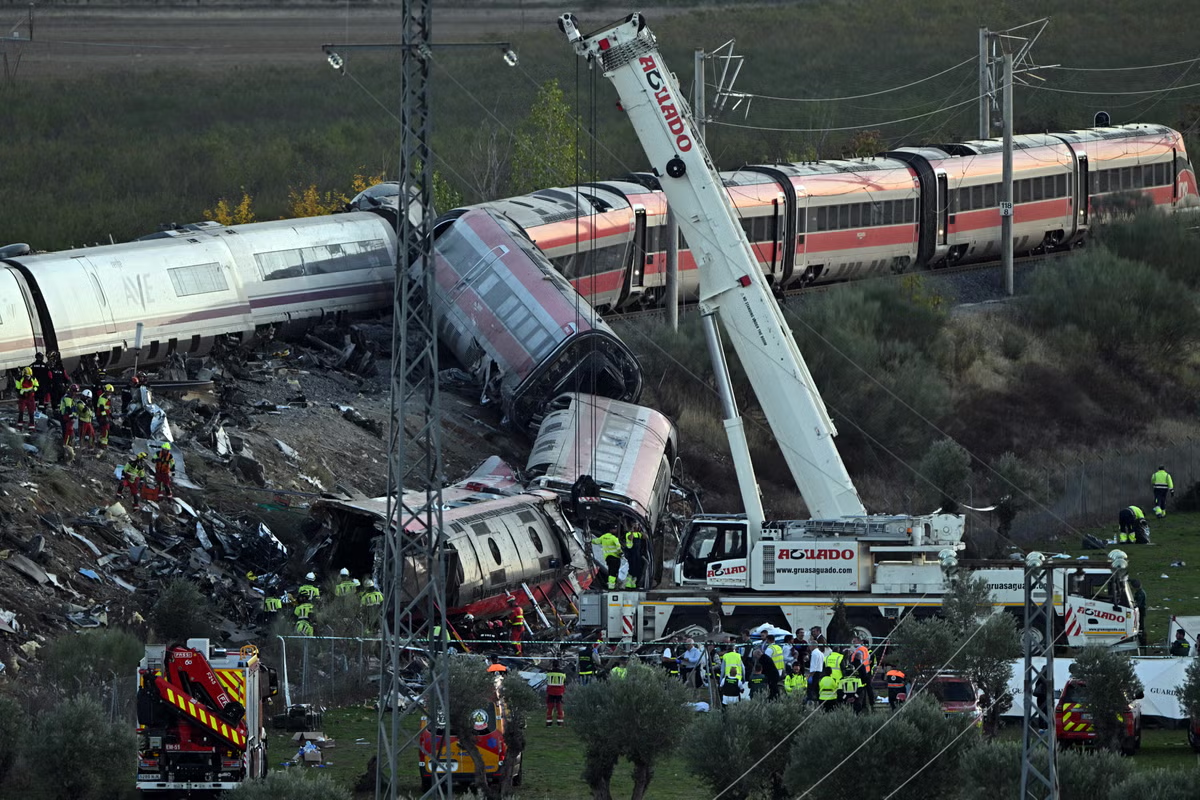
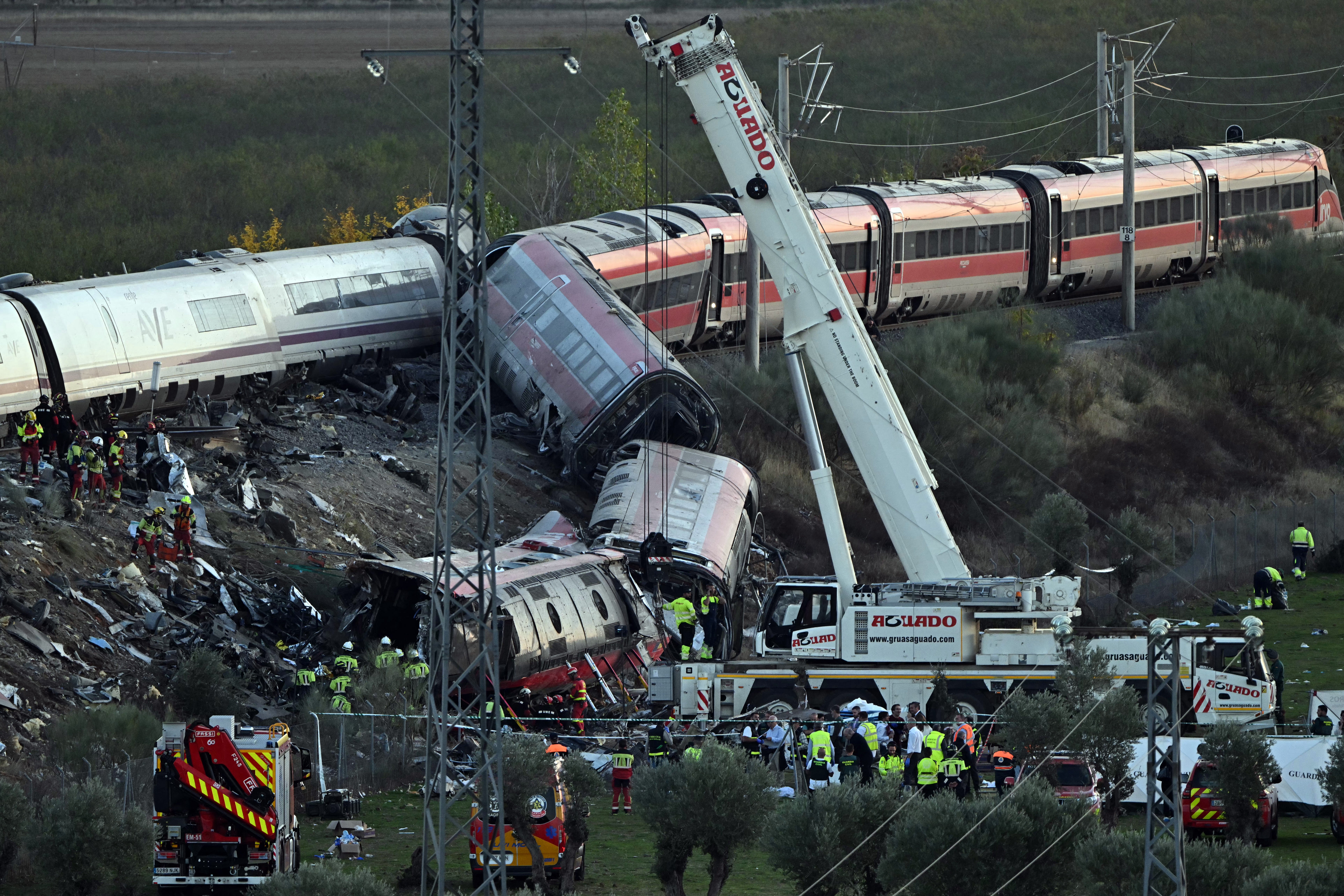
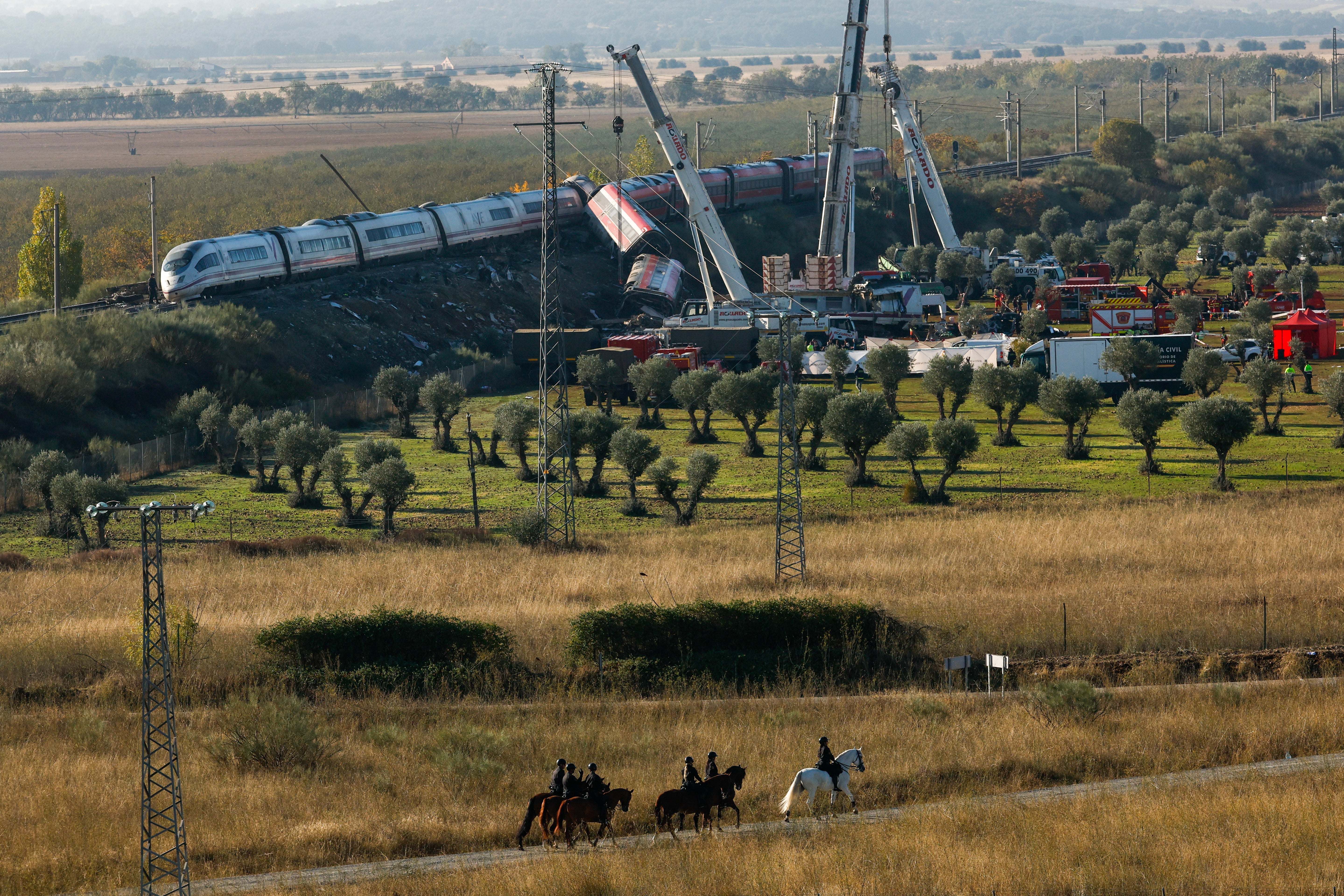
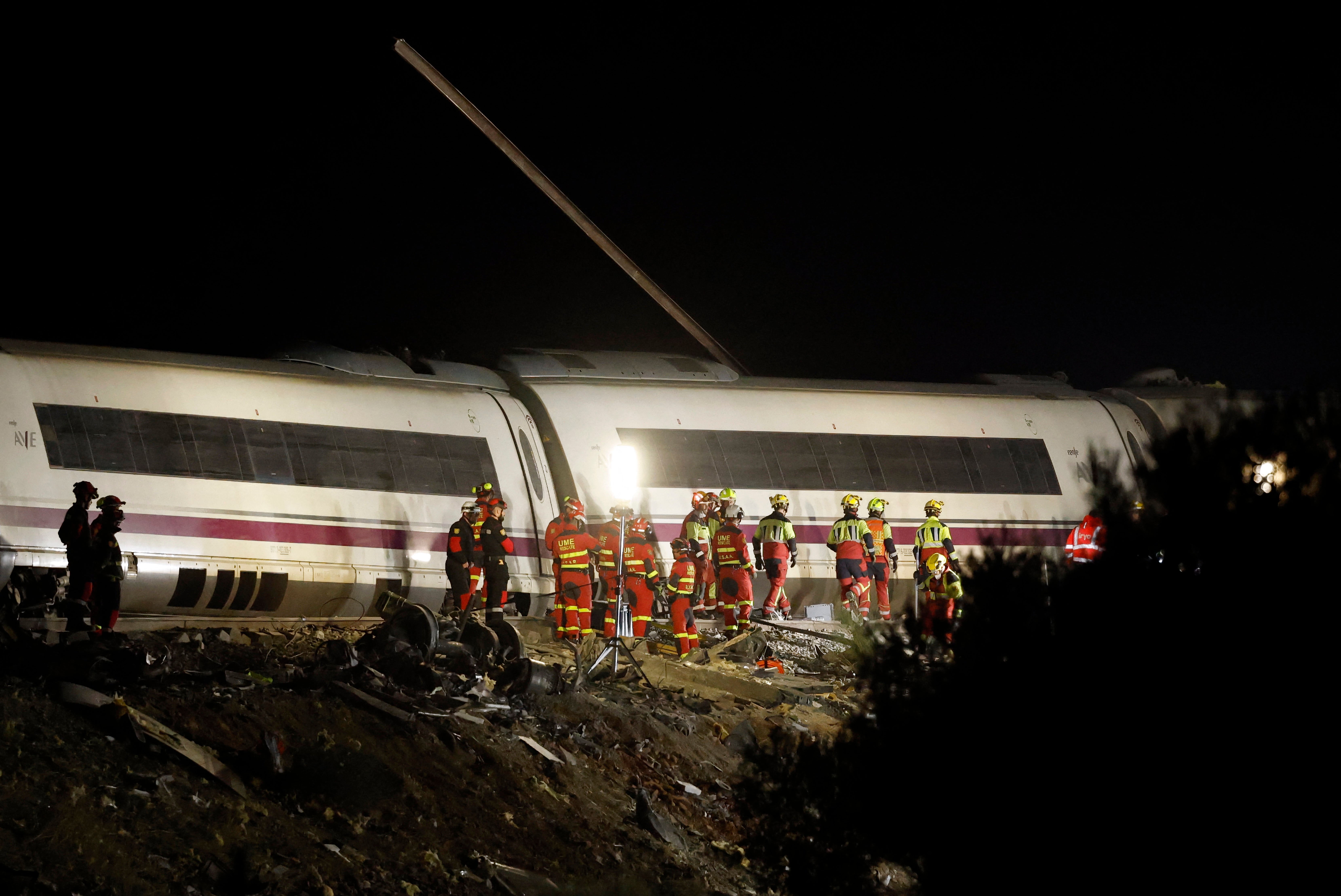
As Spain reeled following its fourth deadly train crash this year, cranes worked through the night to lift the wreckage of the crash in a rural area in the Toledo province. Emergency workers seen carrying what appeared to be a body wrapped in a blanket.
Families are anxiously awaiting news of their loved ones, with Spanish authorities yet to name any of the victims as they work to identify the bodies.
Passengers were travelling between Madrid and the southern Andalusia region when an express train operated by Iryo was struck by a train operated by Renfe in Toledo. The Iryo train had been stationary due to a signal fault, a person briefed on the disaster said.
“Rescue teams are still working very carefully, because we still cannot say with certainty that there are no more victims trapped in the twisted wreckage,” Esther Padilla, a spokeswoman for the regional government of Castilla-La Mancha, told TVE.
“A canine unit was deployed yesterday. They will go back in today to make sure that nobody else remains there,” she added.
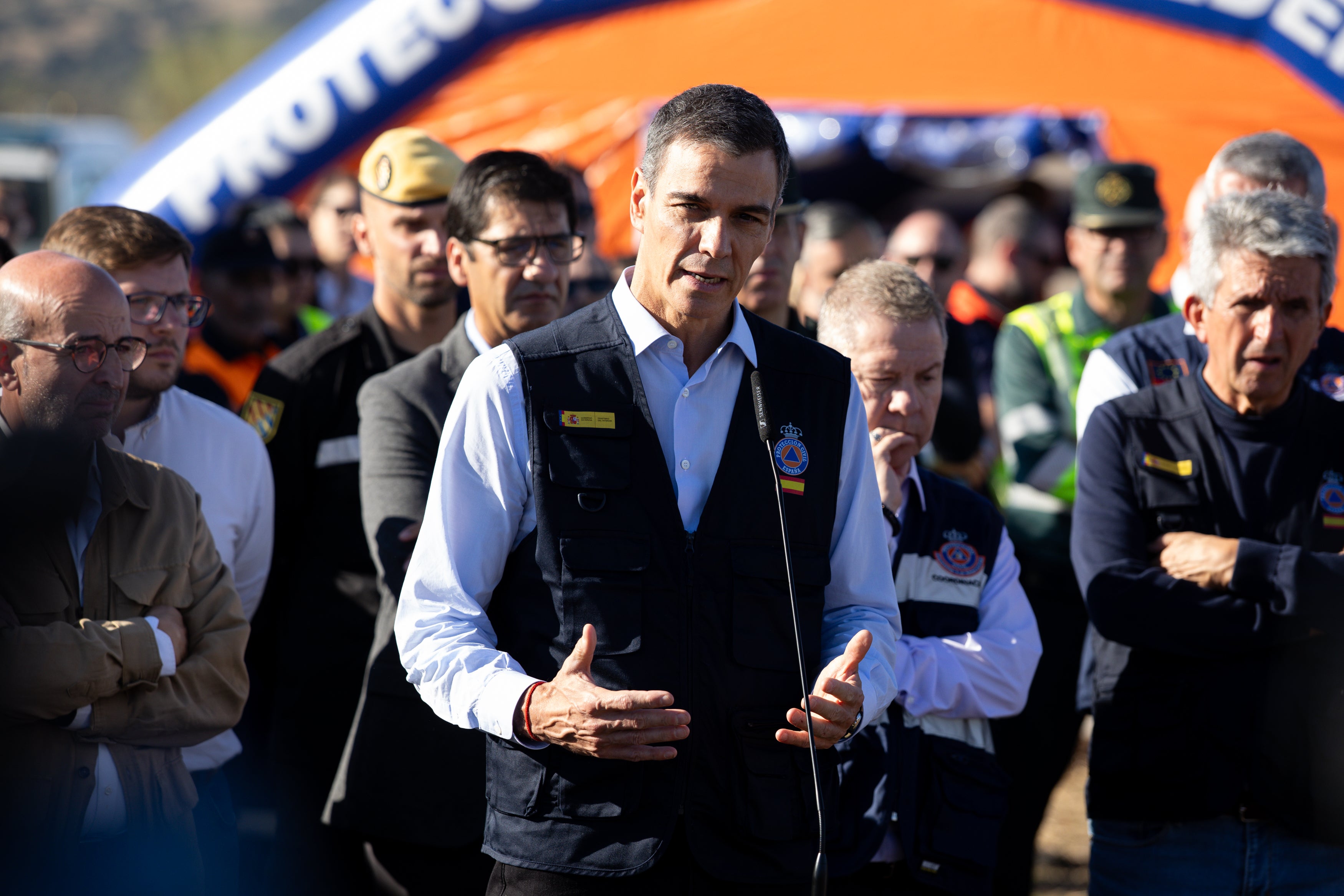
Emiliano Garcia-Page, the region’s leader, said the death toll had risen to 69 people and that human remains had been found during overnight rescue efforts. Work now involved crane operations, particularly on a carriage that was still overturned.
“We do not believe there could be any more fatalities beneath that one, but I say this with caution,” he said.
Police are now questioning staff at a control centre after Spain’s transport minister, Óscar Puente, suggested that the accident may have been caused by human error, as one of the trains had been told to resume its journey.
“It was the control centre, through its operators, that made the decision to resume traffic, under circumstances that, from our point of view, are inexplicable,” he said. “Clearly, it was a wrong decision.”
There were 544 people on board the two services between Madrid and Seville.
The incident is one of Spain’s deadliest rail disasters, and the worst since 78 people were killed when a high-speed train derailed near Santiago de Compostela in 2013.
It is the fourth deadly crash this year, after a derailment and collision killed 46 and injured more than 100 on the line between Malaga and Madrid near Adamuz on 18 January.
Two days later, one person was killed and 41 injured when a commuter train crashed near Barcelona when a retaining wall collapsed onto the tracks.
On 12 February, a passenger train traveling from Madrid to Badajoz struck a car at a railroad crossing near Talavera de la Reina, in Toledo province, killing the driver.
Meanwhile, train drivers in Spain went ahead with a previously planned strike to press for more investment in railway safety a day after Europe’s deadliest train accident since a 2013 derailment in Spain’s Santiago de Compostela.
About the Author