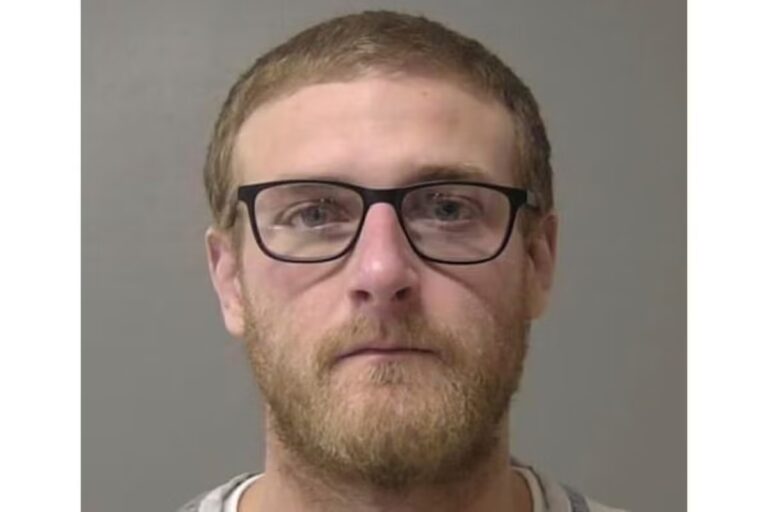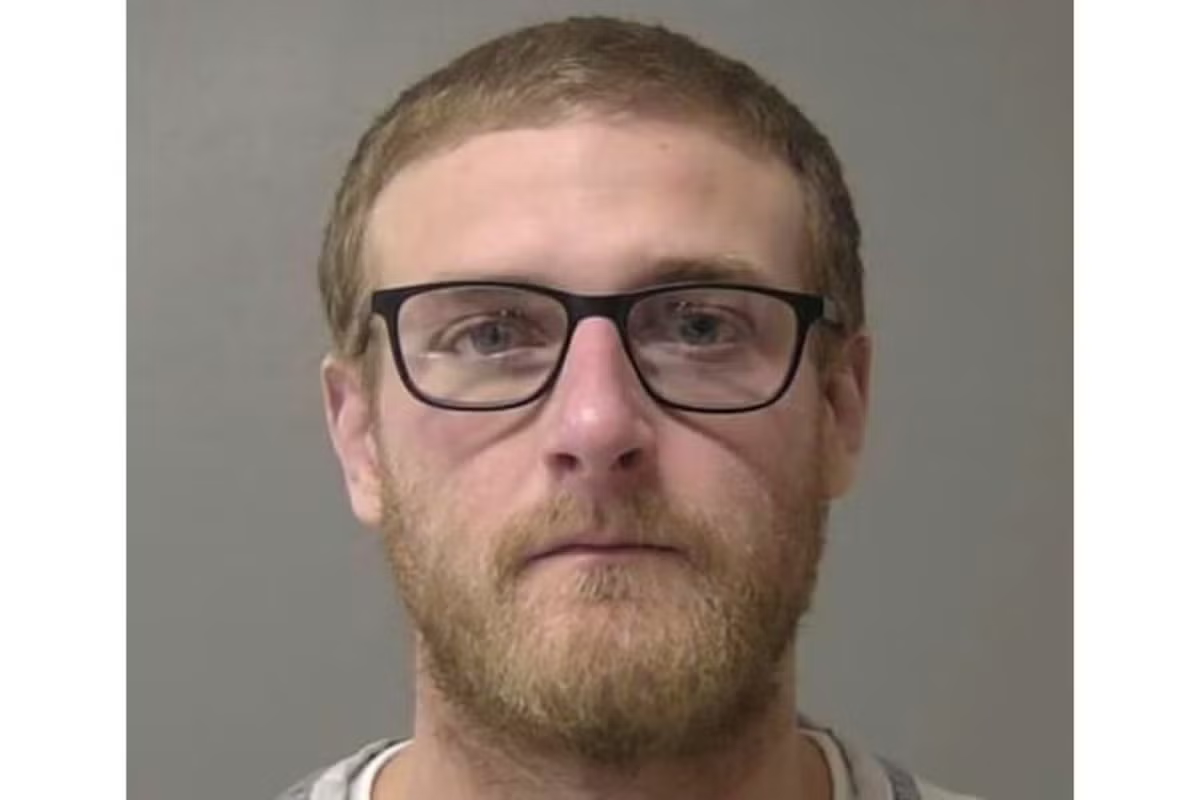
A former Illinois sheriff’s deputy died in prison Sunday while serving time for fatally shooting a woman after she called 911 about a suspected prowler in her home, his lawyer said.
Sean Grayson, 32, had served six months of his 20-year sentence for second-degree murder in the 2024 slaying of 34-year-old Sonya Massey, NBC News reported Sunday evening.
Grayson died around noon, defense lawyer Daniel Fultz told NBC News.
Grayson was diagnosed with Stage 3 colon cancer in 2023, another lawyer said during his January sentencing.
Late last month, TV station WCIA reported that the cancer had progressed to Stage 4 and spread to his liver, lungs and rectum, but the Illinois Prisoner Review Board denied his request for a medical release by a vote of 3-0 days later.
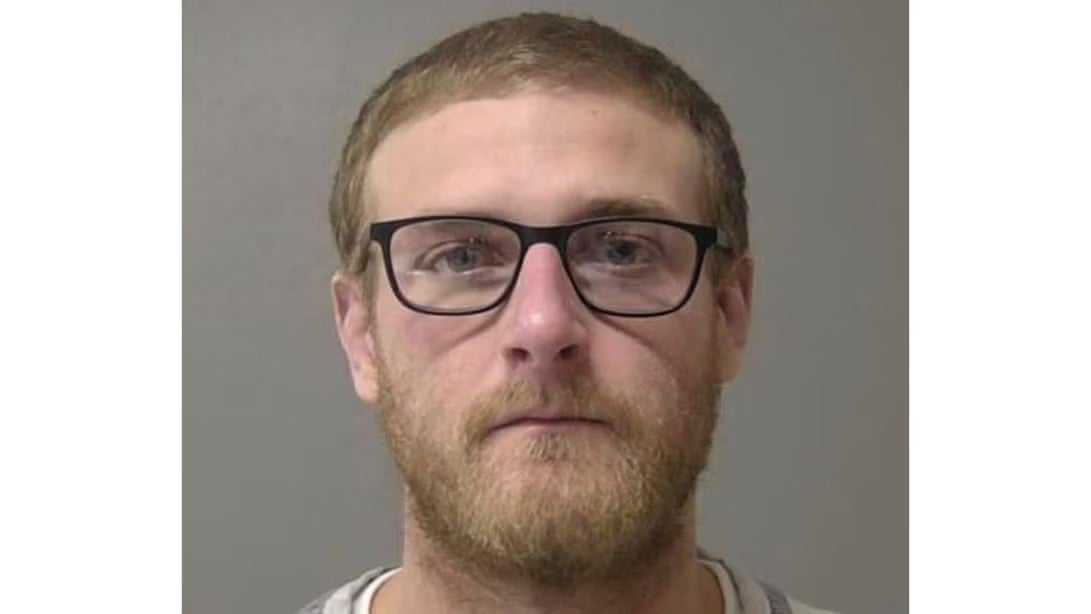
The cause of Grayson’s death wasn’t immediately clear, NBC News said.
A statement released by Massey’s family’s lawyers, Ben Crump and Antonio Romanucci, said, “Sonya Massey’s death was unjustifiable and she should be alive today,” WCIA reported.
“Sean Grayson’s death in custody from cancer does not bring Sonya back. We wish his family prayers of peace, as we do for all who grieve a loved one. Sonya’s family knows that pain all too well and will grieve her loss the rest of their days,” the statement added.
Grayson, who was white, killed Massey, who was Black, after responding to her 911 call, and bodycam video of the July 6, 2024, shooting in Woodside Township, near Springfield, sparked protests in Illinois and elsewhere, including New York City, Chicago and Atlanta.
During his 2025 trial, Grayson testified that Massey picked up a pot of boiling water from her stove and walked toward him before saying, “I rebuke you in the name of Jesus,” causing him to fear she was going to throw it on him.
“I took it as a threat,” he said. “The only thing I had to stop the threat was my duty weapon.”
Grayson acknowledged having a non-lethal Taser device, but said Massey “was wearing lawyers and both prongs have to stick in fr the Taser to work.”
Grayson was charged with first-degree murder, but jurors convicted him of the lesser, second-degree charge, which covers intentional killings in which a mitigating factor is present.
About the Author