Want to bookmark your favourite articles and stories to read or reference later? Start your Independent Membership today.
Already a member?
Log in
Saudi Arabia’s attraction was once obvious: an impregnable haven for investment and tourism, sheltered from the wars and economic struggles that plagued much of the rest of the Middle East.
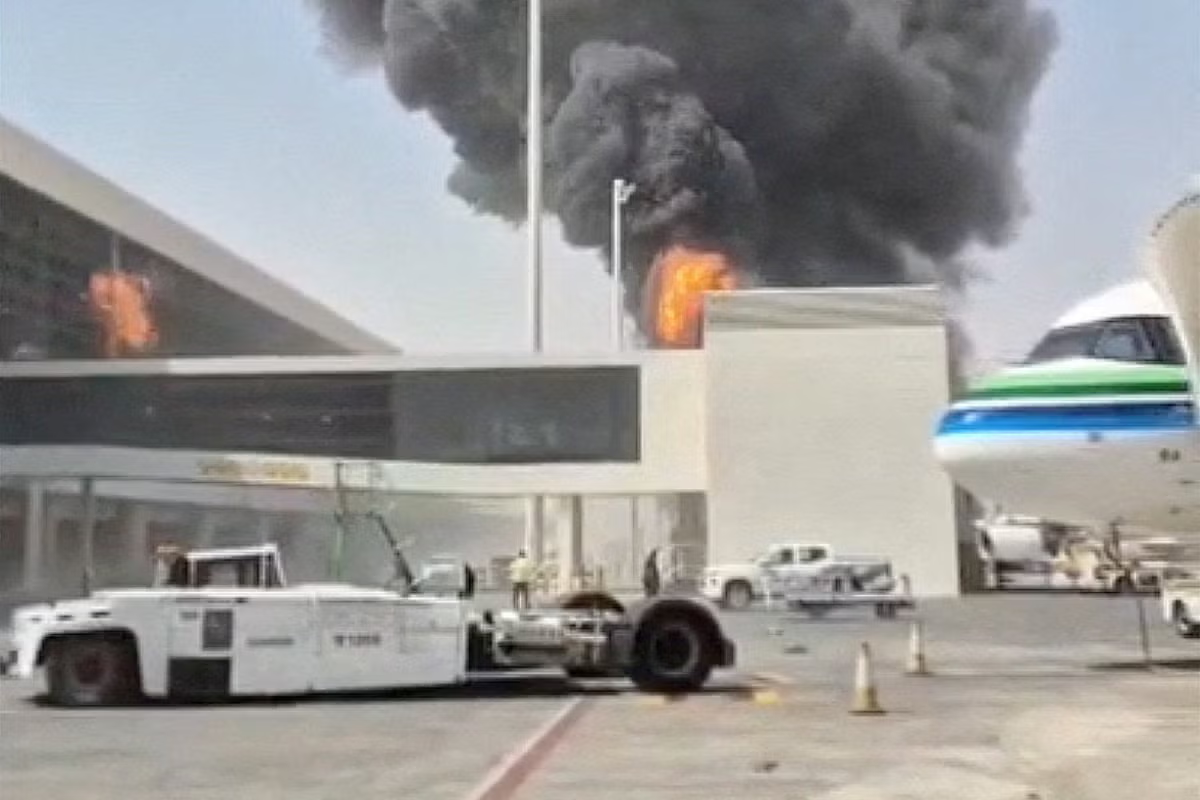
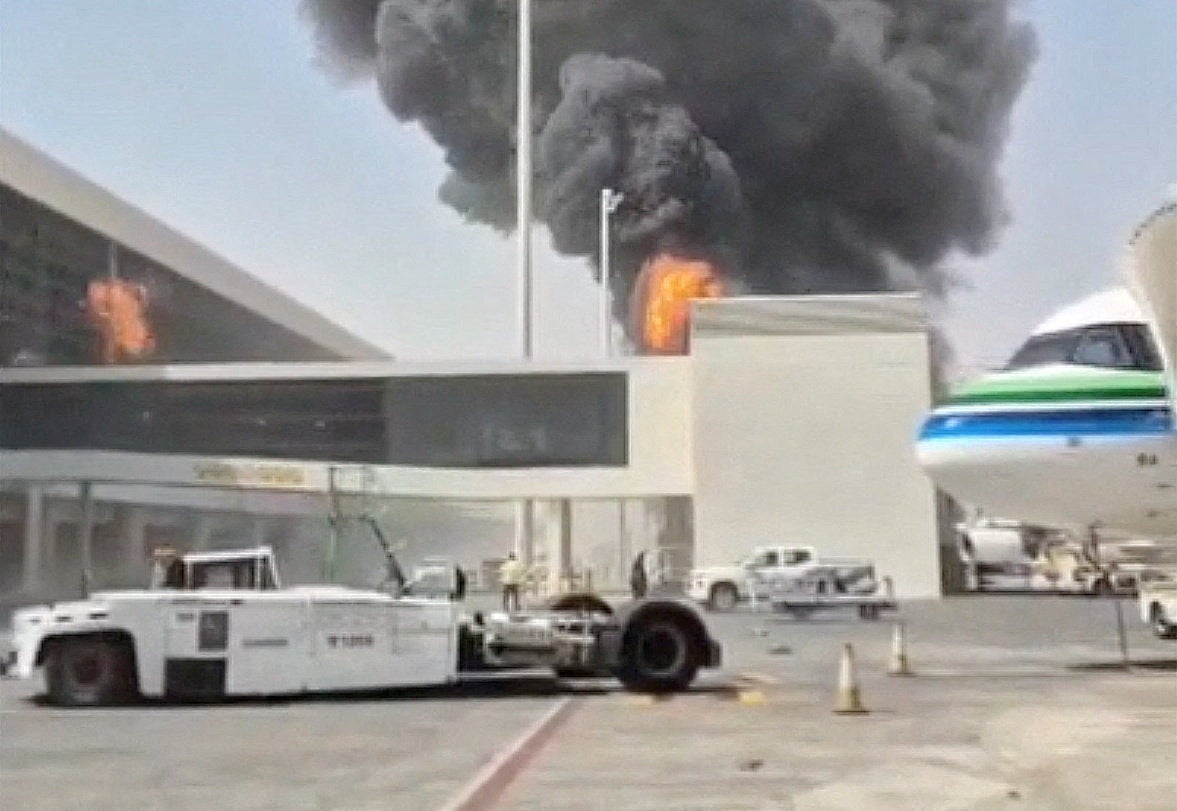
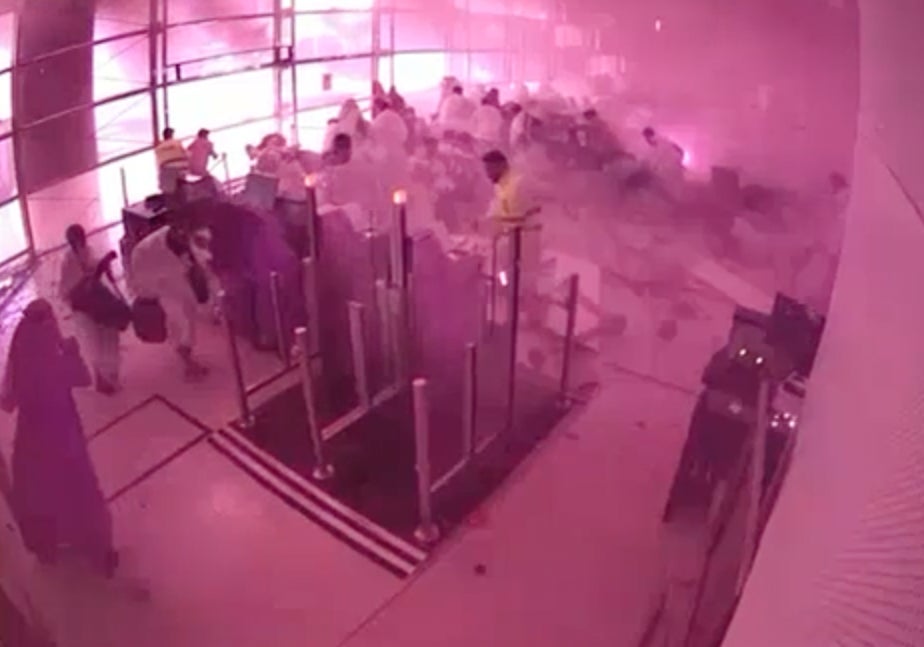
But after Yemen’s Iran-aligned Houthi rebels launched two attacks on Saudi Arabia’s Riyadh airport, killing 14 and injuring more than 300 on Saturday and Sunday, and following months of strikes by Iranian forces, the country’s image as a sanctuary for investors and tourists has taken a harsh beating.
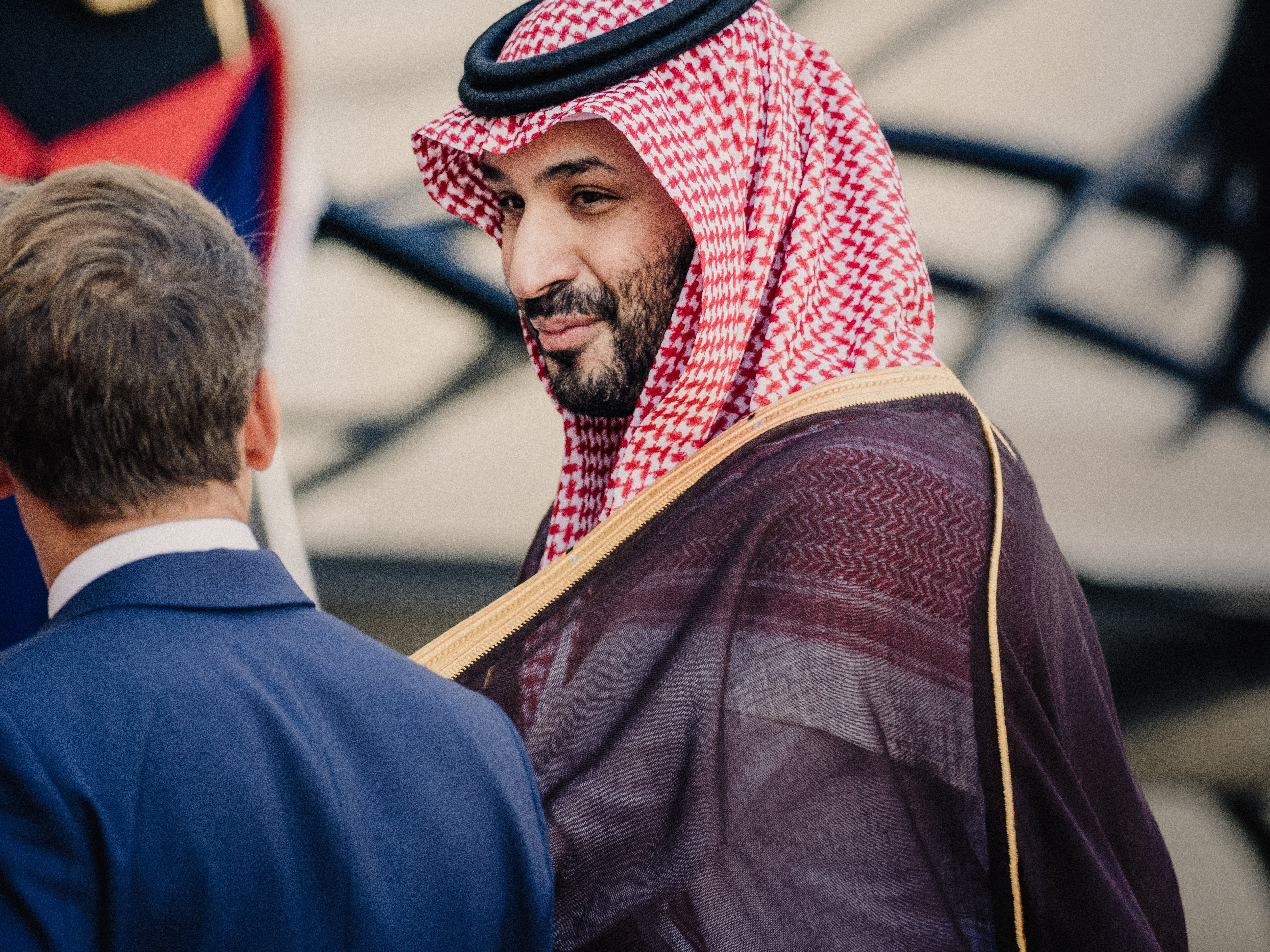
Experts say that Riyadh’s Vision 2030, a national initiative driven by crown prince Mohammad bin Salman which aimed to diversify the economy away from its dependency on oil, is under serious threat after months of war culminated in the deadly airport strikes.
“The war has dealt a serious blow to Vision 2030 at a time when Saudi Arabia was already grappling with the costs of its ambitious giga-projects and pressure on oil revenues,” said Alice Gower, an expert on geopolitics and Middle East security at Azure Strategy.
Dr Neil Quilliam, an associate fellow with the Middle East and North Africa Programme at Chatham House, said the Gulf had formerly been “largely insulated from from the conflicts in the region, and had managed to present itself as as a haven for investment, a haven for development, a great place for expatriates”.
“Obviously the fact that it’s been drawn into this war has changed that. I think certainly at the surface level, that perception has changed. It’s no longer seen as that kind of impregnable subregion, or an area that’s safe,” he added.
Several airlines, including Qatar Airways and Etihad, have suspended flights to and from Riyadh in light of the attacks, as Saudi fails to prove that it can prevent civilian targets from the Houthis deadly attacks. Operations at King Khalid International Airport, Saudi Arabia’s second-busiest airport after Jeddah, were suspended to allow for procedures that can “ensure the safety” of the facilities, Saudi’s civil aviation authorities said.
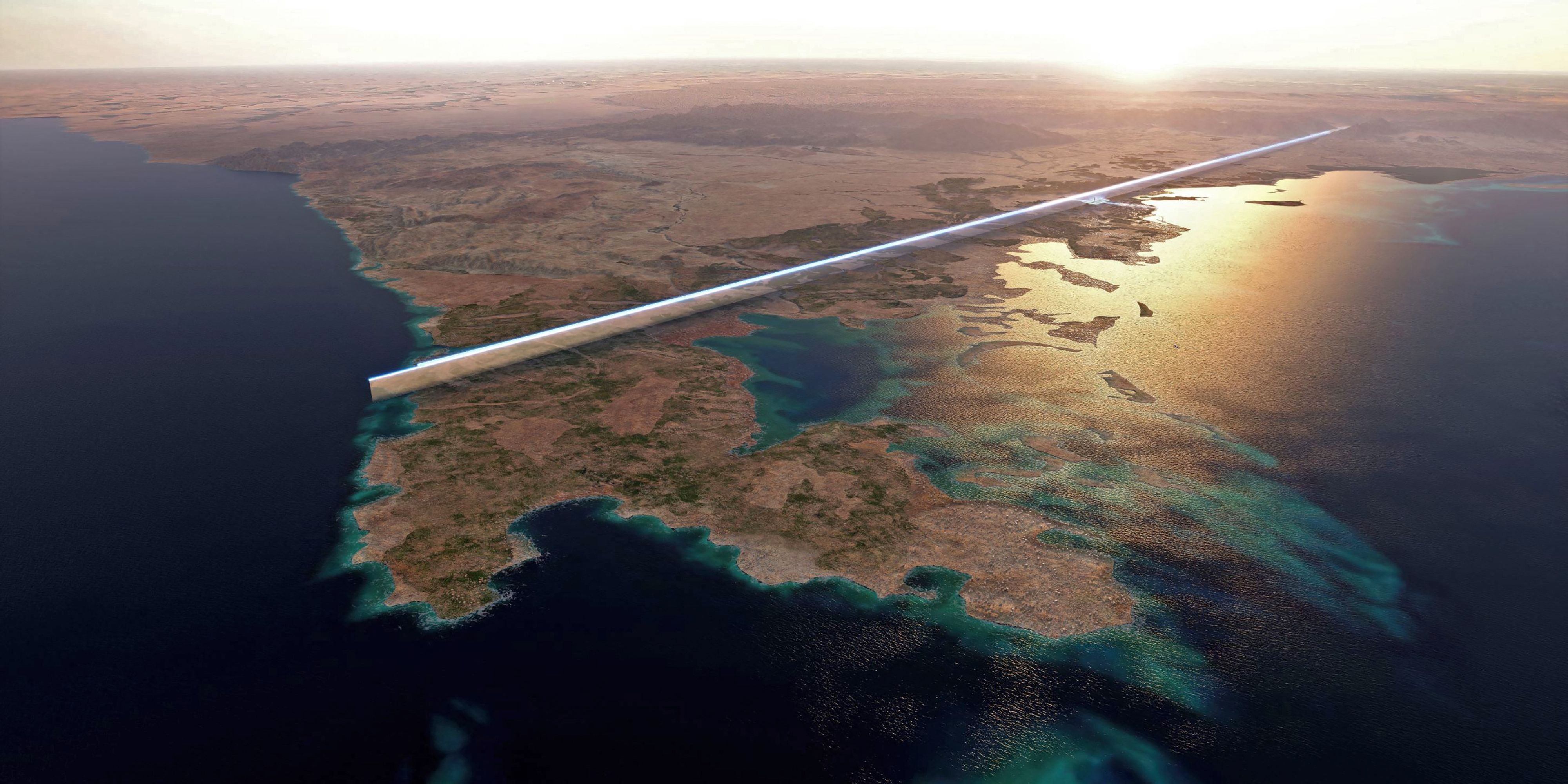
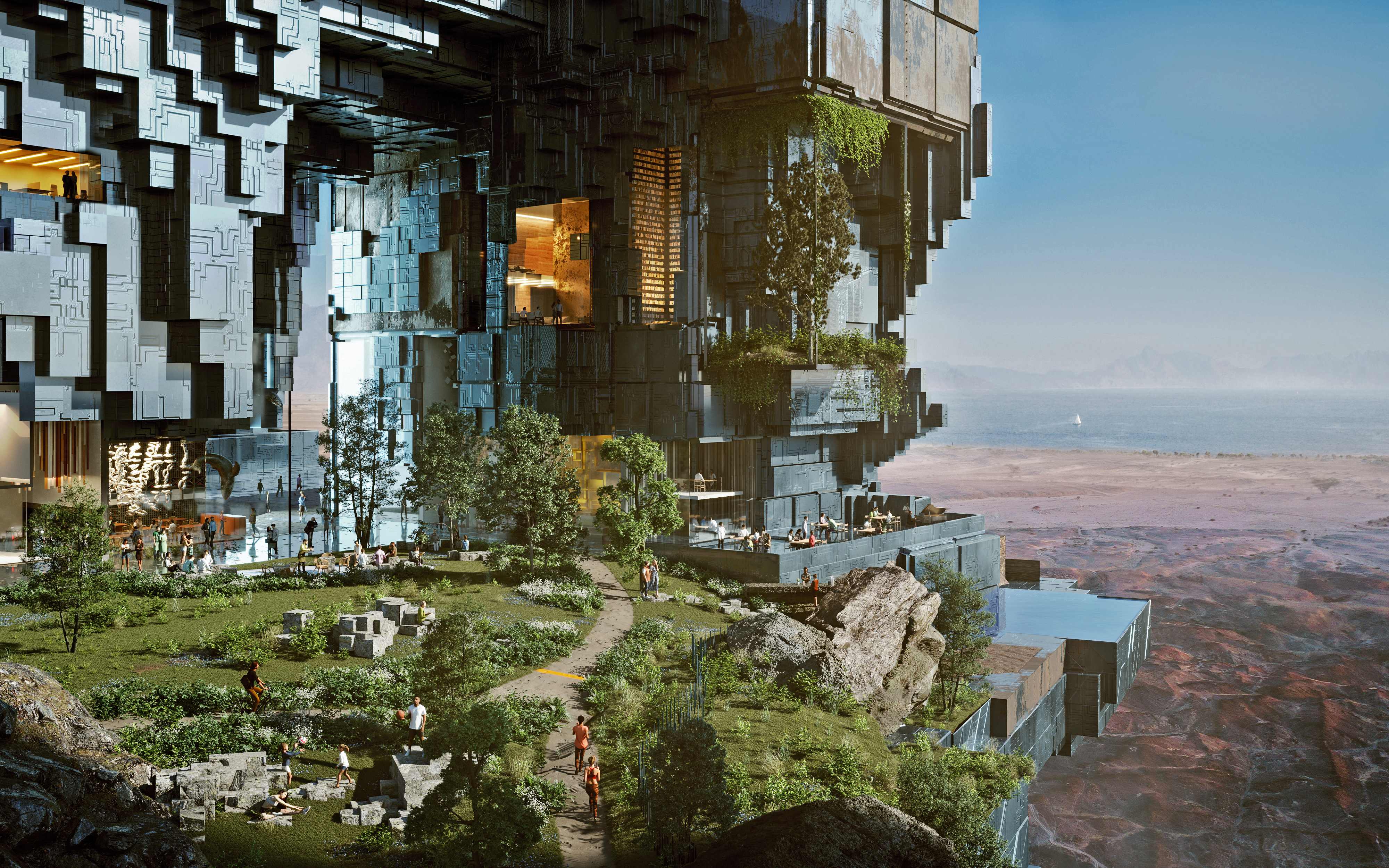
Saudi’s image had already been damaged before the war, experts say. The Neom project, which originally planned to see more than £363bn would be pumped into the construction of The Line, a 170km-long megacity, along with a mountain ski resort, several coastal resorts and an industrial zone along the coast of the Red Sea, has been dramatically scaled back.
The project, which was the brainchild of Saudi Arabian crown prince Mohammad bin Salman, had already exposed the limits of the Saudi Arabian economy. “We spent too much,” one Saudi official said at an investment forum last November. “We rushed at 100 miles an hour. We are now running deficits. We need to reprioritise.”
But it has been the war, first launched on Iran in late February by the US and Israel, that has inflicted the most damage on how the region is seen by tourists and investors.
Saudi Arabia was a major target for Iranian forces, who fired at oil refineries, military bases and airports.
It is now being squeezed from both sides, with the Yemeni Houthis scaling up their campaign against Saudi airports and oil facilities in recent months. For more than a decade, Saudi Arabia has supported Yemen’s UN-backed government and its forces in the Yemeni Civil War.
The attacks by the Houthis, an Iran-backed group, was a major escalation in its disputes with Saudi Arabia. The question of how far Riyadh can recover from being involved in six months of conflict, especially as the Houthis now escalate their attacks, lingers.
Dr Quilliam says the Gulf states had so far been “very good at trying to sort of push out a narrative that it’s business as usual”.
He added: “Before it was a bit like a gold rush, I think, where everybody was just rushing in and just thought, ‘Wow, this is a great place to come, great place to invest, it’s really opening up’. Now there will be some hesitancy, some reluctance around that.”
But he added that it “doesn’t mean that it won’t recover over the medium term”. There is a lifeline for Saudi Arabia in the ground, with its vast oil reserves providing “tremendous wealth” that will allow them to recover.
Ms Gower added: “Gulf governments are understandably keen to project normality, continuing to host major international events and signalling that they remain open for business. Cancelling these would also hand Iran and the Houthis a psychological victory by demonstrating the impact of their attacks.”
For the time being, Dr Quilliam said, Saudi Arabia will still attempt to present itself as an emerging economic hub and a beacon of stability in the Middle East, as it looks to preserve Vision 2030.
About the Author