Russian police have arrested citizens complaining of fuel shortages at the pump, as Ukraine’s drone campaign sparked fighting at petrol stations and rationing.
On Wednesday, Moscow and its surrounding regions were forced to reinstate purchase limits on fuel, capping sales at between 50 and 60 litres per vehicle.
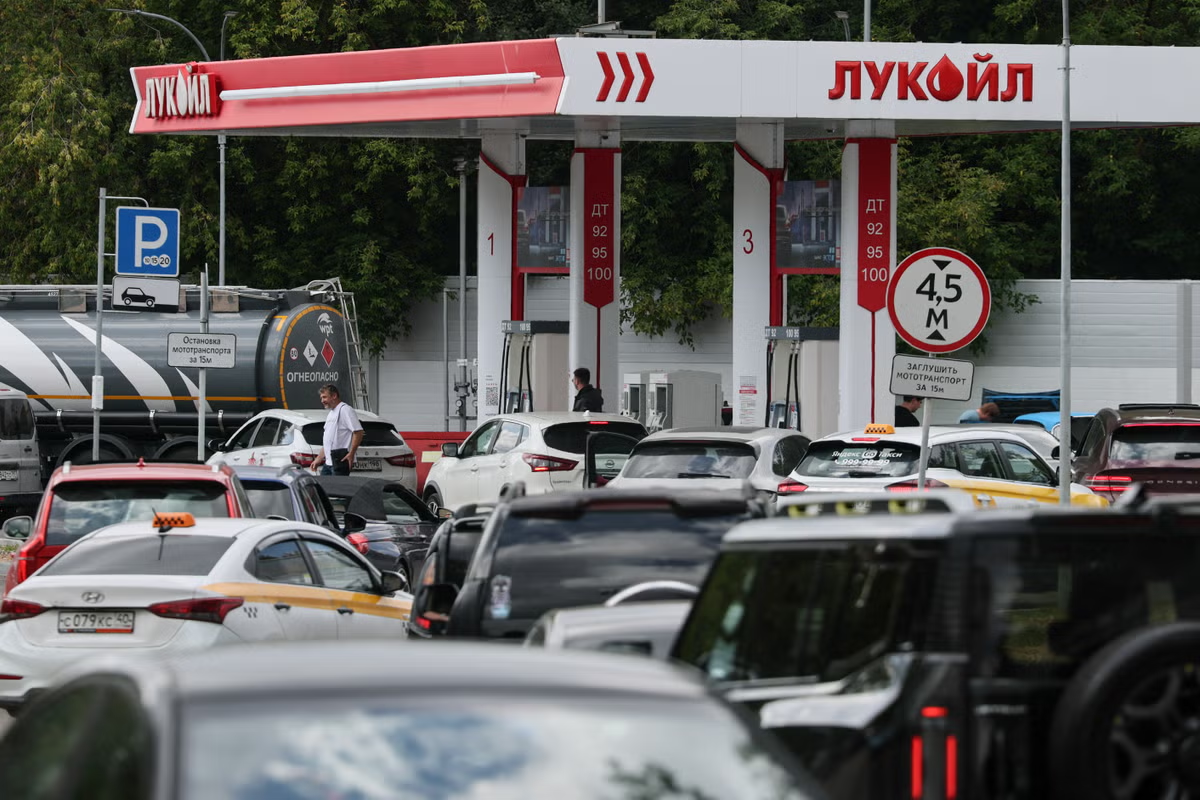
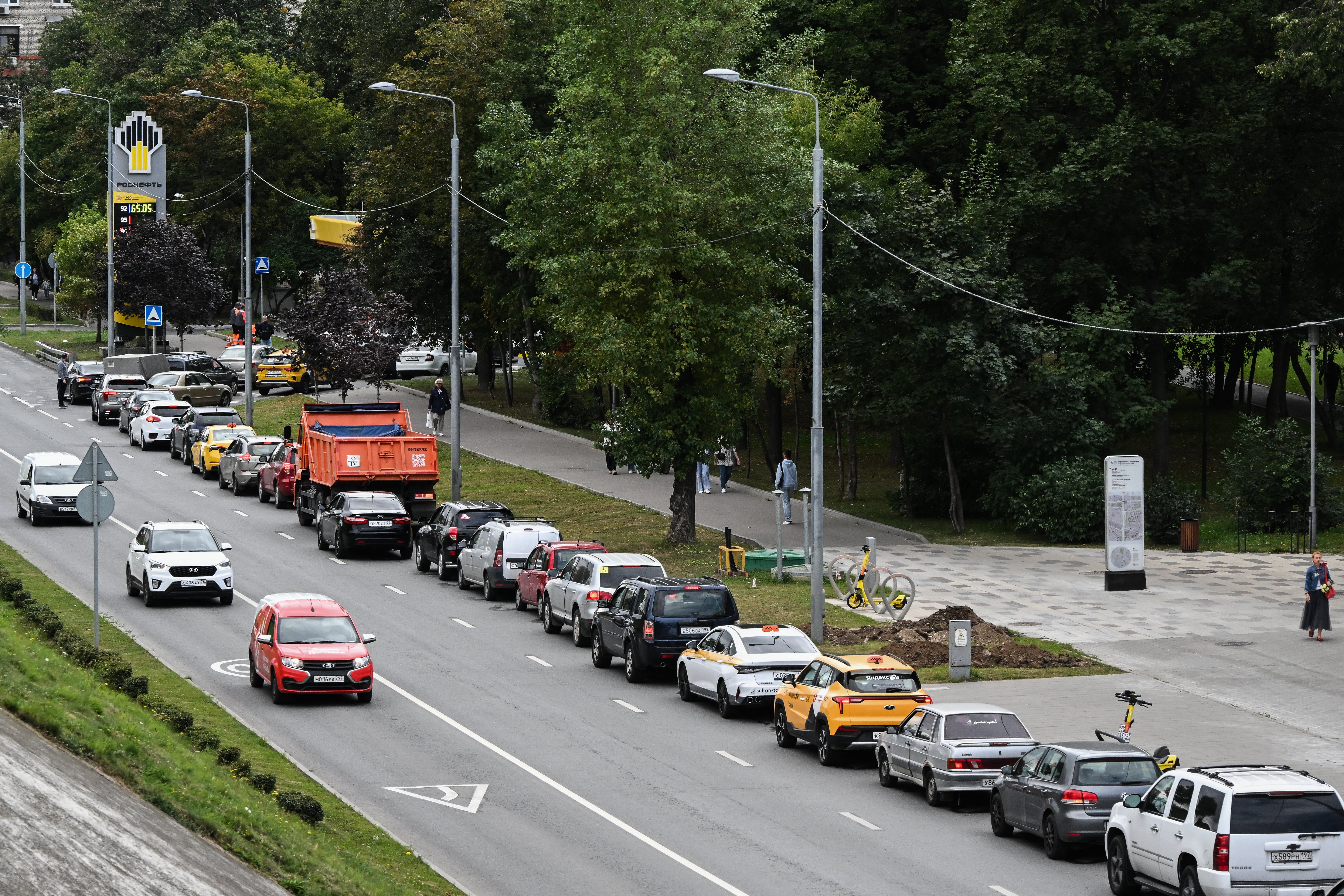
As Ukraine intensifies its ‘deep strike’ campaign, hitting another major oil refinery on Wednesday, the strain on Russia’s domestic energy grid continues to grow. Across at least 12 regions, miles of gridlocked traffic now stall forecourts, with motorists waiting up to 30 hours only to find the pumps empty.
The prolonged waits have pushed tempers to breaking point, with footage showing fights erupting between drivers over fuel.

But Russians expressing concern about the situation are now finding themselves subject to fines and arrest.
In Volgograd, police detained five residents after they filmed a video appeal to Alexander Bastrykin, the head of Russia’s Investigative Committee, demanding to know why local officials were using priority fuel cards while public pumps sat dry. Authorities branded the five-person recording an “unauthorised public gathering” and issued fines.
Alexei Sevastyanov, a lawyer who was handed five days in detention for allegedly resisting police during the crackdown, has criticised the Kremlin’s crackdown.
Speaking to local outlet V1.ru, he said: “I think that intimidating people by saying that recording a video appeal requires approval from some administration is simply absurd.”
Similar intimidation tactics have been used in other regions. In Perm, resident Lev Samolovskikh was hit with a 10,000-rouble fine for mentioning a planned protest in a Telegram channel with just 44 subscribers.
The state’s response reflects just how deeply Kyiv’s aerial campaign is crippling Russian infrastructure.
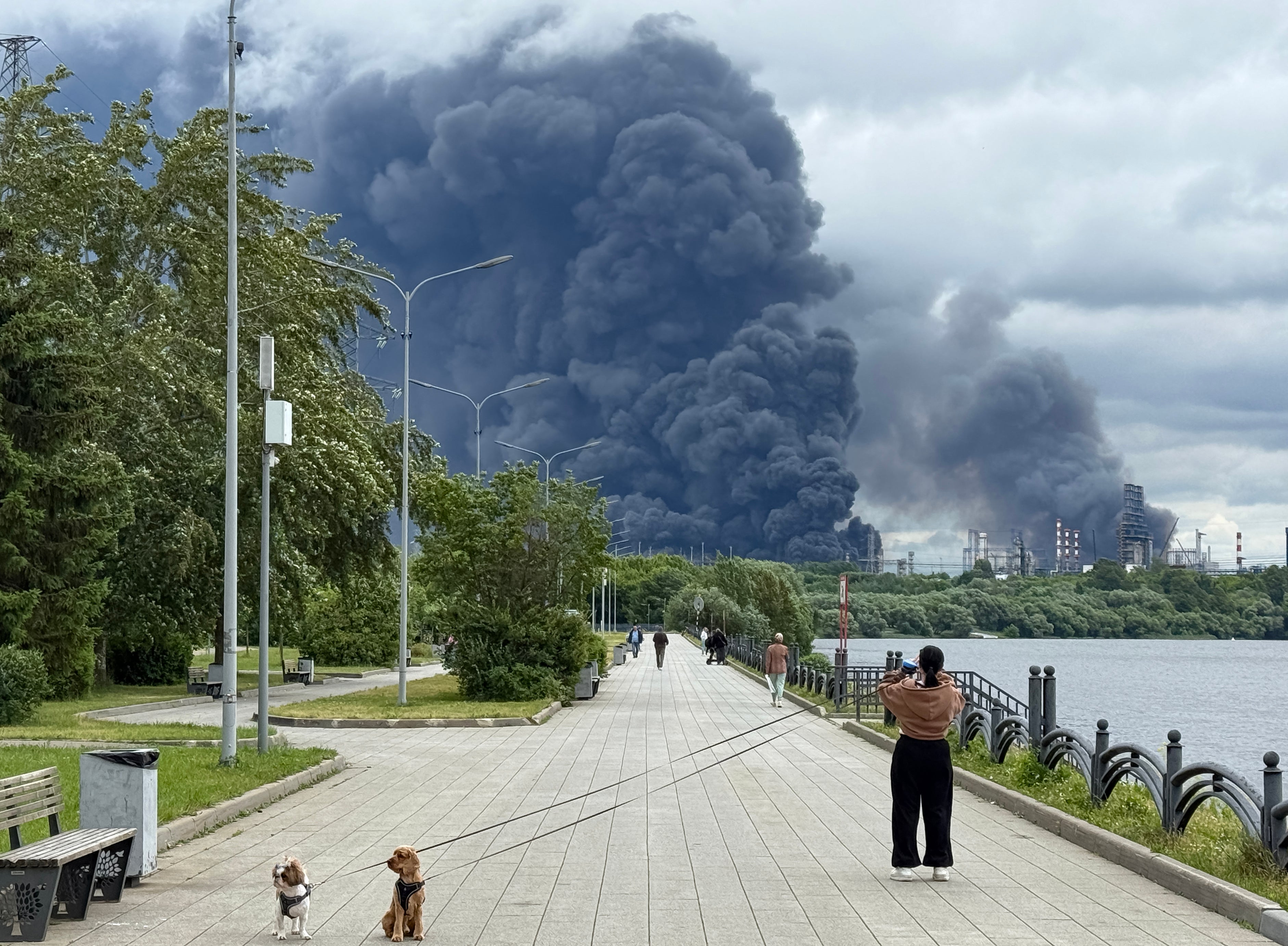
Since early August, Ukrainian drones have knocked out nearly a third of the country’s major oil refineries. Recent strikes set ablaze a vital processing facility in Bashkortostan, while another attack shuttered a major refinery in Orsk — where repairs could take up to six months.
The destruction has dragged domestic production down to multi-decade lows. In July, Russia processed just 3.6 million barrels of crude per day — a third below the seasonal average and the lowest level since May 2000, leaving an estimated 50 million people facing supply disruptions.
According to pro-Kremlin paper Izvestia, gasoline and diesel were available at just 28 per cent of petrol stations nationwide by mid-August, down sharply from 41 per cent the previous week.
While Energy Minister Sergei Tsivilyov has acknowledged the massive queues, he insists that fuel remains available and claiming diesel can still be found “everywhere.”
To stave off a total breakdown, the past months have seen Moscow resort to desperate stop-gap measures: extending export bans, quietly importing gasoline stockpiles from India, and slashing national production standards to permit low-grade Euro-2 fuel.
Although Euro-2 had been banned since 2013 due to its high pollutant levels and potential to ruin modern car engines, officials have reauthorised it as an emergency measure to balance supply.
While deputy prime minister, Alexander Novak previously touted these moves as achieving “partial stabilisation,” Ukrainian strikes relentlessly draining Russia’s reserves, any brief respite appears to have vanished.
About the Author