Balendra Shah’s party represents a reformist wave reshaping Himalayan nation’s politics.
Published On 8 Mar 2026
Preliminary and partial results released show a new political party led by an ex-rapper is in front in Nepal’s parliamentary election, the country’s first since last year’s youth-led revolt.
The Rastriya Swatantra (RSP) already won 60 of 165 directly elected seats and is leading in 61 other constituencies in the results published by Nepal’s Election Commission on Saturday.
Recommended Stories
list of 2 itemsend of list
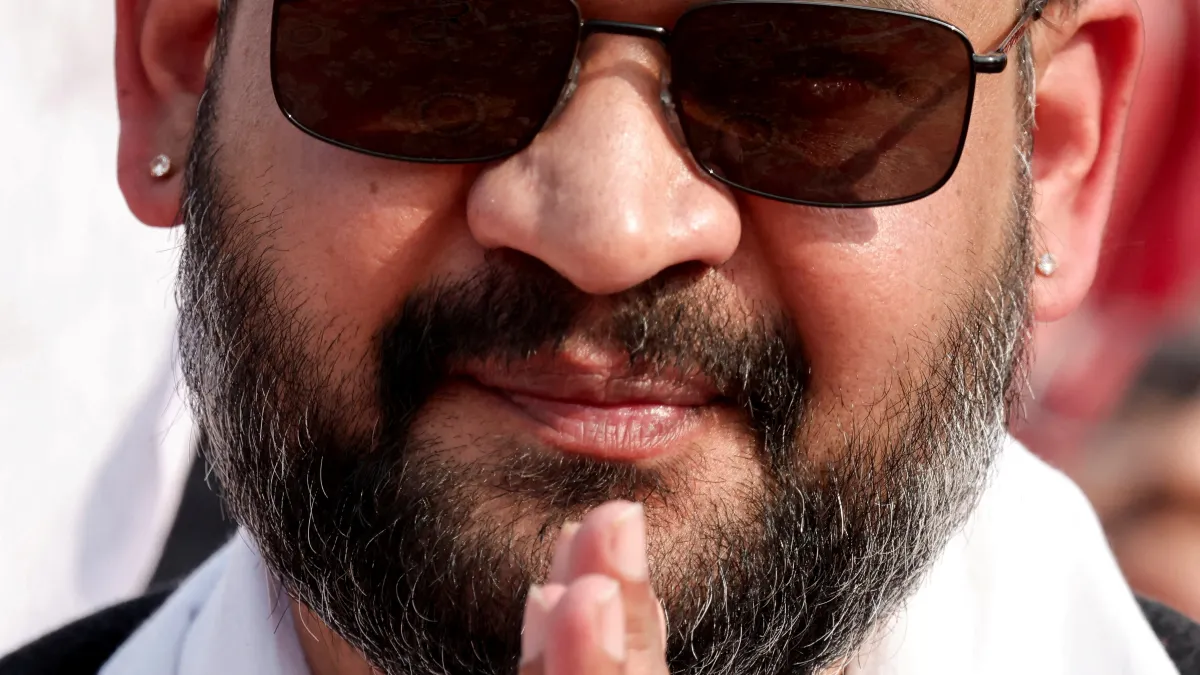
Its prime ministerial candidate is rapper-turned-politician Balendra Shah, 35, who won the 2022 Kathmandu mayoral race and emerged as a leading figure in the 2025 uprising that ousted former Prime Minister Khadga Prasad Oli.
He highlighted health and education for poor Nepalis as a key focus of his campaign, which rode a wave of public anger towards traditional political parties.
Shah, running directly against Oli in a southeastern district, won the seat with a wide margin, securing almost four times as many votes as the former prime minister.
He said the vote reflected his refusal to take “the easy way out” and signalled a reckoning with the “problems and betrayals that have affected the country”.
Oil congratulated Shah in a post on X, wishing him a “smooth and successful” term.
[Translation: Balenu Babu, Congratulations to you for the victory! May your five-year tenure be smooth and successful—heartfelt best wishes!]
Shah, widely known simply as “Balen”, trained as a civil engineer before breaking through as one of Nepal’s most prominent rappers, releasing conscious music targeting corruption and inequality that later became anthems of the September protests.
His 2022 election as Kathmandu’s first independent mayor was also a major upset for the political establishment at the time. The RSP, his party, founded the same year, was built on a similar anti-establishment platform.
Its campaign before Thursday’s vote was highly organised, with a more-than-660-person social media operation and significant funding from the Nepali diaspora, particularly in the United States.
“The nation was fed up with the old corrupt leaders,” said Birendra Kumar Mehta, a member of RSP’s central committee.
The September protests, initially triggered by a government ban on social media platforms, rapidly escalated into a mass movement against corruption and economic stagnation. At least 77 people were killed.
Shah emerged as a figurehead of the protests, and his song Nepal Haseko, Nepal Smiling, accumulated more than 10 million YouTube views during the unrest. His victory reflects a growing generational divide in the country.
More than 40 percent of Nepal’s nearly 30 million people are under 35, yet the leadership of its established parties has remained in its 70s.
Nepalese journalist Pranaya Rana described Shah to Al Jazeera as embodying “the outsider spirit that many young Nepalis are looking for to shake up the status quo”.
About the Author