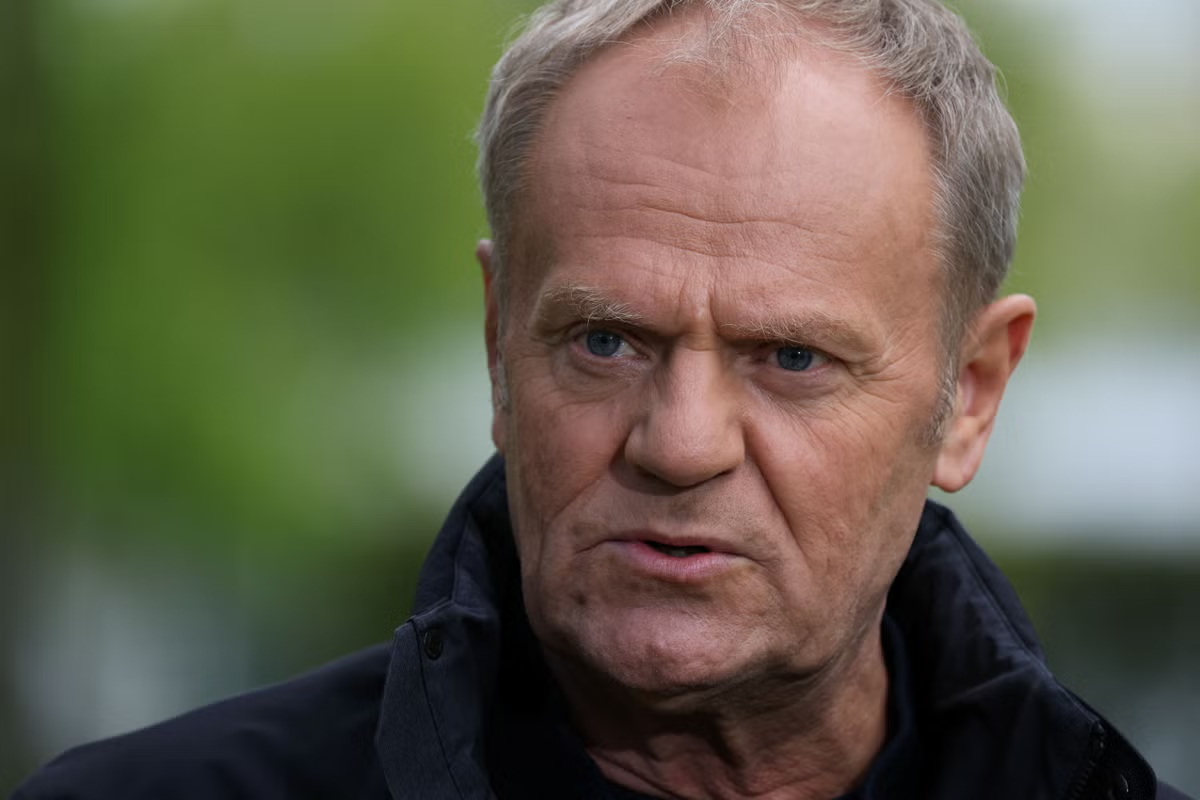
Poland’s prime minister has said Nato is “disintegrating” after the United States announced it would withdraw thousands of troops from Germany.
Donald Tusk wrote on social media: “The greatest threat to the transatlantic community are not its external enemies, but the ongoing disintegration of our alliance. We must all do what it takes to reverse this disastrous trend.”
His comments come after the US announced a plan to pull around 5,000 troops out of Germany over the next six to 12 months.
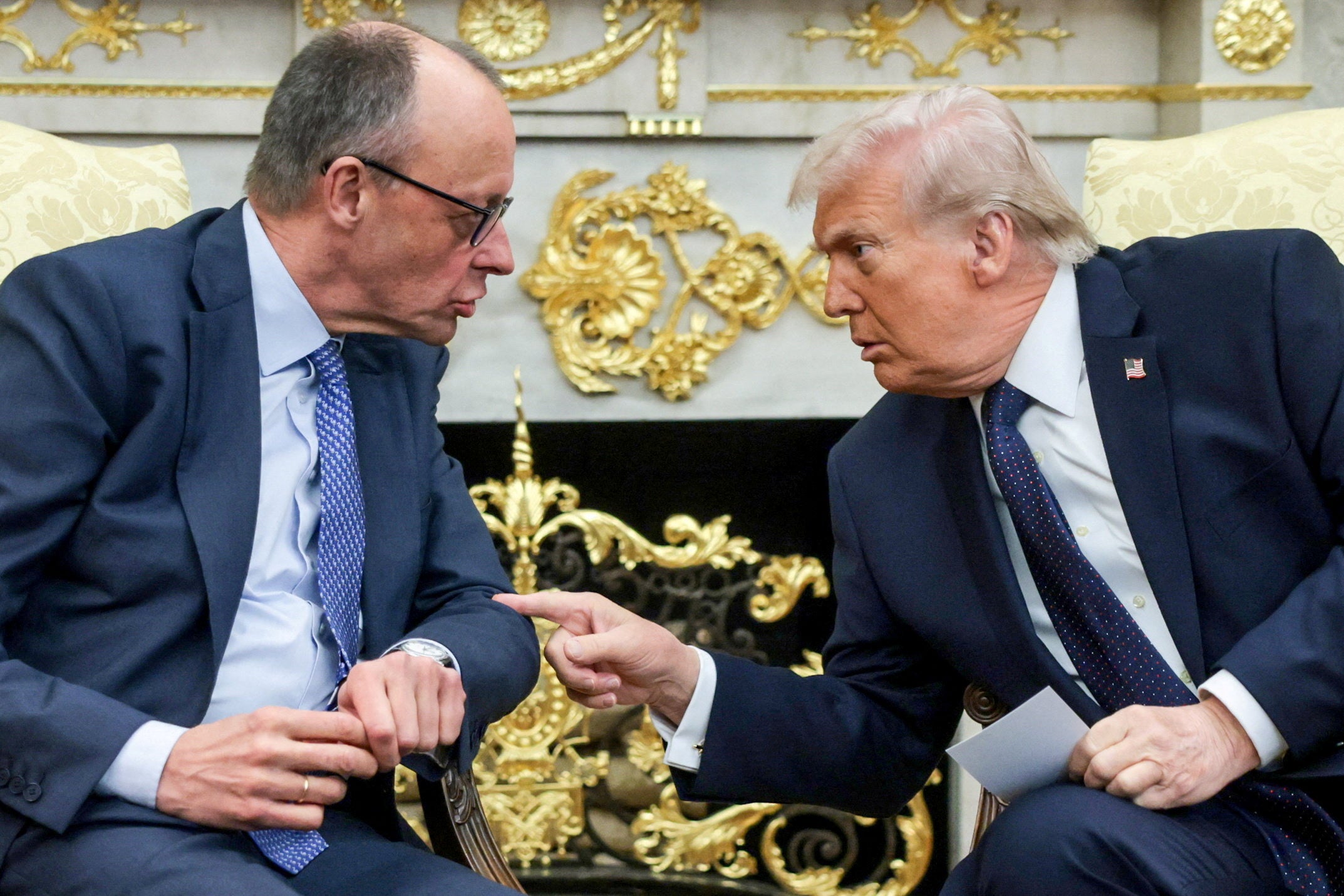
While Donald Trump has called for a reduced military presence in Germany as far back as his first term, the downsizing was accelerated this week after the German chancellor said the US is being “humiliated” during negotiations with Iran.
Mr Trump said on Thursday in a Truth Social post that Mr Merz should focus more on ending the war in Ukraine and “his broken Country” rather than interfering with negotiations.
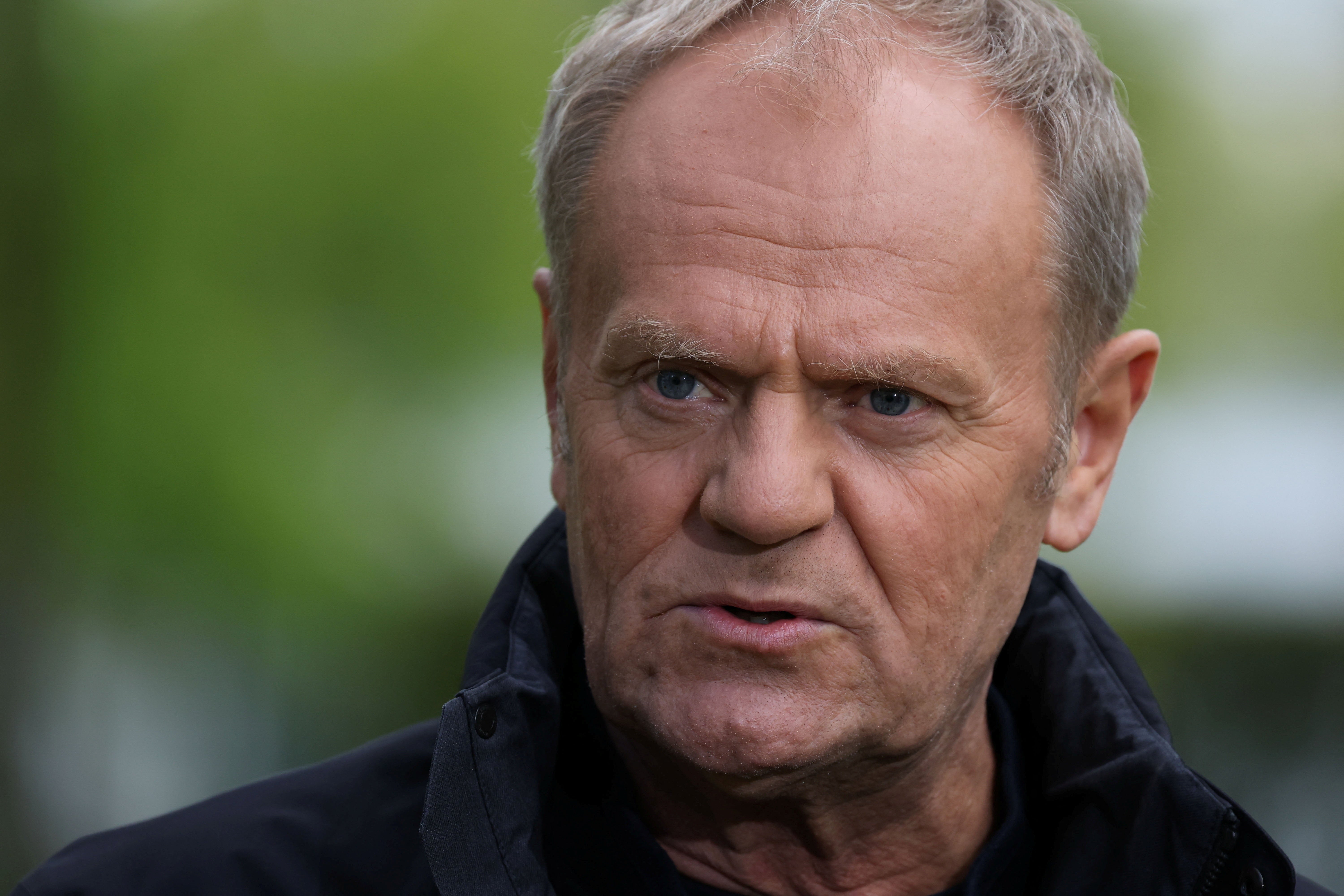
A senior Pentagon official, speaking on condition of anonymity, said recent German rhetoric had been “inappropriate and unhelpful”.
“The president is rightly reacting to these counterproductive remarks,” the official said.
As part of the decision, a Biden-era plan to deploy a US battalion with long-range Tomahawk missiles to Germany has also been dropped – a blow to Berlin, which had pushed for the move as a powerful deterrent against Russia.
However, Germany’s defence minister took the US decision in his stride as he said the partial withdrawal was expected and would affect a current US presence of almost 40,000 soldiers stationed in Germany.
“We Europeans must take on more responsibility for our own security,” Boris Pistorius said, adding, “Germany is on the right track” by expanding its armed forces, speeding up military procurement and building infrastructure.
Germany is the US military’s biggest basing location in Europe, serving as a key training hub with more than 35,000 active-duty military personnel.
The Pentagon did not say which bases would be affected, nor whether the troops would return to the US or be redeployed within Europe or elsewhere.
A NATO spokesperson said the alliance was working with the US to understand the details of the decision.
About the Author