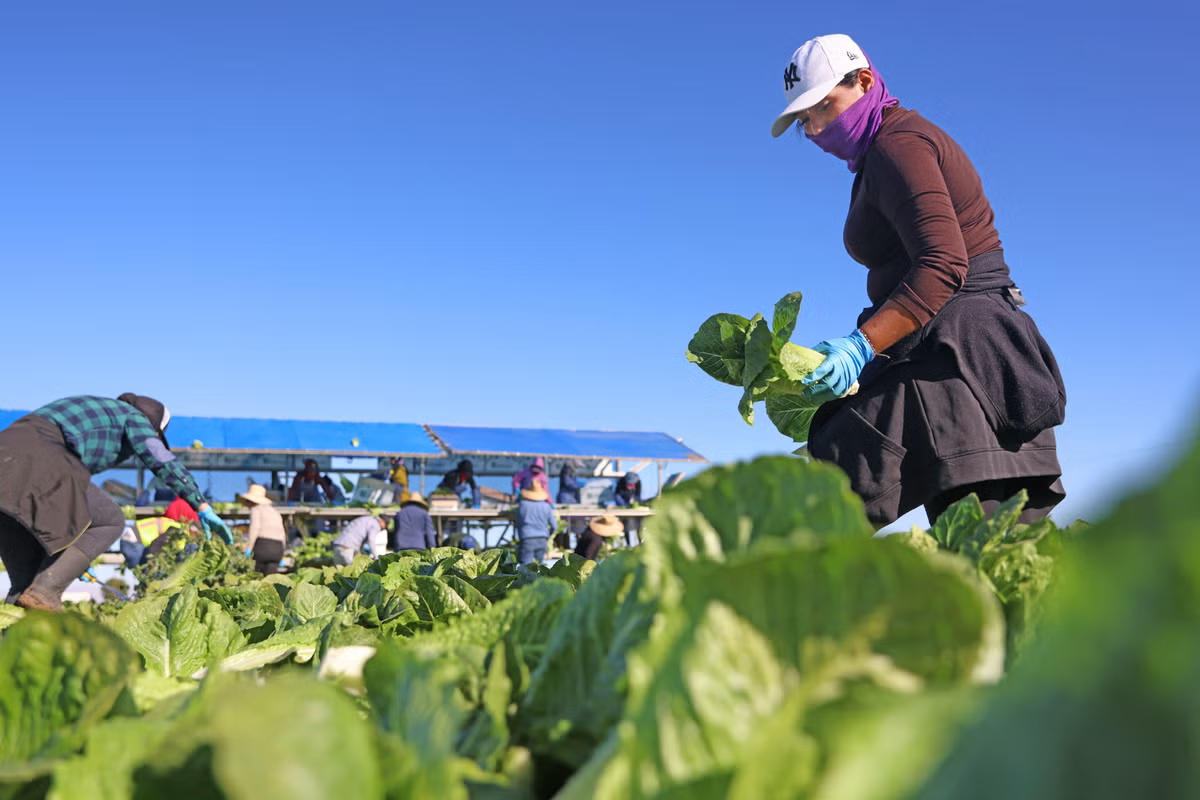
Michiganders can return to their regular lettuce and salad eating habits amid the state’s continuing outbreak of explosive diarrhea-causing cyclosporiasis, health officials said.
“In response to the ongoing cyclosporiasis outbreak, the Michigan Department of Health and Human Services (MDHHS) advises Michigan residents that they can resume routine guidance for consuming lettuce and salad greens as new cyclosporiasis case reports and related emergency department visits are on the decline,” the Michigan Department of Health and Human Services said in a release.
That includes eating bagged salad and “usual” food-handling practices, although the department noted it would update residents if conditions change.
Some 12,485 cyclosporiasis cases have been reported in Michigan since June.
The Great Lakes state has been the center of America’s ongoing outbreaks, and was the first to report two deaths from the dehydrating illness caused by exposure to the parasite cyclospora.
The two individuals were not identified, but had “significant” underlying health conditions, the department said.
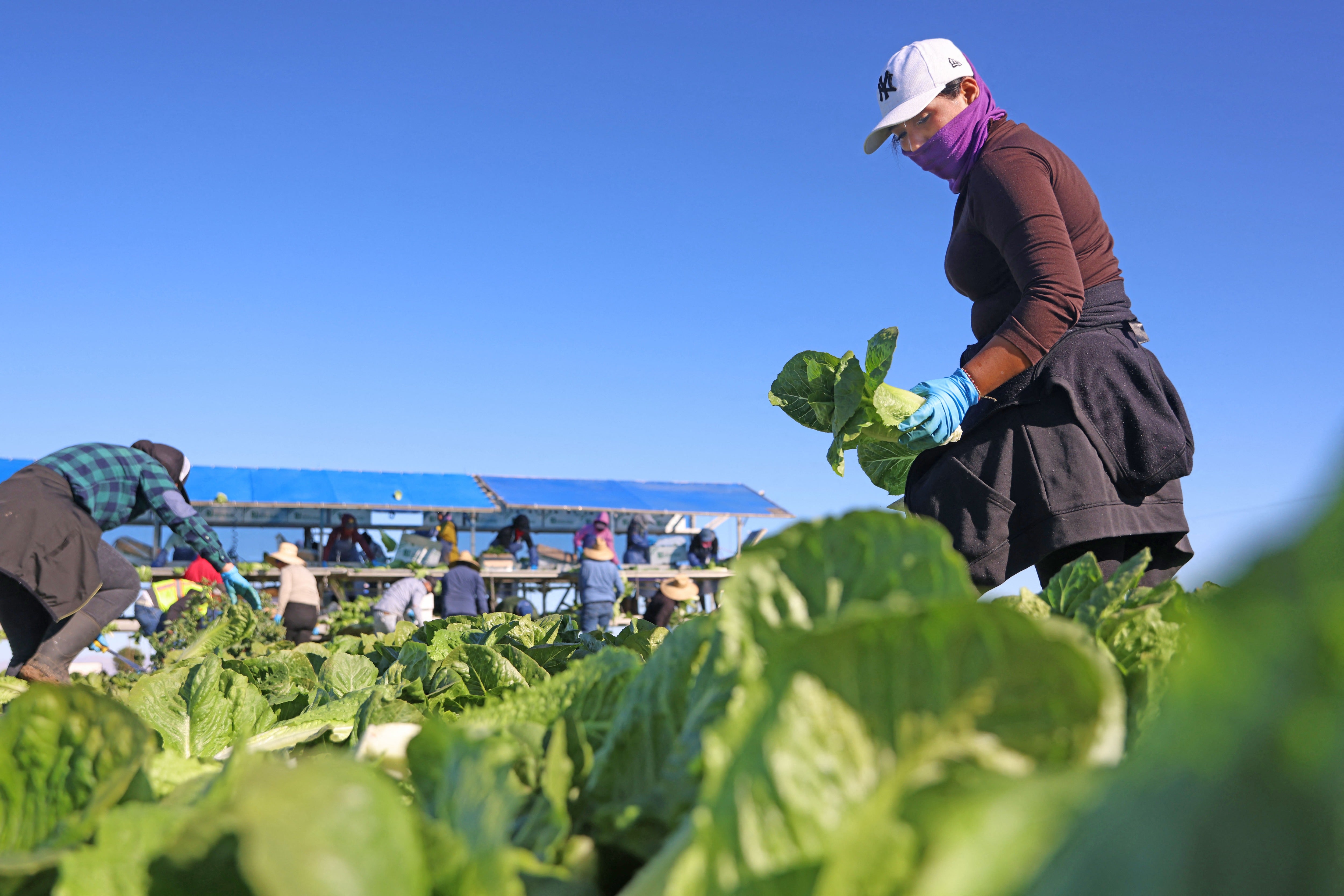
Cases there were tied to contaminated iceberg lettuce from California salad-maker Taylor Farms, which was served at multiple locations of the fast-food chain Taco Bell. Taylor Farms issued a voluntary recall of the lettuce, sourced from Mexico, earlier this summer. That included restaurants and grocery store shelves.
There have now been more than 22,700 cases of the virus that leaves victims with explosive diarrhea reported nationwide, according to the Centers for Disease Control and Prevention.
The outbreak that includes Michigan – the nation’s largest – recently expanded, jumping from nine states to 15 states earlier this week, the U.S. Food and Drug Administration said.

The other affected states are Arkansas, Iowa, Illinois, Indiana, Kansas, Kentucky, Missouri, Nebraska, New Hampshire, North Carolina, Ohio, Oklahoma, Pennsylvania and West Virginia,
In North Carolina, parsley and cilantro have reportedly been tied to cases, too, according to the New York Post.
Cases in Michigan have shown signs of slowing from week to week, but it’s unclear where the other states stand.
The sources of other reported outbreaks remain under investigation, including one with 115 cases and another with 25 in unidentified areas.
While cyclosporiasis is generally not a life-threatening illness, hospitalizations can occur following severe diarrhea, vomiting and other symptoms that make it hard to stay hydrated and receive critical nutrients.
There have been 279 hospitalizations in Michigan and 517 across the U.S.
Cyclosporiasis is spread when people are exposed to traces of human fecal matter that contain cyclospora, which can spread through the water system that irrigates crops.
To reduce risk, people were advised to avoid known sources of exposure, such as lettuce, and really wash and scrub fruits, herbs and vegetables, which have been the culprits in past outbreaks.
Symptoms may take up to two weeks to appear, which is part of why federal cyclosporiasis data has lagged, the CDC says. Given the delay, Michigan’s health department said that most exposures occurred in late June to early July.
“The majority of the contaminated produce is likely no longer available for consumption,” officials wrote.
About the Author