Michigan Attorney General Dana Nessel stated that a report published Tuesday regarding the Flint lead-water crisis represents the last measure her office can pursue toward establishing accountability. The release follows a state Supreme Court decision years prior that dismissed criminal charges against a former governor along with eight other individuals.
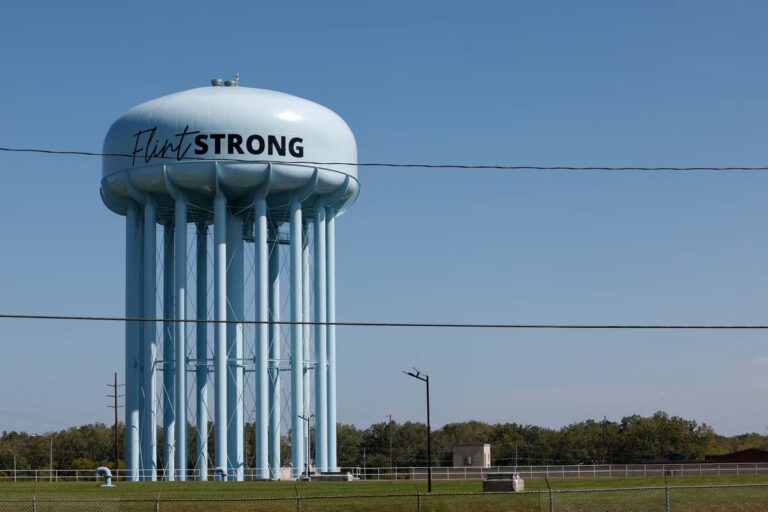
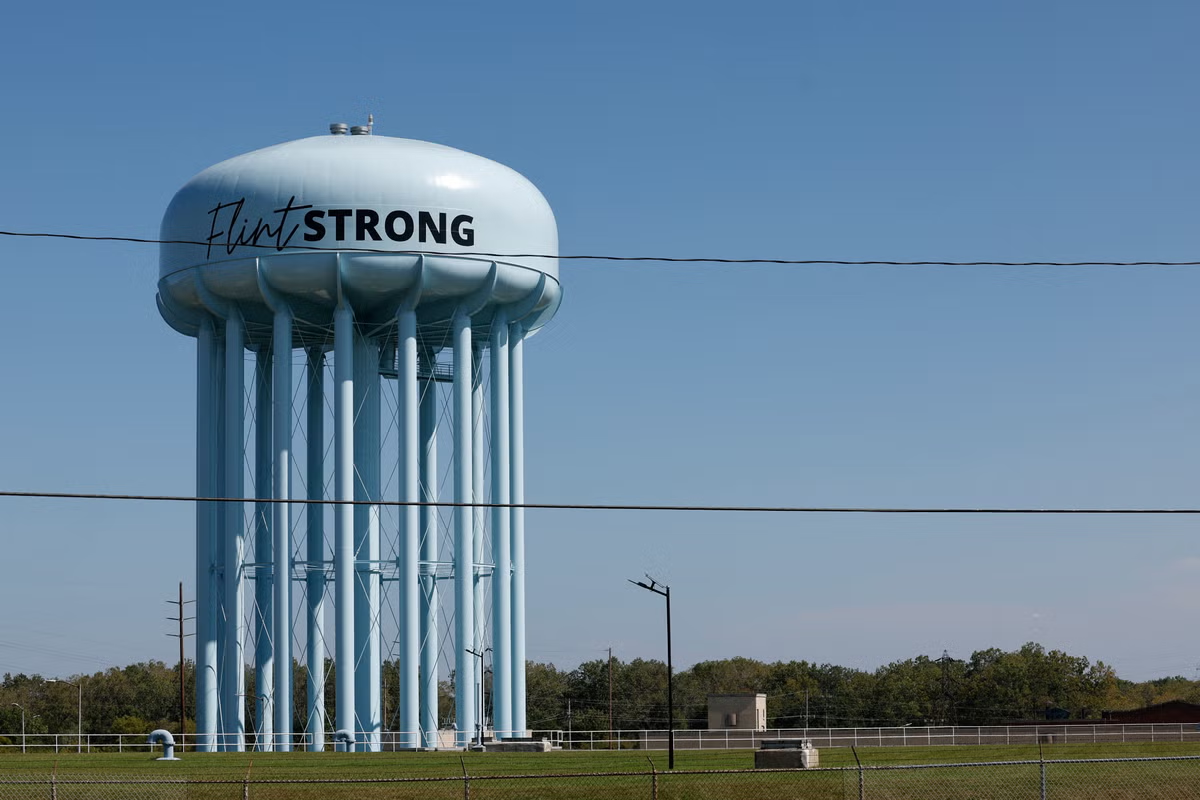
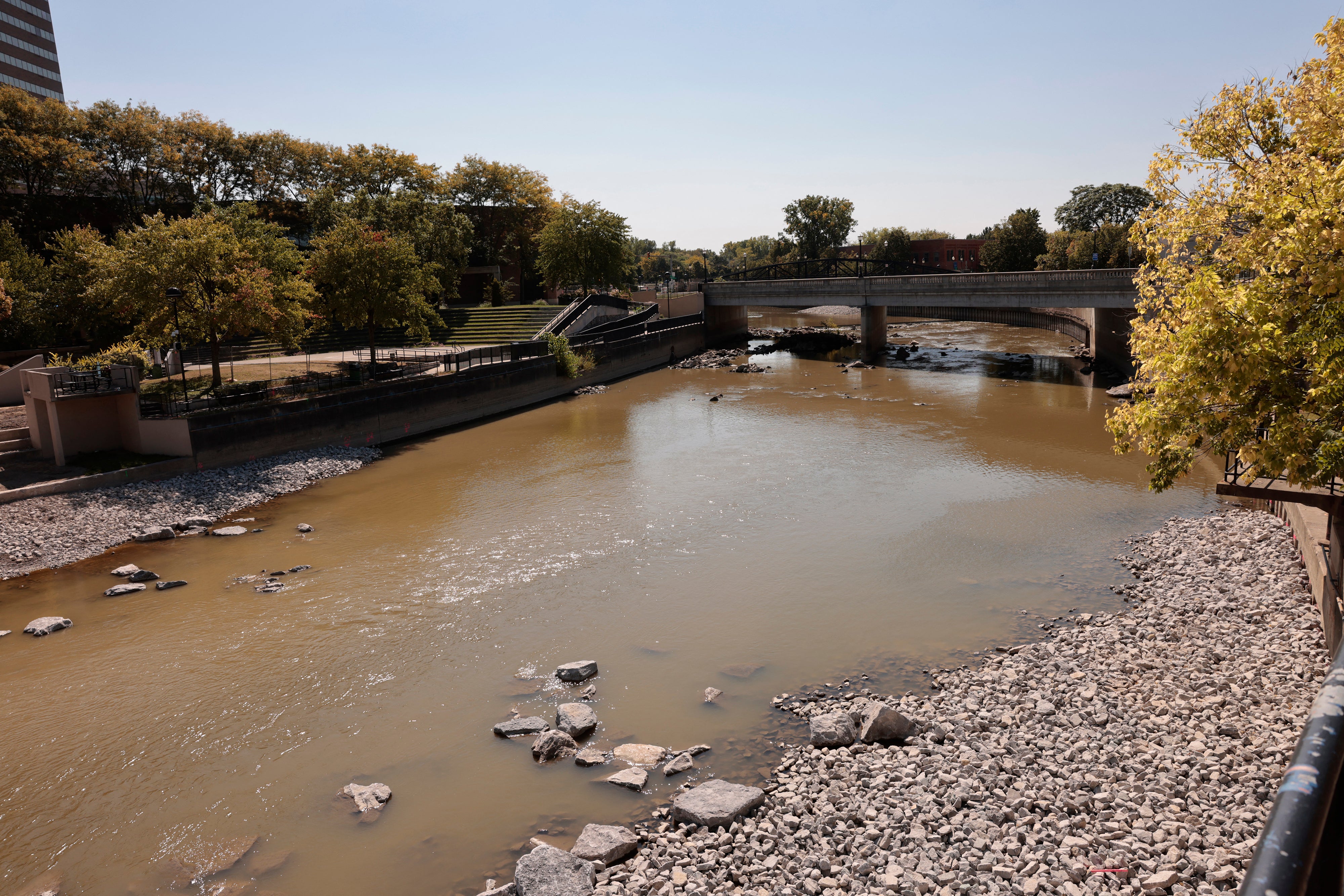
Flint residents endured years of health issues after lead leached from aging pipes into municipal drinking water when authorities switched to drawing from the Flint River to save money in 2014. The majority of the 101-page document outlines the background of the disaster, the delayed reaction from local and state officials and previous attempts to bring 42 felony and misdemeanor charges against nine people, including former Republican Gov. Rick Snyder.
Nessel, a Democrat currently in her final term, noted the publication provides a comprehensive public record of the criminal probe, expressing regret that the evidence was never heard by juries.

“I hope this offering revealing the inner workings of our dedicated investigators and prosecutors who helmed this yearslong effort and the facts and evidence which guided them may tell one part of the story of the Flint water crisis, and put the truth in the hands of the people of Flint who deserve it the most,” Nessel said.
After taking office in 2019, Nessel fired a special prosecutor who had brought criminal charges and assembled a new team of attorneys to determine whether crimes were committed. That team ultimately brought charges against Snyder and other key officials, presenting their evidence to a judge who acted as a one-person grand jury.
The state Supreme Court threw out those charges in 2022, saying the judge had no power to issue indictments under the grand jury law.
Nessel was not involved in the criminal cases, deciding instead to focus on settling lawsuits against the state and wall herself off from the criminal investigation. But on Tuesday she defended prosecutors’ decision to seek the charges directly from a judge, calling it “the smartest possible move” at the time. She also questioned the political implications of the ruling, noting three of the justices who joined the unanimous ruling were appointed by Snyder.
“I think it’s impossible to separate those things,” Nessel said.
Nessel said it was frustrating that “justice has evaded the people of Flint” and they will not get their day in criminal court to see officials be held accountable for the water crisis.
The Associated Press sent an email Tuesday seeking comment from Snyder.
Prosecutors said in 2023 that a report would come out the following year summarizing their investigation. Nessel said it took more time to redact information from grand jury proceedings that must remain secret and summarize millions of other documents.
Cash-strapped Flint was under state financial control when it stopped getting its water from Detroit and began drawing it from the Flint River while waiting to connect to a new regional system. The move was made to save money. But chemicals used to treat the river water caused lead to leach from old pipes.
As state health officials said the water was safe, doctors started reporting high levels of lead in the blood of Flint children.
Snyder acknowledged the lead problem in September 2015, leading the state to provide water filters and testing of water in Flint schools. In early 2016, he declared a state of emergency in Flint. Congress eventually approved a bill authorizing water projects nationwide. About $170 million went to Flint to address lead in the drinking water.
In 2020, a judge approved a $626 million settlement for Flint residents and others who were exposed to lead-contaminated water. The Flint water crisis prompted other communities across the state and in other states to seek solutions to how drinking water was delivered to homes and businesses.
About the Author