Utah is the new epicenter of measles in America, public health data shows.
The western state’s outbreak surpassed 600 cases this week, a tracker from the state’s health department shows, including more than 400 between January and April.
That’s a sizable chunk of the 1,748 confirmed measles cases reported to the U.S. Centers for Disease Control and Prevention.
Although, unlike in previous outbreaks, most of Utah’s cases have spread among the general population, and not among unvaccinated religious groups like in Texas and South Carolina.
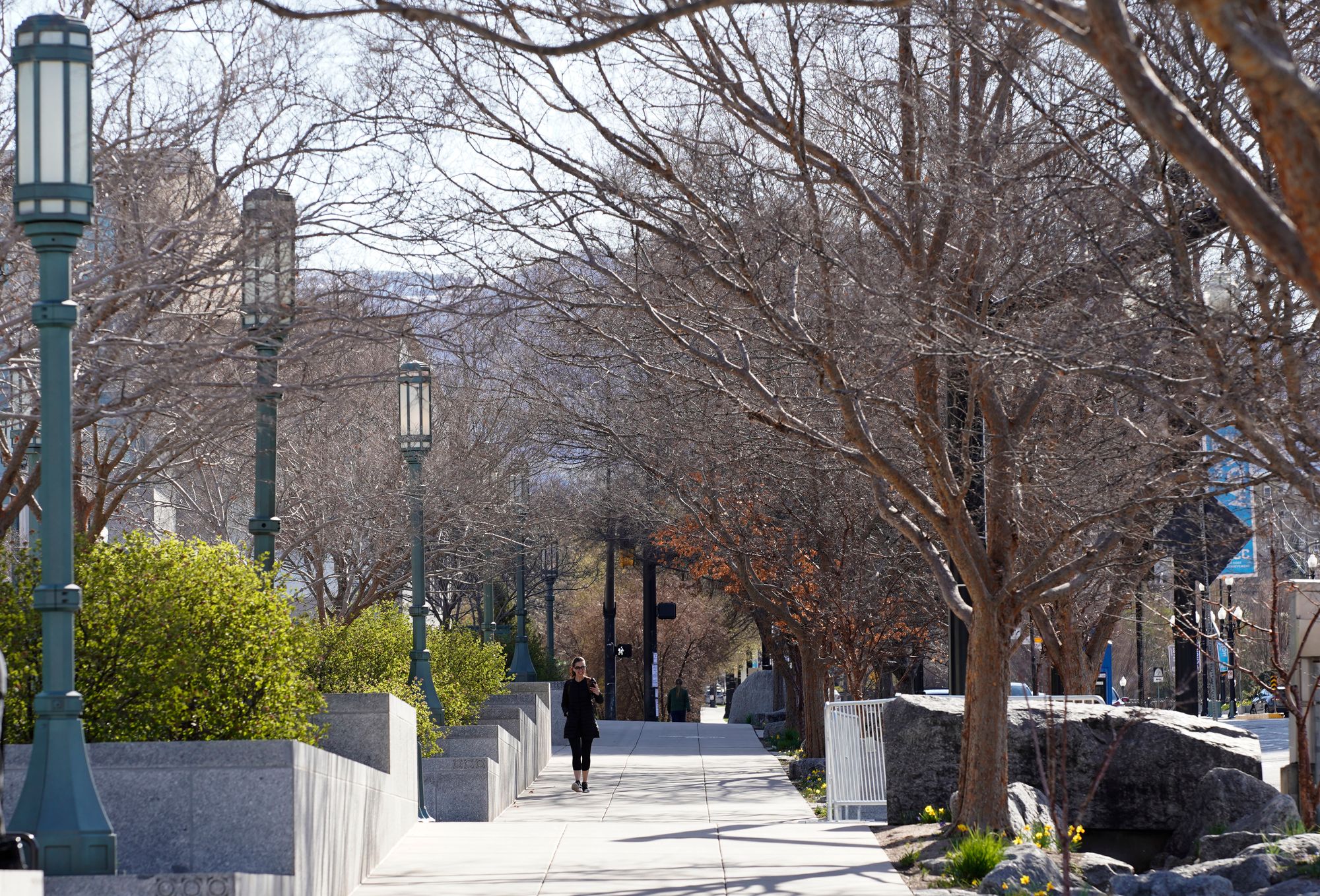
Many infections have been traced back to a grocery store and big box shop, a Latter-day Saints temple and the University of Utah.
But one aspect remains the same: people who aren’t vaccinated are the ones who are falling ill.
More than 510 of Utah’s 602 cases are in people who were unvaccinated against measles before they were infected.
Only around 10 percent of patients had received at least one dose of the measles, mumps and rubella vaccine, state health officials told The Tribune.
Part of the reason people still aren’t vaccinated is misinformation about the severity of illness from measles.
State epidemiologist Dr. Leisha Nolen told reporters she had visited a southern Utah community hit hard by the illness and sought to dispel the myth that the measles is a mild infection, according to The Salt Lake Tribune.
“Over and over again, what I heard from these people who had measles, as well as the providers, was that measles is so much worse than what they expected,” Nolen said. “It is not a mild infection, it is not a mild virus, it is severe illness.”
In Salt Lake City, where most of Utah’s population resides, 14 percent of cases require hospitalization, Nicholas Rupp, with the Salt Lake County Health Department, told KSL TV 5.
“You think you have a sniffle, a little fever, headache, runny nose,” Rupp said. “You don’t get that telltale measles rash until sometimes day three or four.”
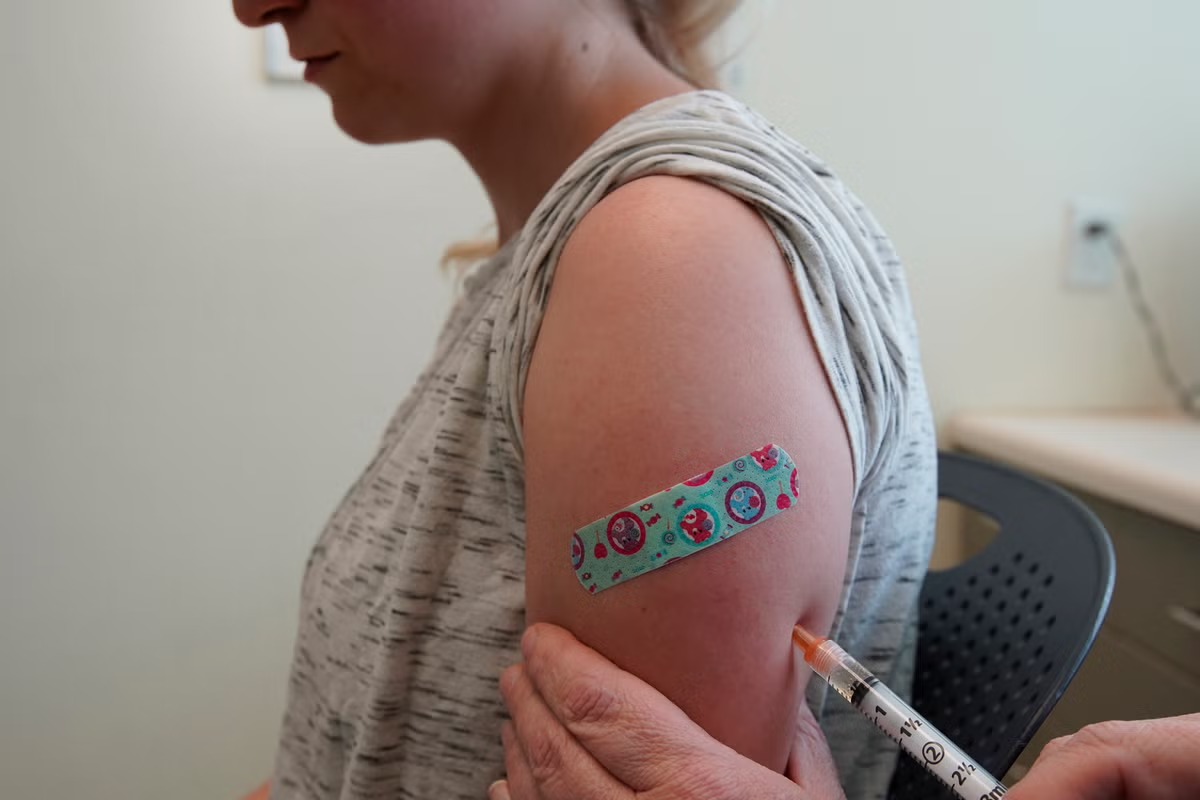
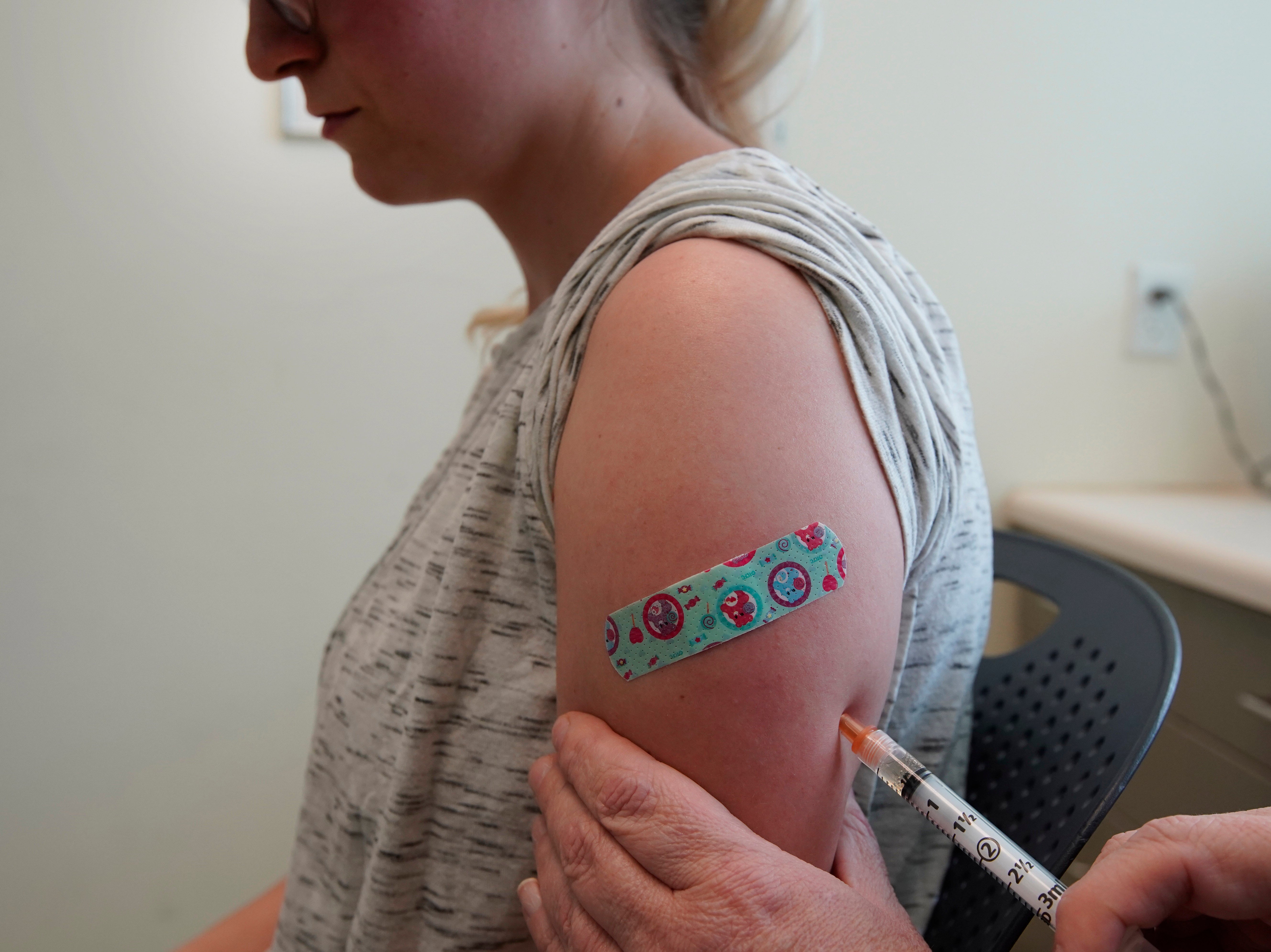
However, the best way to protect yourself from the measles virus is getting vaccinated and two doses of the vaccine offer 97 percent protection from infection, the CDC says.
That’s why Utah requires that public school students have two doses of the vaccine.
However, parents are allowed to opt out of those requirements for personal, religious or medical reasons, and politicians in Utah introduced now struck-down legislation to make that process even easier.
Utah’s non-medical exemption rate among young children – one of the most vulnerable groups for severe infection – is already higher than the national average, according to the Johns Hopkins Bloomberg School of Public Health.
Last year, it rose to second in the nation, but Idaho and Wisconsin are now the states with the lowest rate of measles vaccination among kindergarteners, a CDC map shows.
Overall, measles vaccination rates need to be above about 95 percent to of the virus.
Of the 1,748 cases nationwide, 92 percent of the patients were unvaccinated, according to federal data, four percent of whom had either just one vaccine dose or a breakthrough infection.
Fortunately, the number of weekly cases has fallen since the beginning of the year. There were 295 reported during the week of January 11 and just 10 reported for the week of April 12.
About the Author