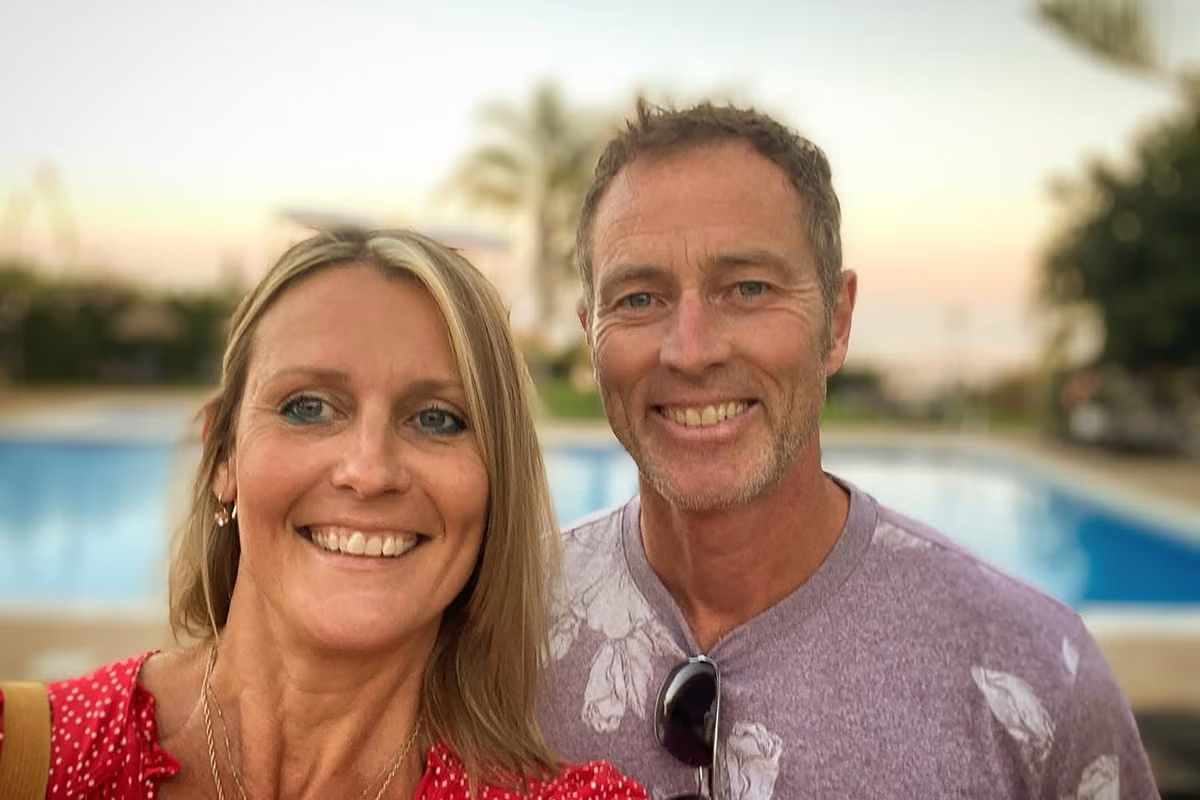
Fears are growing for a British couple detained in Iran who have not eaten in nearly two months after their contact with family was cut off.
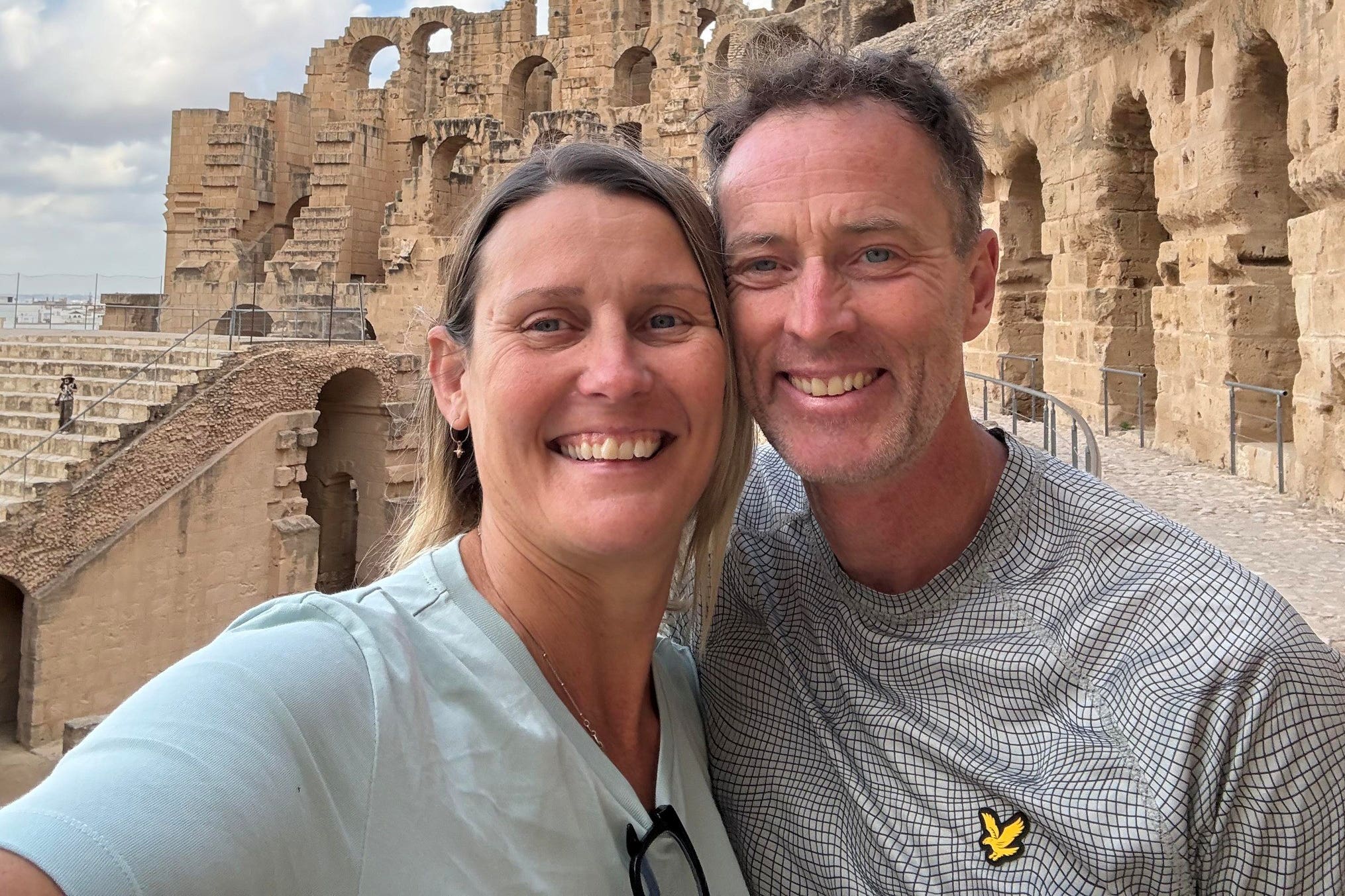
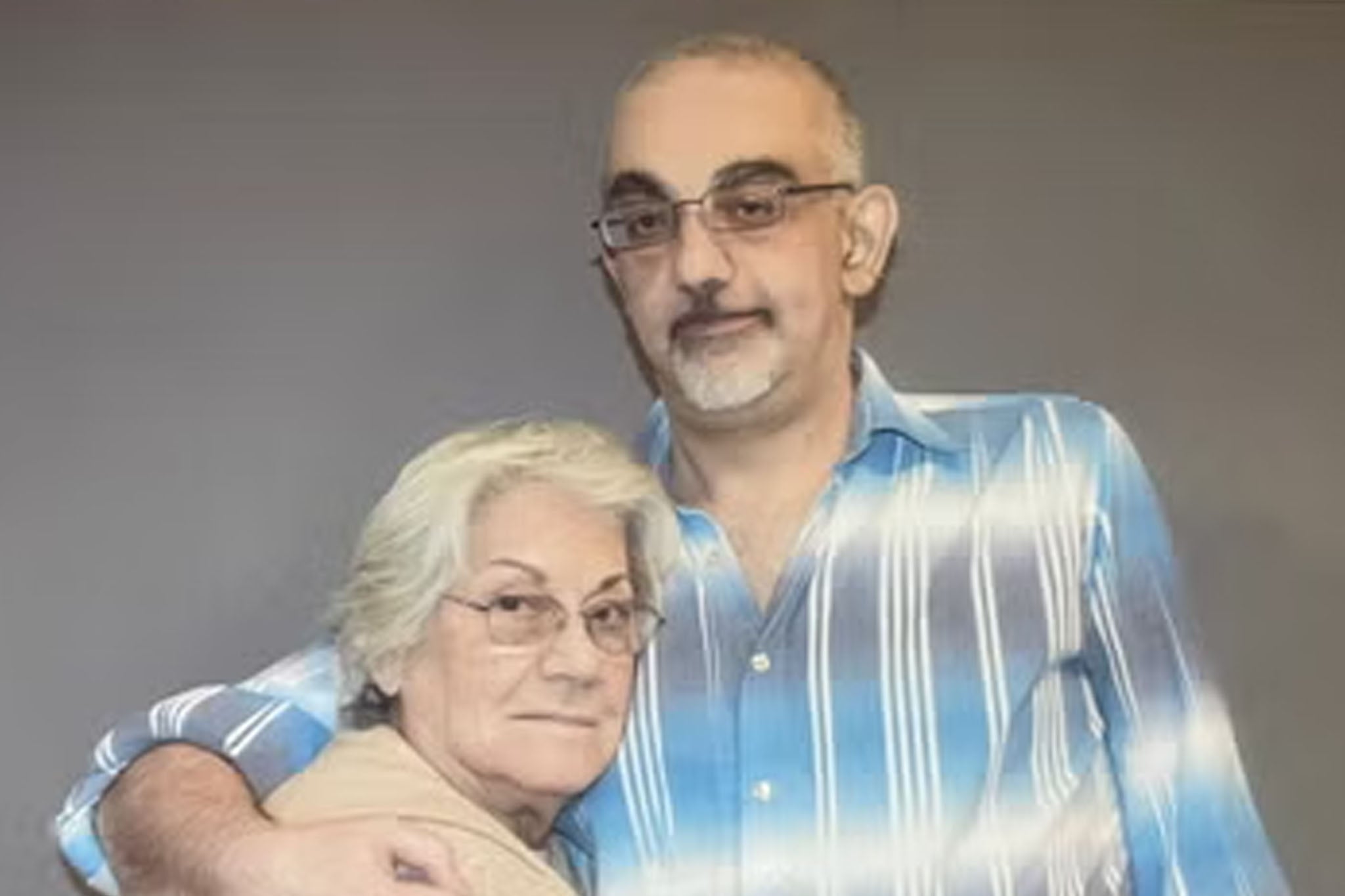
Craig and Lindsay Foreman, both 53, have been on hunger strike for 55 and 46 days respectively in protest at their treatment inside Iran’s notorious Evin prison.
The couple were arrested on a once-in-a-lifetime world motorbike tour 18 months ago, and were later sentenced to 10 years in prison on espionage charges, which they completely deny.
UN human rights experts have demanded their urgent release, and warned that their incarceration raises grave concerns about state hostage-taking, adding that their hunger strike has reached the stage of a “medical emergency”.
Friends and family are now so concerned for the couple’s wellbeing that they are drafting a letter, signed by loved ones, imploring them to halt their protest in order to protect their health.
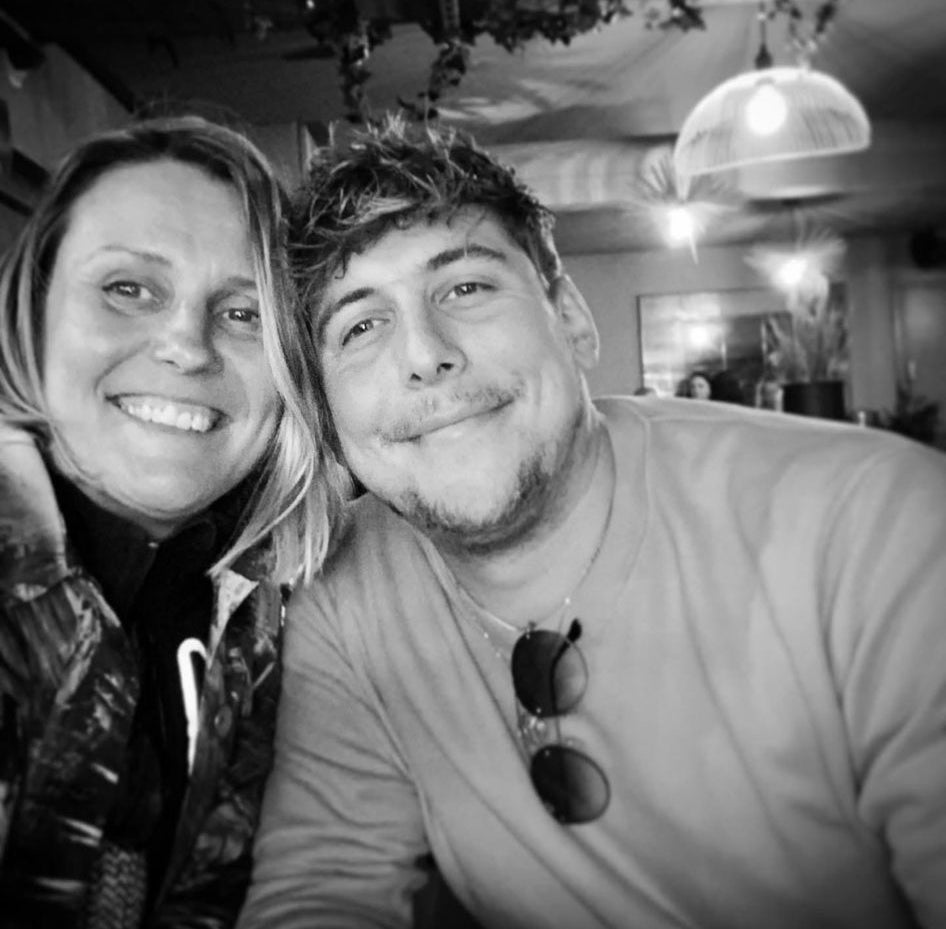
Lindsay’s son, Joe Bennett, told The Independent that he doesn’t “want to think about the worst happening”, adding: “My biggest concern is time. As each day passes, it’s a day closer to potential harm.”
Prolonged hunger strikes can lead to muscle wastage, organ damage, and, in the worst case, death. After several weeks without food, the body will likely have used up all of its fat reserves and begun to consume muscle tissue – which includes the heart – in order to survive. Nutritional deficiencies can also cause irreversible brain damage.
The Foremans have survived on just water, with a little milk and honey, since their strike began.
At a meeting with the British ambassador Hugo Shorter in mid-June, Ms Foreman was said to be alarmingly weak and much thinner.
Mr Bennett added: “The concern, for us, is that at some point we are going to get a call saying Craig or Mum has been hospitalised. It’s hard because we are just concerned for their health. It’s a hell of a long time that they have been on [hunger strike] now – [for] Craig [it’s] almost two months.
“Don’t get me wrong, the human body is incredible – it’s resilient and built for survival. I have done research on hunger strikes and what is needed for longevity, and no doubt my mum has done the same.
“As the days go on, family and friends grow more and more concerned that one day the body will say it can’t go on.”
Fears for the couple’s wellbeing have been compounded by weeks without proper contact, after their phone calls were cut off in May. The family have had to rely on snatched messages – which take weeks to arrive – to get basic information.
In a letter from Evin prison forwarded by a kind stranger last week, Ms Foreman revealed her dedication to what she called the couple’s “freedom fast”.
“We are continuing because we must expose the corruption and cruelty in this country,” she wrote. “The reality of the injustice thousands of innocent people are suffering every single day. We hope that our short-term, temporary suffering can contribute to a long-term, permanent solution to the injustice and lies endured by both Iranians and foreigners.
“We want to continue our mission to do good in the world, to fight for what is important in life – freedom, family and love.”
Ms Foreman insisted that her and her husband’s bodies will recover from the ordeal, and that they will live long, happy lives knowing they committed themselves to making a difference.
However, Mr Bennett hopes his mother and stepfather will reconsider once they have received the letter of intervention from their worried loved ones.
“Essentially, we want to make sure that they do come home and the worst doesn’t happen,” he said. “We will always respect their decision, because none of us will ever truly understand what it’s like to be in the situation they are in.
“I am hoping that this will have the impact that’s needed and they end up coming off of [hunger strike].”
He also hit out at a “baffling” lack of government action to help secure his parents’ release.
Last month, The Independent revealed that Iran is seeking the return of an Iranian national who has languished in a maximum-security British prison for 23 years, as the couple urged British officials to consider an exchange.
Mr Foreman believes that Richard Jan, an Iranian stalker held in Britain, could be the only “only avenue” to negotiating their release after his case was raised by their jailers in a consular meeting.
Jan’s incarceration was also raised in negotiations for the return of British-Iranian mother Nazanin Zaghari-Ratcliffe, who was detained for six years in Iran before she was finally freed after the British government settled a £400m arms debt with the country.
A UK government spokesperson insisted there was “no truth whatsoever to the claims of a potential exchange arrangement”. However, deputy prime minister David Lammy admitted that “arrangements can be made” when he was questioned about the issue on Sky News.
.jpeg)
Despite Mr Lammy’s comments, Foreign Office officials have continued to insist, in meetings with the Foreman family, that there is no credibility to the idea.
“I don’t know what is needed to turn the dial for them to address this,” Mr Bennett said, as he called for urgent action to help his family. “We want to see advocacy for them,” he said. “They [the government] haven’t had the backbone to call it arbitrary detention. We have a UN special rapporteur calling it hostage-taking.”
He added: “I think they should be embarrassed that they are not doing more, and that they are not being more authoritative.”
The Independent has contacted the Foreign Office for comment.
About the Author