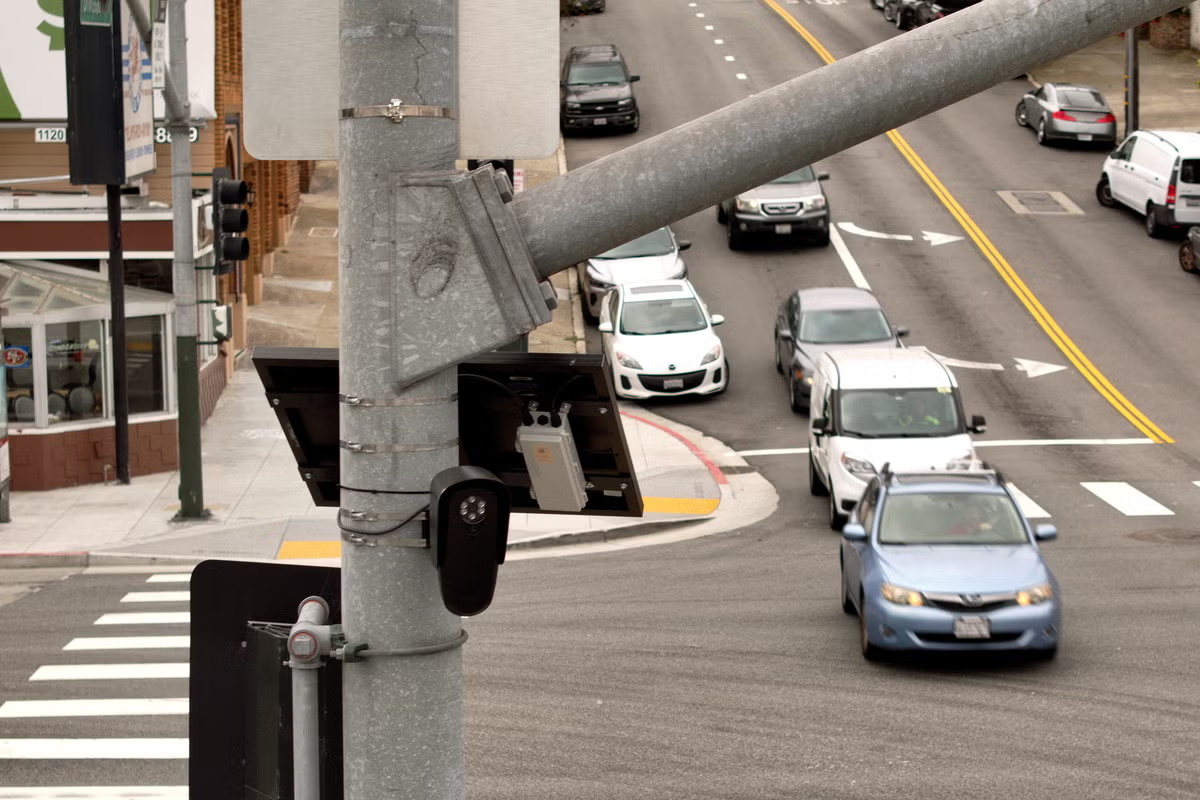
Some license plate cameras equipped with special sensors can collect a lot more information about drivers than previously thought, according to a new report.
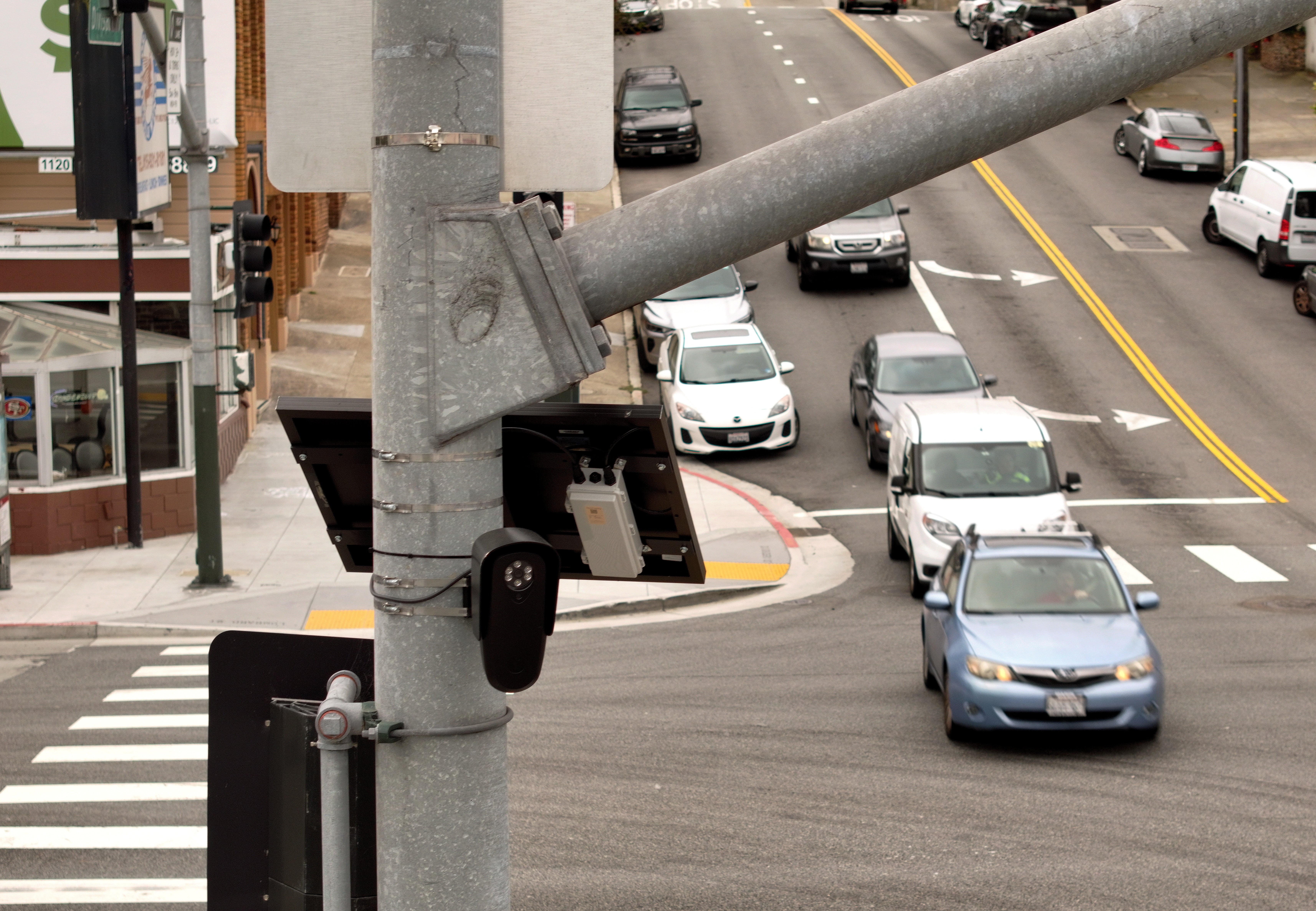
One product, defense contractor Leonardo’s SignalTrace system — which produces sensors that can be fitted to existing license plate readers — can collect unique identifiers attached to phones, AirPods, and other Bluetooth-enabled devices, according to 404Media.
That would potentially allow law enforcement the ability to not only collect a license plate and identify who the car is registered to, but also collect information identifying the driver and anyone else in the car carrying a phone or similar device.
SignalTrace also advertises that it can detect non-contact RFID devices, like air-pressure sensors, work badges, or even pet microchips.
“The data collected shows what group of devices are travelling together,” according to Leonardo’s website. “As part of investigations, algorithms can determine which specific mix of devices are predictably moving together. That specific mix of devices—linked by common time stamps and locations—are described as an electronic fingerprint and can aid in the identification of suspects or witnesses.”
In other words, Leonardo collects the identifiers of devices, and a car’s license plate and other identifying information, feeds them into an algorithm, and if multiple devices are traveling together, it will create a link between the owners of the devices and the vehicle.
All of that data is then stored at Leonardo’s Enterprise Operations Center for future use, presumably by law enforcement agencies, according to InsideEVs. The Independent has requested comment from Leonardo.
What’s more, Leonardo advertises that its sensors don’t have to be connected to a license plate reader to collect data on people, and that they can be used in other contexts, like “off-road and non-traffic environments such as rail stations, event venues, and shopping centers.”
Leonardo’s primary customer base is police, border security, and other government agencies, according to the report.
The sensor technology adds a new layer to the debate over whether or not ALPRs — automatic license plate readers — constitute mass surveillance and a threat to public safety.
The Electronic Frontier Foundation has warned that massive repositories of people’s identifying data will no doubt become prime targets for cybercriminals.
“When law enforcement uses ALPRs to document the comings and goings of every driver on the road, regardless of a nexus to a crime, it results in gargantuan databases of sensitive information, and few agencies are equipped, staffed, or trained to harden their systems against quickly evolving cybersecurity threats,” the foundation said in a report.
It cited an advisory issued by the Cybersecurity and Infrastructure Security Agency (CISA) warning that one ALPR system had numerous security flaws that could potentially be exploited by criminals.
“The bulletin outlines seven vulnerabilities in Motorola Solutions’ Vigilant ALPRs, including missing encryption and insufficiently protected credentials,” the report said.
Leonardo said in a press release that while its tech “captures device frequencies emitted into the air,” it “does not decrypt or capture the contents of the devices or their communications.”
So while ICE agents may not be able to read your texts, they’ll know exactly who you’re traveling with, where you live, what cars you travel in, and potentially whether or not your dog is home.
About the Author