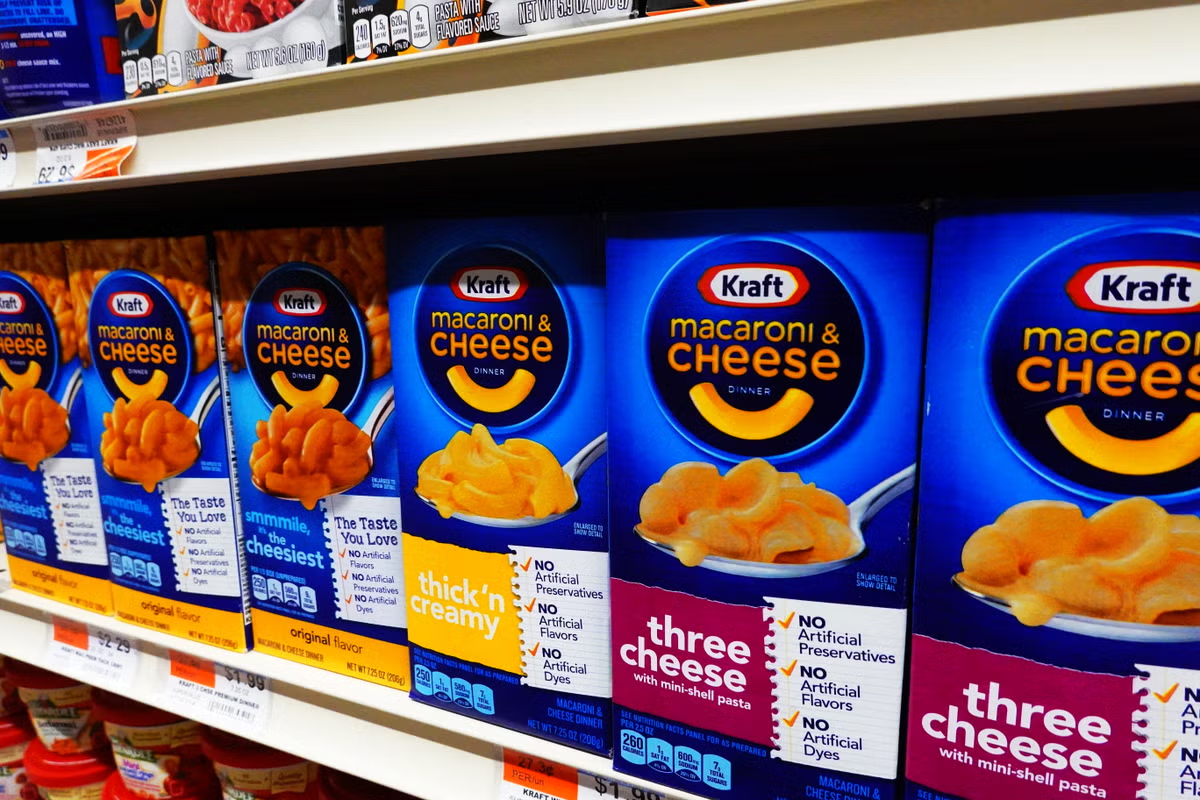
Kraft Heinz is the latest major company to focus more heavily on “value” for shoppers, as its new CEO Steve Cahillane responds to ongoing concerns about affordability for many Americans.
The packaged food and beverage giant – one of the biggest in the world – had previously been considered for a breakup, but is instead trying to turn things around from within, with Cahillane arguing that the company can be fixed without splitting it apart.
Cahillane, now some five months into the job, was originally expected to oversee a major restructuring. Instead, he quickly reversed course and convinced the board to invest $600 million back into the business. He described that funding as “dry powder”The Wall Street Journal in an article published Wednesday.
A major part of the strategy is making Kraft Heinz products more affordable. That includes lowering prices on certain items that had become too expensive for shoppers, expanding promotional deals, and introducing smaller package sizes at lower price points to better match what consumers can spend right now.
“Consumers are literally running out of money toward the end of the month,” Cahillane told the outlet. “Being there with the right offering at the right time has never been more important.”
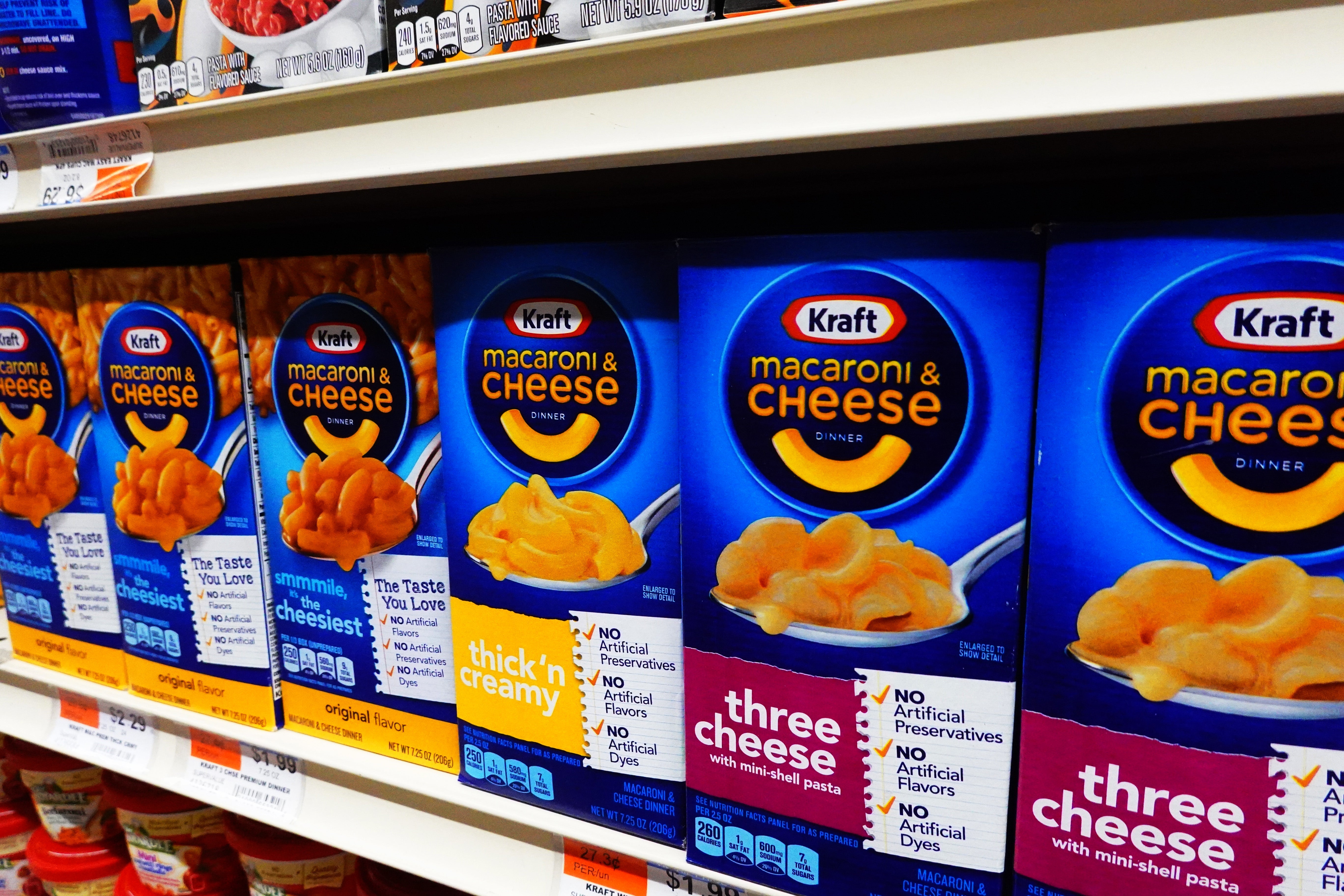
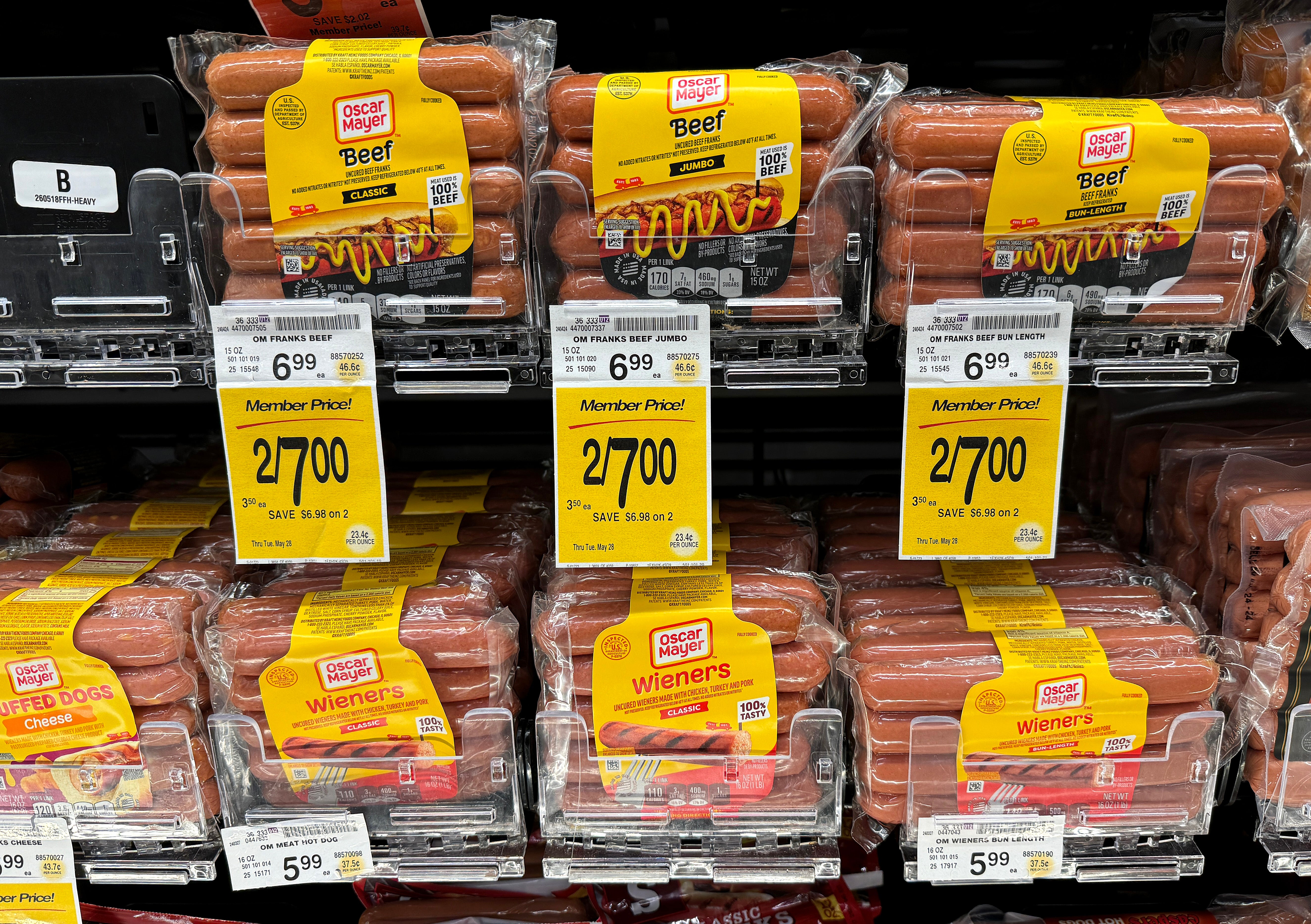
Kraft Heinz has a massive portfolio of more than 200 brands, with its core business centered on condiments, sauces, cheese, dairy, prepared meals and snacks. Besides its namesake, the company’s other best-known names include Philadelphia Cream Cheese, Oscar Mayer, Lunchables, Velveeta, Capri Sun, Kool-Aid and Maxwell House.
Cahillane said the company is reviewing each item, comparing it to similar products from competitors and store brands, and adjusting as needed, rather than making broad changes. In some cases, like upgraded products such as Capri Sun Hydrate, Cahillane said the company is choosing not to charge more just because there are extra benefits. Instead, it will keep the price similar to the regular version to stay competitive with other brands.
Kraft Heinz is also working to improve its meat products, which Cahillane described as a “leaky bucket,” by fixing packaging issues. The focus is on making items like cold cuts easier to reseal, longer-lasting in the fridge, and more appealing on store shelves.
At the same time, Cahillane warned that new global conflicts, such as the war in Iran, could add more inflationary pressure. The grocery industry is already struggling because years of price increases have hurt sales volumes, he said, as consumers simply can not keep up.
“Seeing another wave of inflation is not what anybody wants to see, and nobody wants to be out there taking more price [increases], but it’s just the world that we live in—we have to be prepared for what could be yet again another unprecedented event,” Cahillane said. “Nobody had in their plan a war in the Middle East.”
The Independent has contacted Kraft Heinz for further comment.
About the Author