Want to bookmark your favourite articles and stories to read or reference later? Start your Independent Membership today.
Already a member?
Log in
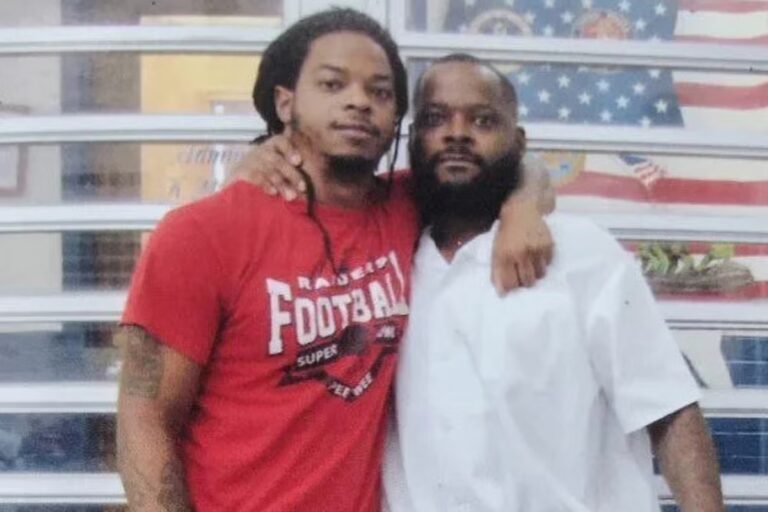
Alabama Gov. Kay Ivey on Tuesday commuted the death sentence of a death-row inmate after a number of former public officials, and the current district attorney, raised doubts about his conviction.
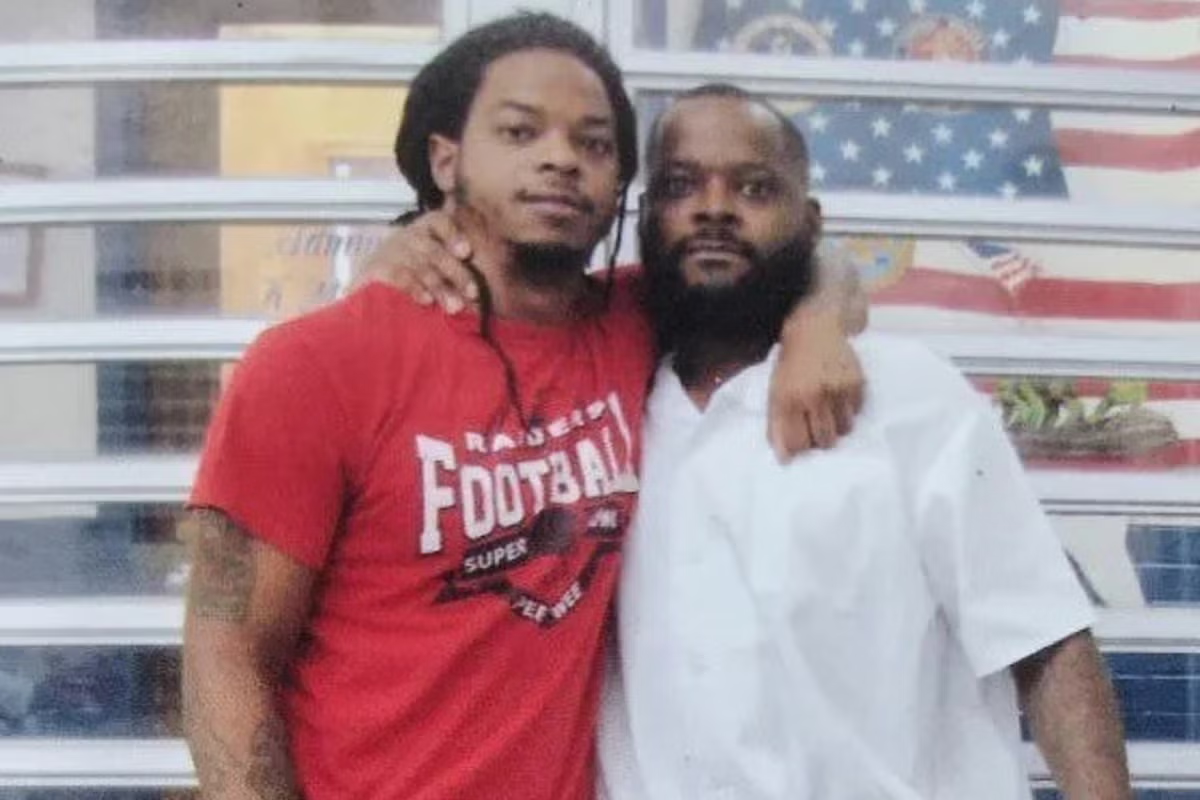
The Republican governor said she was commuting Toforest Johnson’s death sentence to life in prison without parole. Johnson was convicted of the 1995 murder of Jefferson County Deputy Sheriff William Hardy. Johnson has long maintained he is innocent.
“When presented with Mr. Johnson’s case, I had concerns there was not enough direct evidence to carry out the most serious punishment, death,” Ivey said in a statement. “My decision is not a determination of innocence, but a recognition that the circumstances of this case justify commuting his death sentence to life imprisonment, without possibility of parole.”
Ivey has overseen 27 executions during her time as governor. She has commuted the death sentence of three death row inmates.
Hardy was shot twice in the head while working off-duty security at a hotel. Johnson has maintained he was on the other side of town at the time of the shooting.
Ty Alper, one of Toforest Johnson’s attorneys, said they are grateful to Ivey for “diligently reviewing Toforest’s case and taking action to spare an innocent man from execution.” Alper said the fight to overturn the conviction will continue.
“Toforest Johnson is innocent. Now it is up to the courts to overturn his conviction and grant him a new trial. We will keep fighting until he is home with his family,” Alper said.
There has been a long-running legal effort to win a new trial in the case that has garnered national attention and was the subject of a podcast. Jefferson County District Attorney Danny Carr, who was elected in 2018, has supported Johnson’s bid for a new trial. Carr wrote in a 2024 court filing that the “evidence in this case has unraveled over 20 years.”
Carr said in 2024 that credible alibi witnesses place Johnson elsewhere at the time of the crime. He said there are multiple reasons to doubt the key prosecution witness, a woman who “claimed she overheard Johnson confess to the murder on a three-way phone call on which she was eavesdropping.”
The key prosecution witness at Johnson’s 1998 trial testified that, while eavesdropping on a phone call, she heard a man she believed was Johnson admitting to the crime. She was paid $5,000 in 2001 for her testimony, and Johnson’s lawyers argue that the state withheld evidence of monetary motivation for the testimony.
A number of former judges and prosecutors have joined those seeking a new trial for Johnson amid questions about his conviction more than 20 years ago. Former Alabama Attorney General Bill Baxley, former Chief Justices Sonny Hornsby and Drayton Nabers, and several former judges and prosecutors have submitted briefs or written editorials supporting a new trial.
About the Author