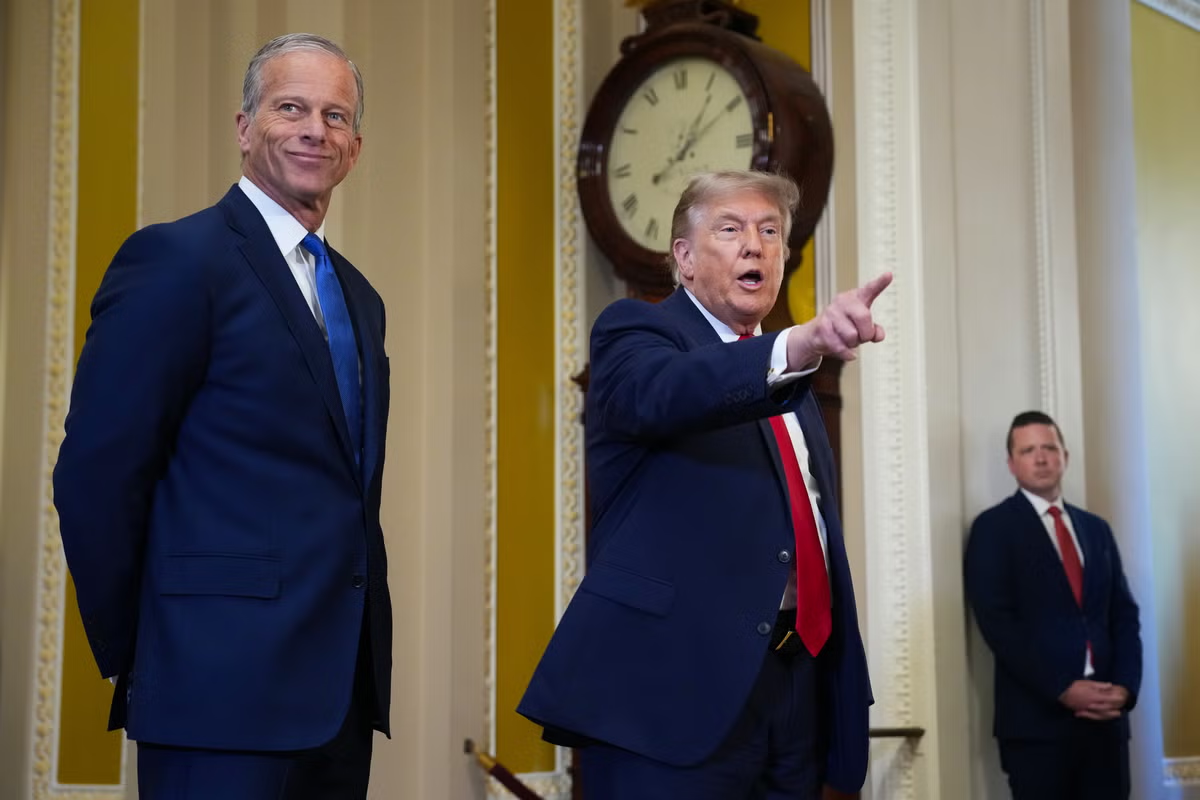
Senate Majority Leader John Thune and other senior Republicans are pushing back after Donald Trump demanded Monday that they cancel the chamber’s month-long August recess and stay in town to pass voter ID legislation.
Trump, in a Truth Social post earlier in the day, reiterated his call for senators to stay in town for August to pass the SAVE America Act, a piece of voter ID legislation he wants to see implemented before the midterm elections. He demanded that Thune and the GOP caucus terminate the legislative filibuster to accomplish this goal, something Thune insists he will not do and does not have the votes to accomplish.
The GOP Senate leader and other Republicans made frustrated comments to reporters on Monday claiming that Trump oversold the Senate’s ability to pass voter ID legislation to Republican voters, and refusing to stay in town to take up legislation that could not pass a 60-vote filibuster threshold.
Thune was clearly on the edge of his patience with the White House as he spoke to reporters on Monday.
“We could stay here ‘til Christmas,” said the Republican leader. “Democrats aren’t voting for this, I’m just telling you. And Republicans are not getting rid of the legislative filibuster.”
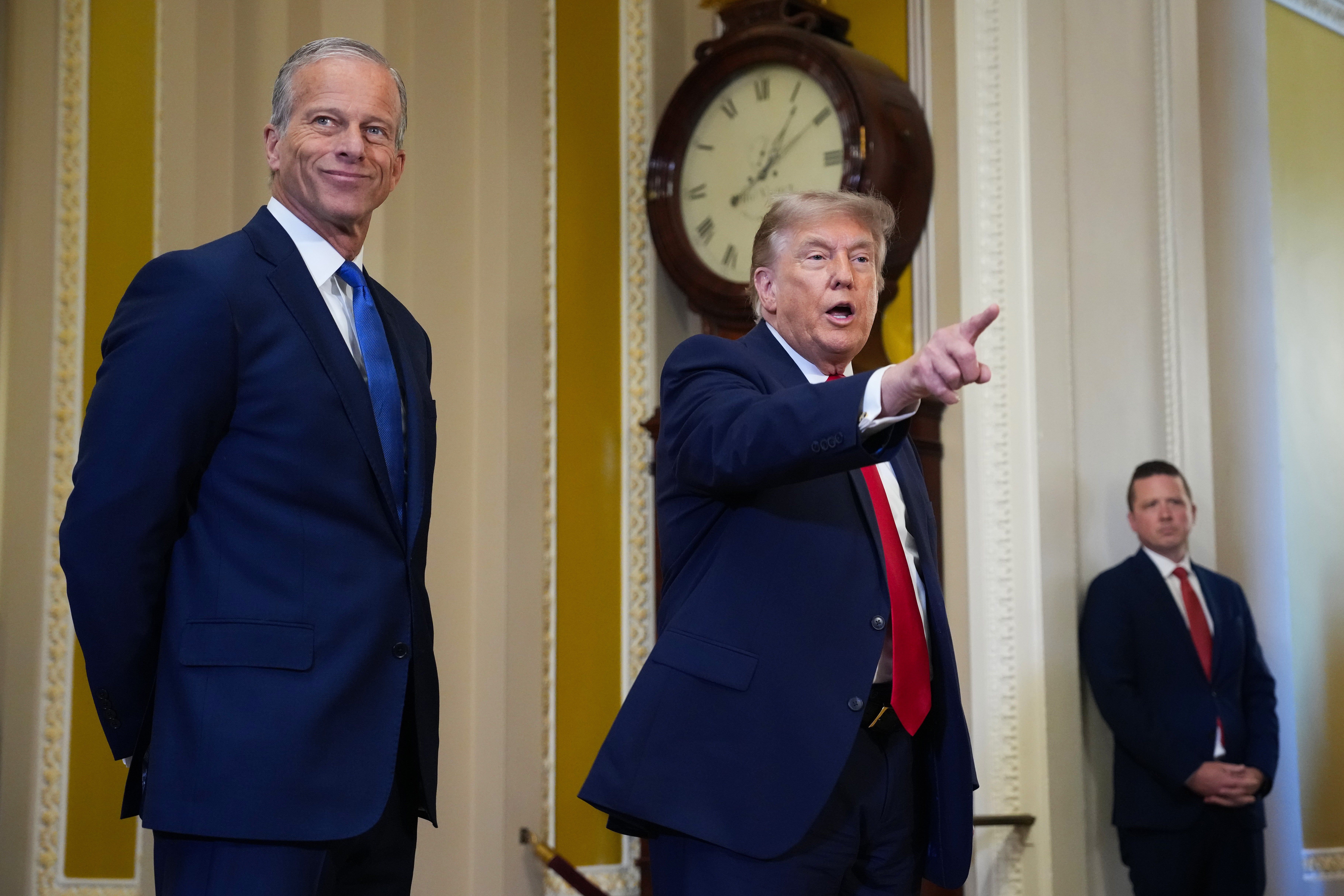
“If I thought there was a path to getting a result, I’m all for it,” he added of cancelling the August recess. “But if we are going to be sitting here and in endless quorum calls, I don’t know if that’s in anybody’s best interest.”
Other senators were blunt about how the president had promised to voters a virtual impossibility: the passage of hyperpartisan legislation through the Senate without any formal effort to bring Democrats on board, or even any signs of interest from the opposition party — to say nothing of the bill’s support within the GOP caucus itself.
“Unfortunately, with the assistance of some senators, he’s raising expectations among Republican voters. They’re bound to end up being disappointed, which strikes me as a bad approach 99 days before the midterms,” said Sen. John Cornyn.
Cornyn also had harsh words for Sen. Mike Lee, a Utah Republican and chief booster of the SAVE America Act who many on the Hill blame for selling Trump on his current course of action.
The Senate is now squarely in campaign mode, with a third of the chamber up for re-election this year. Members traditionally use the August recess to push those campaigns into full gear, often completing statewide tours and leaning heavily on efforts to sell their congressional records to voters. Cancelling the August recess would put Republicans in several vulnerable seats, including Alaska, Maine, Nebraska and Ohio, at a disadvantage as their opponents would receive more time to make their cases unchallenged, save for what the NRSC can blanket the airwaves with.
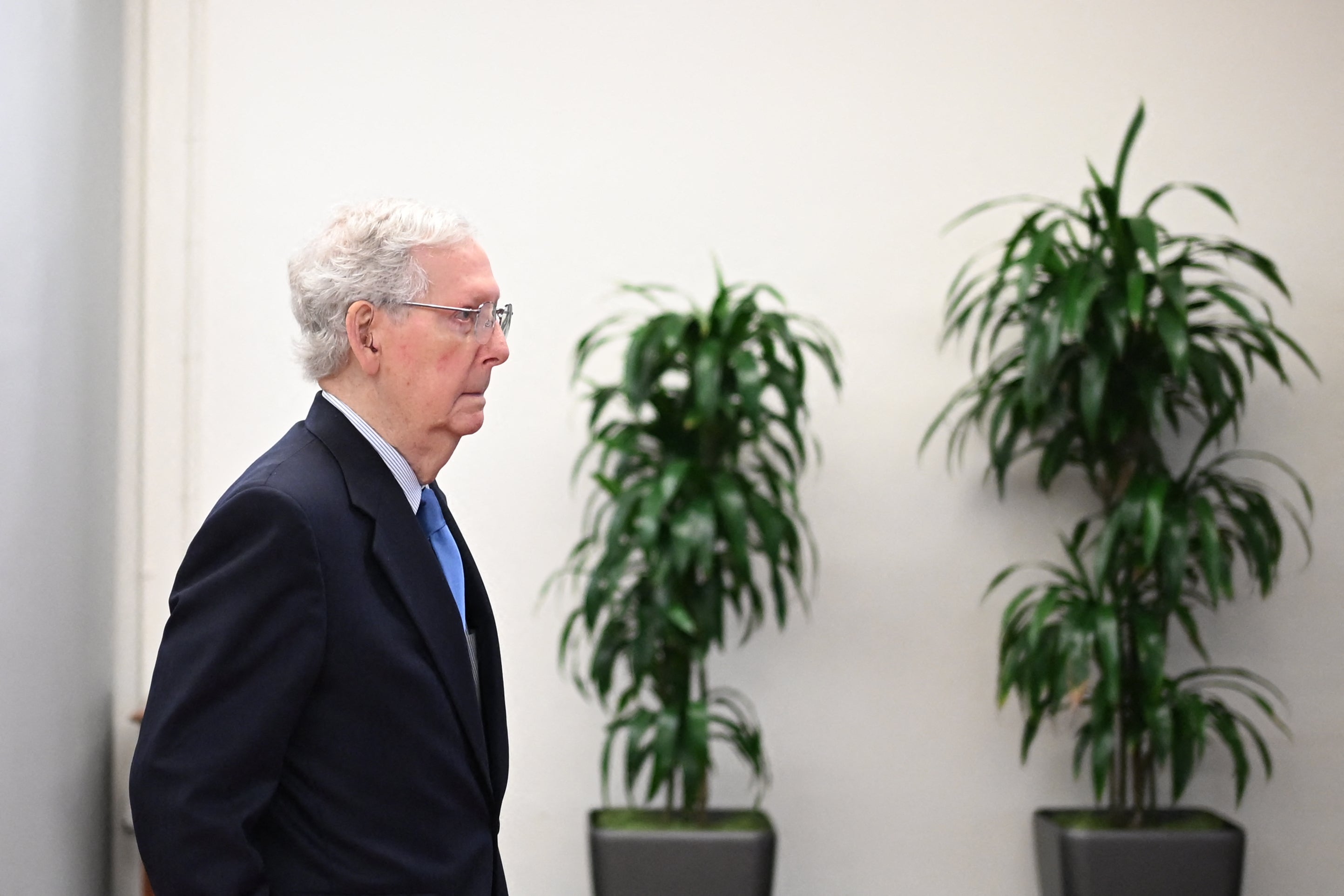
Former Senate leader Mitch McConnell cancelled the August recess in 2018, faced with a backlog of federal nominations being slow-walked by Democrats and with the knowledge that it could disadvantage the comparatively larger number Democratic incumbents facing tough races that year. Four Democratic incumbents lost their seats in the Senate that cycle, compared to two Republicans.
This year, however, Senate Republicans are on the back foot in the midterms and find themselves facing the opposite dynamic. Just one Democratic incumbent, Jon Ossoff, faces a significant challenge to his re-election bid and his opponent has failed to gain ground against the senator while the Georgia senator remains talked-about as a potential presidential contender. Several Republican incumbents are embroiled in tough races, and the campaign map shifted further in favor of Democrats with the defeat of Cornyn in a Republican primary and the decision of Sen. Thom Tillis to not seek re-election.
Susan Collins, one of those senators facing a fight for her political survival, was strongly opposed on Monday to cancelling the August recess.
“I think staying in doesn’t change what would happen on the SAVE Act. I don’t see how you get to 60 votes on it, and I say that as someone who supports the House-passed version of the SAVE Act, which requires proof of citizenship so that only Americans vote in American elections,” said Collins.
About the Author