
The war in Iran looked at risk of escalation again as Donald Trump dismissed Tehran’s latest peace proposal, undermining hopes the 10-week-old conflict would end soon.
“I don’t like it — TOTALLY UNACCEPTABLE,” the US president wrote on social media to end a week of cautious diplomacy around a new push to end the war.
The latest Iranian response, sent to mediator Pakistan on Sunday, focused on ending the double blockade around the Strait of Hormuz, lifting American sanctions and drafting guarantees to end the war permanently.
Iran’s foreign ministry maintained on Monday that its demands were “generous” and “legitimate”, showing no signs of backing down despite Trump’s furious reaction, as fears of the war reopening pushed oil prices surging towards $100 per barrel.
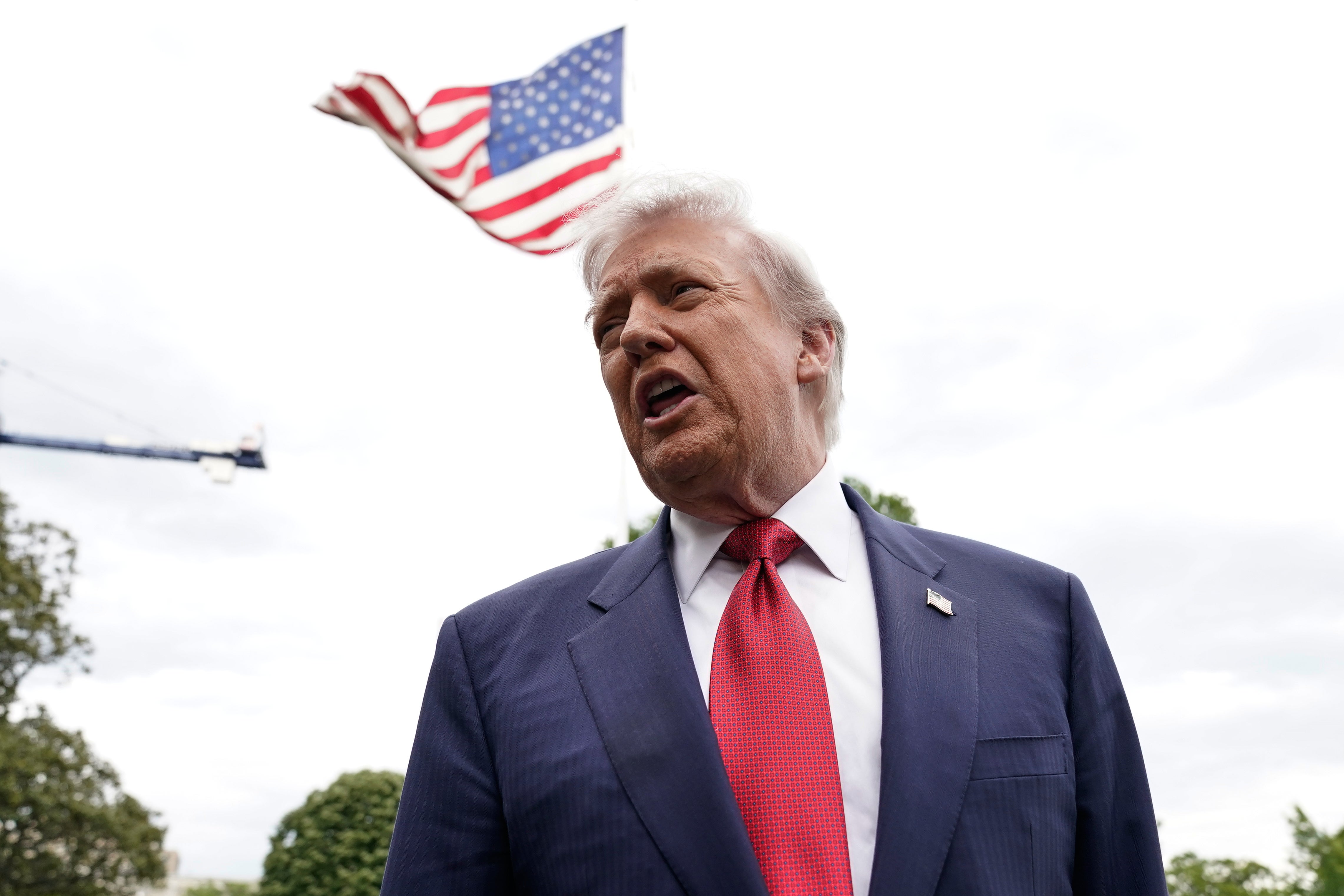
Trump threatened last week that Iran would be bombed at a “much higher level and intensity than it was before” if it did not agree to terms – but faces pressure at home to wind down the conflict and seek approval from Congress to continue strikes.
With no clear end to the war in sight, The Independent reviews the key sticking points still blocking a peace deal.
What are the latest demands?
Iran on Sunday gave a clear response to a reported 14-point American plan to end the war.
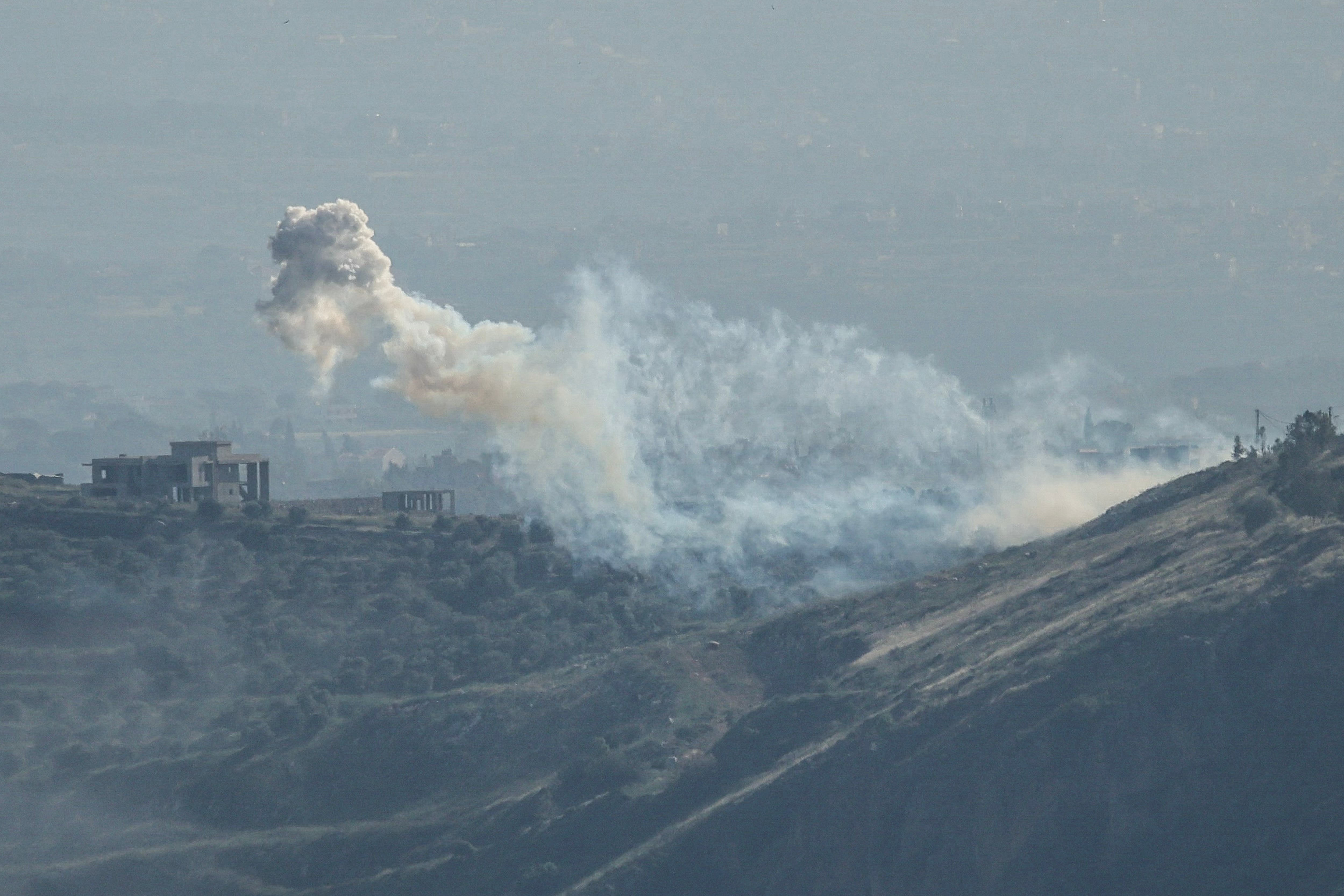
The response focused on ending the war on all fronts, especially in Lebanon, where Israel continues to clash with Iran-backed Hezbollah.
Tehran also sought to lift the American blockade squeezing traffic in and out of Iranian ports at an estimated cost of $435m per week.
It lastly demanded compensation for war damage and urged the lifting of sanctions, something the US has offered in the past in return for limits on Iran’s nuclear programme.
“Our demand is legitimate: demanding an end to the war, lifting the (U.S.) blockade and piracy, and releasing Iranian assets that have been unjustly frozen in banks due to U.S. pressure,” Foreign Ministry spokesperson Esmaeil Baghaei said.
“Safe passage through the Strait of Hormuz and establishing security in the region and Lebanon were other demands of Iran, which are considered a generous and responsible offer for regional security.”
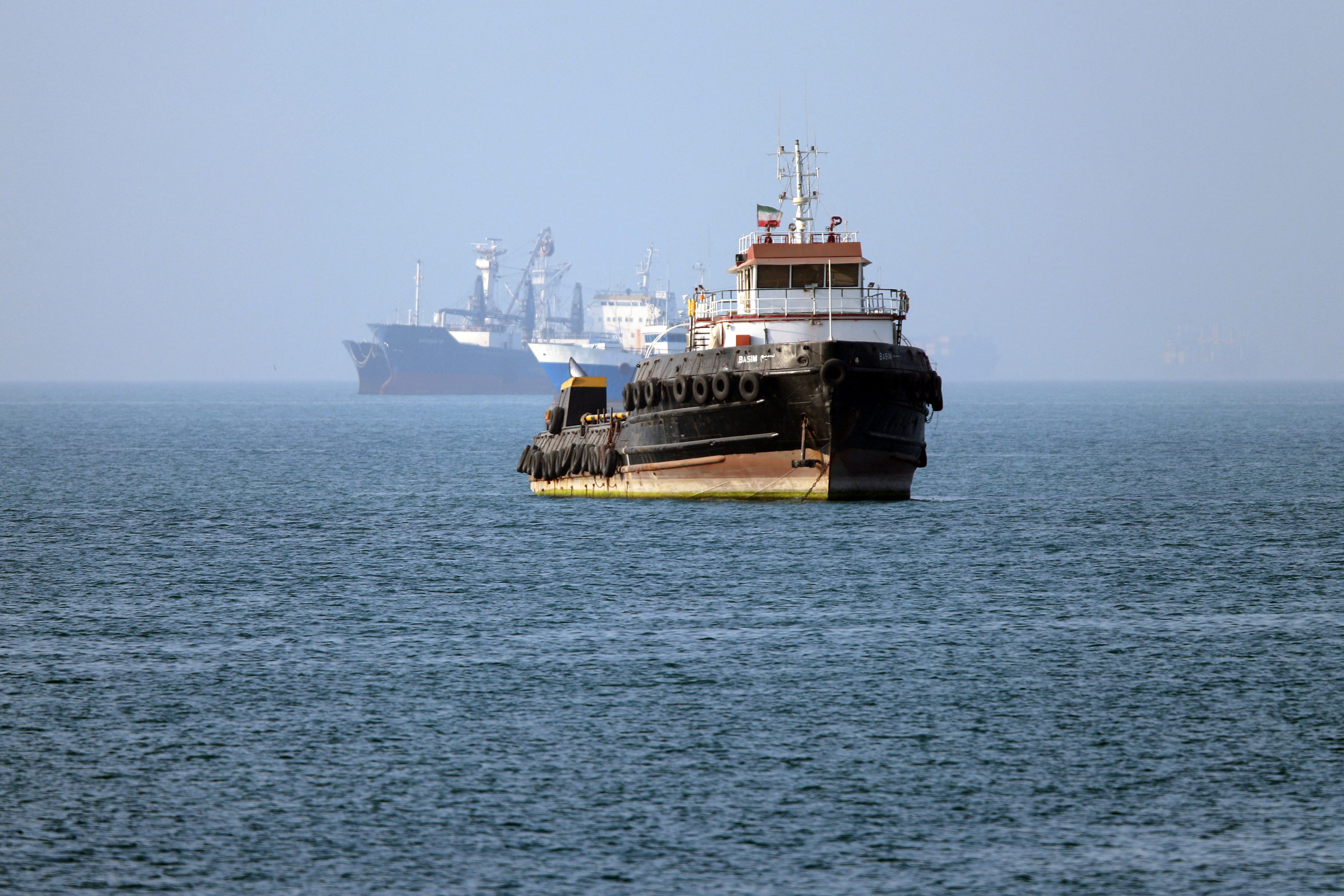
Iran’s response emerged on Sunday, after the United States reportedly put forward a 14-point memo to end the war and begin a 30-day negotiation period to hash out a detailed agreement on a peace deal.
According to reports, the American proposal aimed at lifting the costly blockades and promised sanctions relief and the release of billions of dollars in Iranian funds frozen around the world.
Still, key questions remain with the US keen to tackle the nuclear dispute underlying the conflict, and Iran eyeing post-war control of the Strait of Hormuz, an international waterway and one of the most critical chokepoints in the world.
Iran’s nuclear programme and sanctions relief
Iran’s nuclear programme is the lingering issue that had troubled American negotiators in talks before the conflicted erupted on 28 February.
On the eve of the war, Iran had agreed to convert its existing enriched uranium into fuel, abandoning its stockpiles and committing to “never, ever” hold the nuclear material needed for a bomb, according to Omani mediators.
But ten weeks on, the demands have changed; the latest US plan proposed a temporary moratorium on enrichment, allowing limited enrichment for civilian use after several years, according to American outlet Axios.
The 14-point US plan also sketched provisions for the UN’s nuclear watchdog to carry out snap inspections of Iranian sites, while Iran would give up its underground facilities and agree to move all of its enriched uranium out of the country, according to reports.
In return, the US has offered to lift sanctions on Iran and release billions of dollars in frozen funds.
The US had proposed prioritising an end to the war, opening up a 30-day window to tackle the thorny nuclear issue in separate talks, according to reports.
But Iran, while keen to end the conflict and the parallel war in Lebanon as a matter of priority, pushed for sanctions relief and compensation before sitting down for talks, according to Iranian media.
Israeli prime minister Benjamin Netanyahu said the war was not over because there was “more work to be done” to remove enriched uranium from Iran, dismantle enrichment sites and address Iran’s proxies and ballistic missile capabilities.
The Strait of Hormuz
While the war in the Middle East is held to a truce in name, recent days have witnessed an uptick in clashes in the Strait of Hormuz, with both Iran and the United States upholding their blockades on maritime traffic for leverage.
In its latest proposal, Tehran demanded that the US end its blockade and “piracy” in the waterway, with the US Navy still blocking Iranian ports and tankers at massive expense to the Iranian economy.
It also sought compensation for war damage and emphasised sovereignty over the Strait, according to Iranian state TV.
In its latest reported offer, the US was still pushing for the international waterway to be fully opened up for commercial shipping, ending the Iranian blockade of the Strait.
The UN Convention on the Law of the Sea says countries bordering straits cannot demand payment simply for permission to pass through.
The US had suggested both sides could de-escalate gradually through the 30-day window, withdrawing forces from the Gulf region while diplomats address more contentious issues.
A ceasefire for Lebanon
Iranian state media reported that Tehran’s latest response emphasised the need to end the war on all fronts, especially in Lebanon, where proxy group Hezbollah continues to clash with Israeli forces.
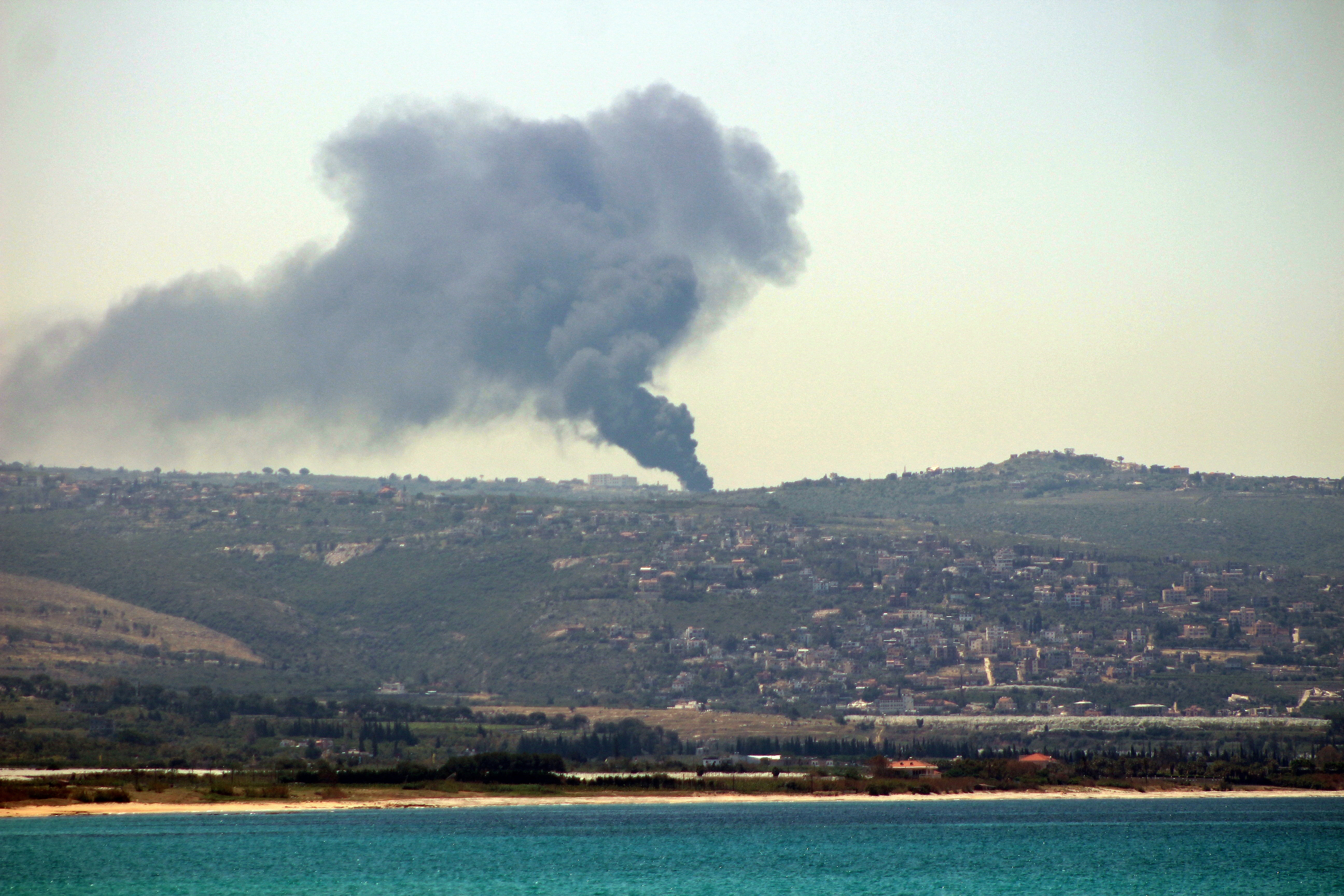
Fighting has continued in southern Lebanon between Israel and Hezbollah, despite a US-brokered ceasefire there announced on April 16.
An end to hostilities with Iran would not necessarily bring an end to the war in Lebanon, Netanyahu said in a ‘60 Minutes’ interview aired over the weekend.
About the Author