Zolghadr position goes beyond parts of the June 17 US-Iran memorandum of understanding.
Published On 9 Aug 2026
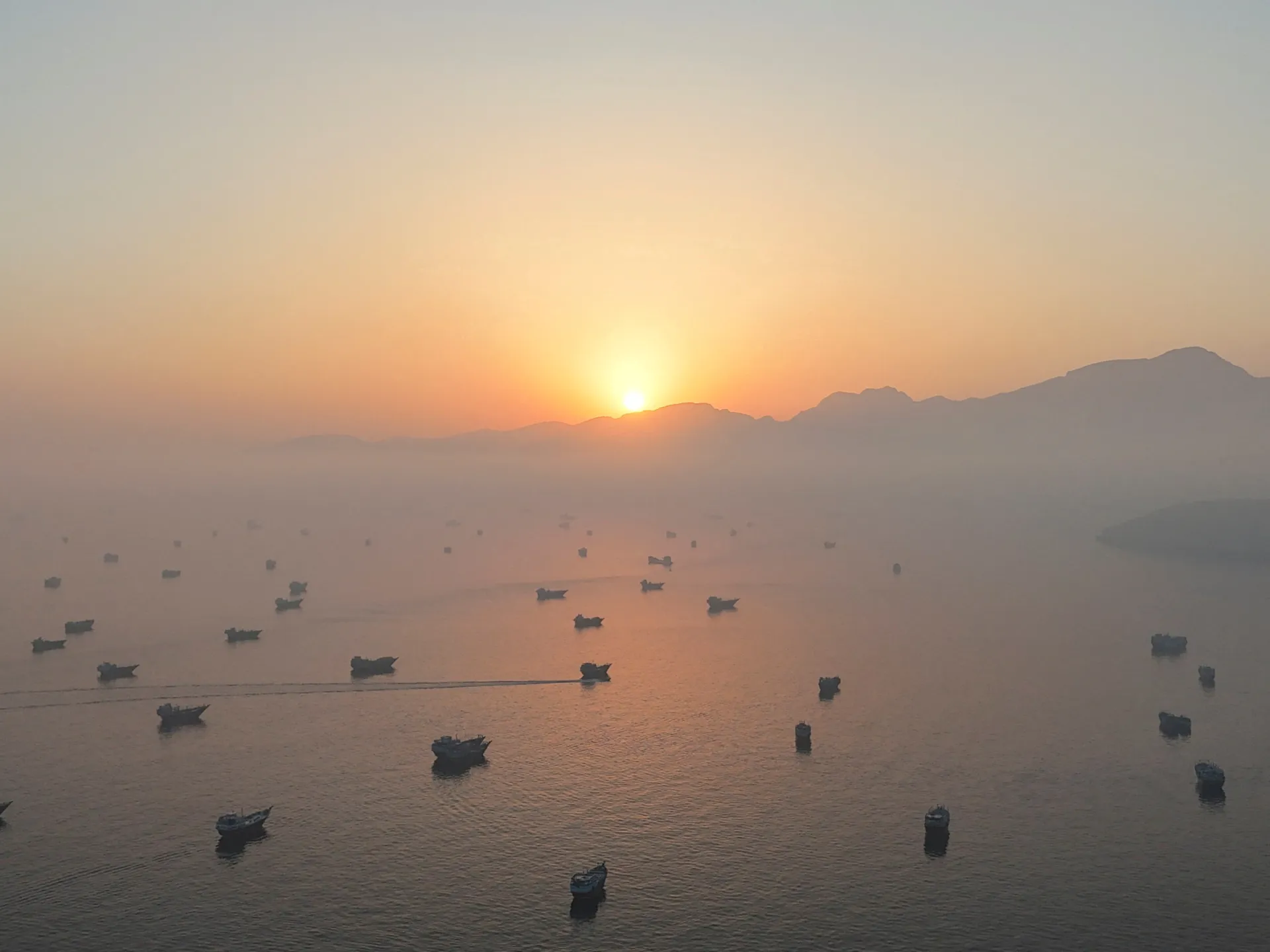
Iran’s Supreme National Security Council has set out new conditions it says the United States must meet before the Strait of Hormuz can fully reopen.
Mohammad Bagher Zolghadr, secretary of the council, said on Saturday that the strait would remain closed until Washington “corrects its behaviour” in a statement published by Iran’s state broadcaster IRIB.
Recommended Stories
list of 4 itemsend of list
The six conditions include an end to US threats against Iran and insults to what Zolghadr described as the country’s national and religious values; a permanent end to attacks against Iran and its allies in Lebanon, Palestine, Yemen and Iraq; the lifting of the US naval blockade and withdrawal of US naval and air forces from around Iran; compensation for damage from what he called two “imposed wars”; the lifting of sanctions; and the unconditional release of frozen Iranian assets.
Iran’s Islamic Revolutionary Guard Corps (IRGC) also said on Saturday that reopening Hormuz depended on Washington accepting the conditions and was separate from negotiations between Iran and Oman.
“Whenever the United States accepts Iran’s conditions, the Strait of Hormuz will certainly be reopened,” IRGC spokesperson Hossein Mohebbi was quoted as saying by the semiofficial Tasnim news agency.
New conditions go beyond June memorandum
The six conditions Zolghadr listed broaden the terms Iran now says must be met before Hormuz can reopen, tying the waterway to a more expansive set of political, military and economic demands than those set out in the June memorandum.
Most notably, they explicitly included Palestine, Yemen and Iraq alongside Lebanon in calling for an end to attacks against Iran and its allies. They also demanded an end to US threats and what Zolghadr described as insults to Iran’s national and religious values.
The conditions also call for the withdrawal of US naval and air forces from around Iran, full compensation for damage from what Zolghadr called two “imposed wars”, the lifting of sanctions and the unconditional release of frozen Iranian assets.

While some of these issues appeared in earlier proposals, the Reuters news agency reported that the June memorandum treated them as part of a reciprocal and phased process. Zolghadr is now presenting them as conditions Washington must meet before the strait can fully reopen.
That also differs from Washington’s latest position. An unnamed US official told Reuters on Friday that the blockade of Iranian ports would be lifted once commercial shipping through Hormuz was restored “without impediments”, with US steps tied to Iran carrying out its commitments.
Pezeshkian says now is ‘best time for agreement’
Meanwhile, President Masoud Pezeshkian has backed efforts to reach an agreement, saying at a news conference with journalists broadcast by IRIB that he believed “now is the best time for an agreement”.
“There is cohesion, strength and unity in the country, and as far as I know, Iran is considered victorious and powerful in this war,” he said.
![Iranian President Masoud Pezeshkian delivers remarks in Tehran, Iran on August 03, 2026. [Iranian Presidency / Handout - Anadolu Agency]](https://www.aljazeera.com/wp-content/uploads/2026/08/AA-20260804-42135315-42135313-IRANIAN_PRESIDENT_MASOUD_PEZESHKIAN-1785861923.jpg?resize=770%2C513&quality=80)
Pezeshkian said Tehran and Washington should have established a mechanism for dealing with alleged violations of their earlier memorandum rather than allowing disputes to return to military confrontation.
“We need to see how to resolve them now, if a solution is possible, which is currently being worked on in the Oman negotiations,” he said, adding that he hoped Iran could move beyond the current state of “neither war nor peace”.
About the Author