Some would-be immigrants from the Dominican Republic now have to post bonds of up to $250,000 each under a Trump administration initiative to keep them from collecting government benefits in the U.S., according to reports.
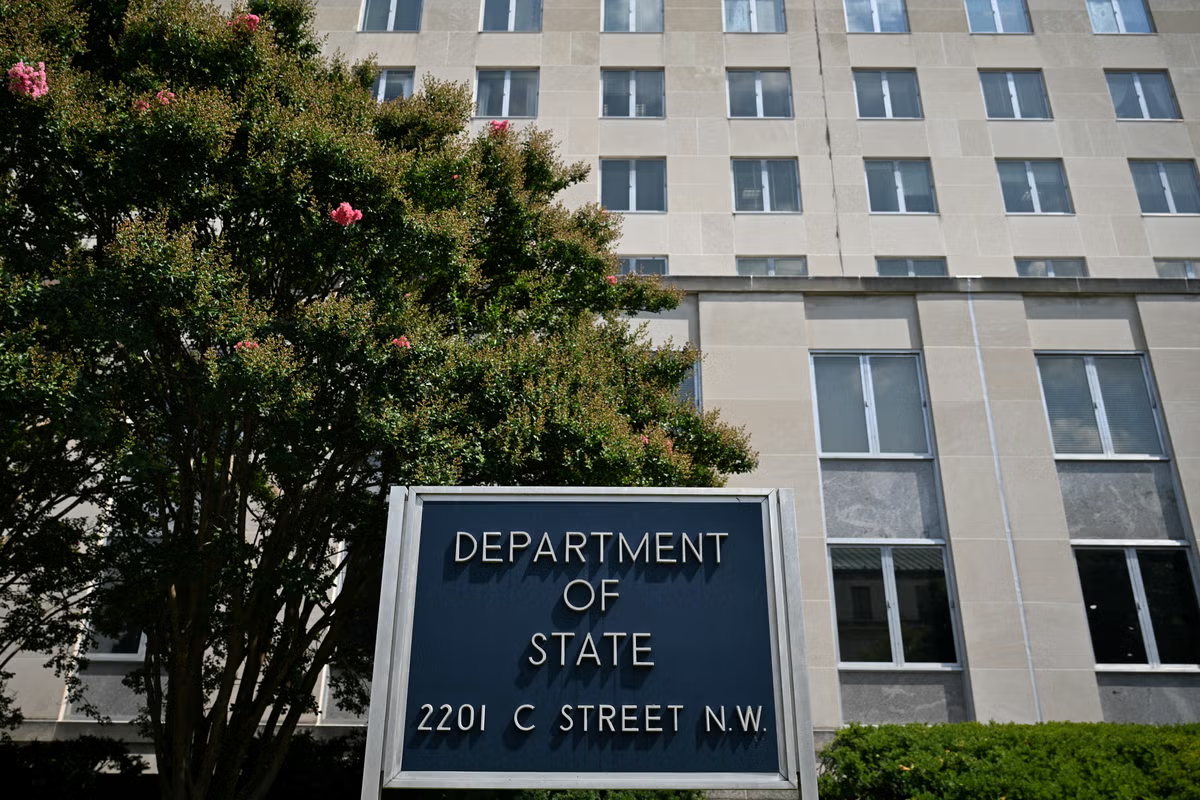
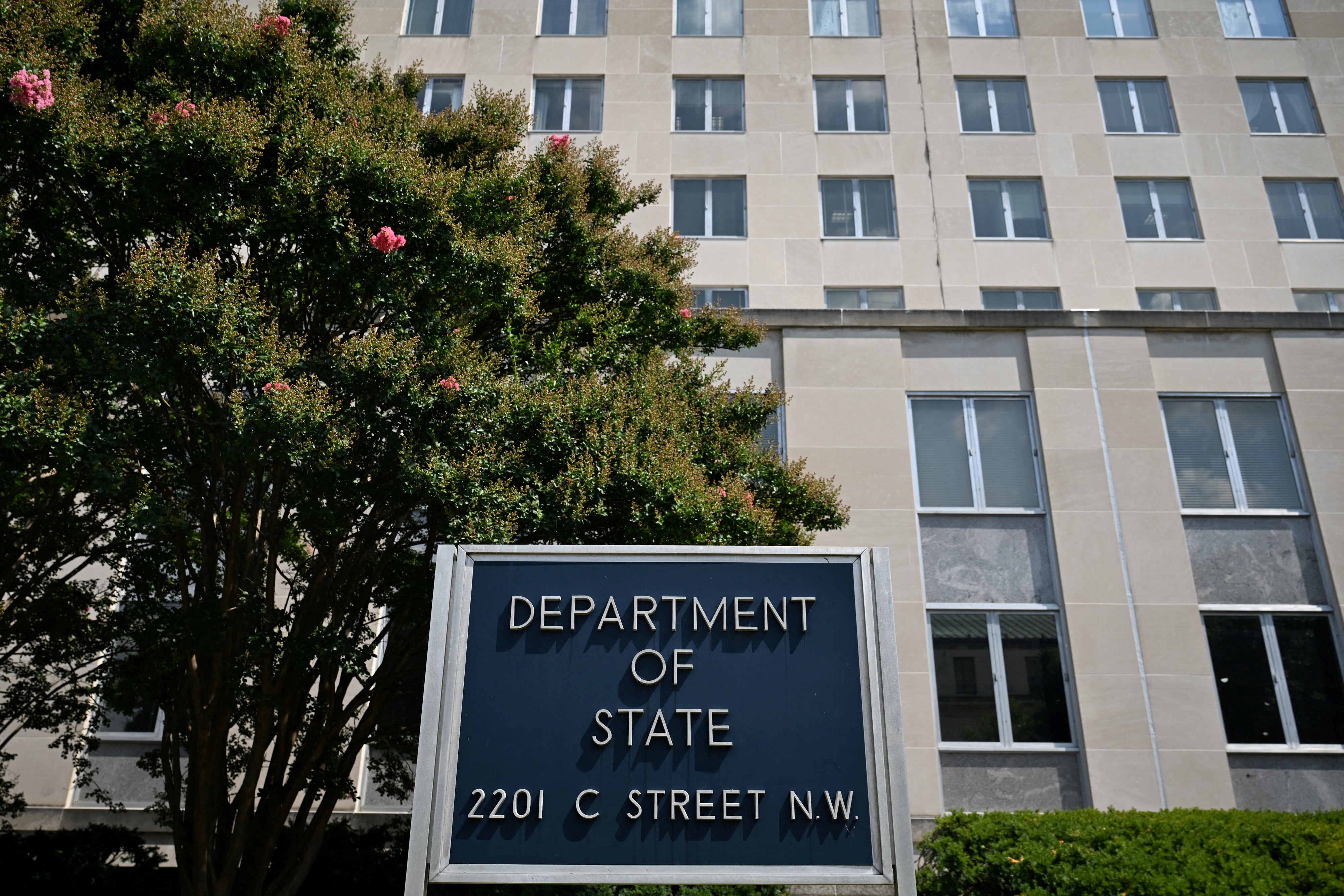
The Department of State’s pilot program covers Dominicans who’ve previously been denied visas on grounds they could become what’s known as a “public charge,” The Washington Free Beacon was first to report.
A public charge is someone who’s “primarily dependent on the government for subsistence,” either by “receiving public cash assistance for income maintenance or long-term institutionalization at government expense,” according to U.S. Citizenship and Immigration Services.
The pilot program, which began Wednesday, will reportedly require potential public charges from the Dominican Republic to post bonds of $100,000 to $250,000 that would be forfeited if they use American government benefits, such as food stamps, housing vouchers or Medicaid.
“We are piloting public charge bonds in the Dominican Republic based on the scope and scale of our immigrant visa operations at the U.S. Embassy in Santo Domingo,” a State Department spokesperson said in a Friday statement to The Independent. “Consular officers will set bond amounts based on an assessment of the totality of the circumstances of each case.”
The program may be expanded to cover immigrants from other countries, the Free Beacon said.
State Department spokesperson Tommy Pigott told Bloomberg Law, “Immigrating to the United States is a privilege, not a right.”
“Those who seek to obtain that privilege must be capable of demonstrating that they will be a benefit —rather than a burden — to our nation,” he added.
The visa bonds are the costliest measure imposed on immigrants and other visitors to the U.S. by President Donald Trump’s administration, according to Bloomberg Law.
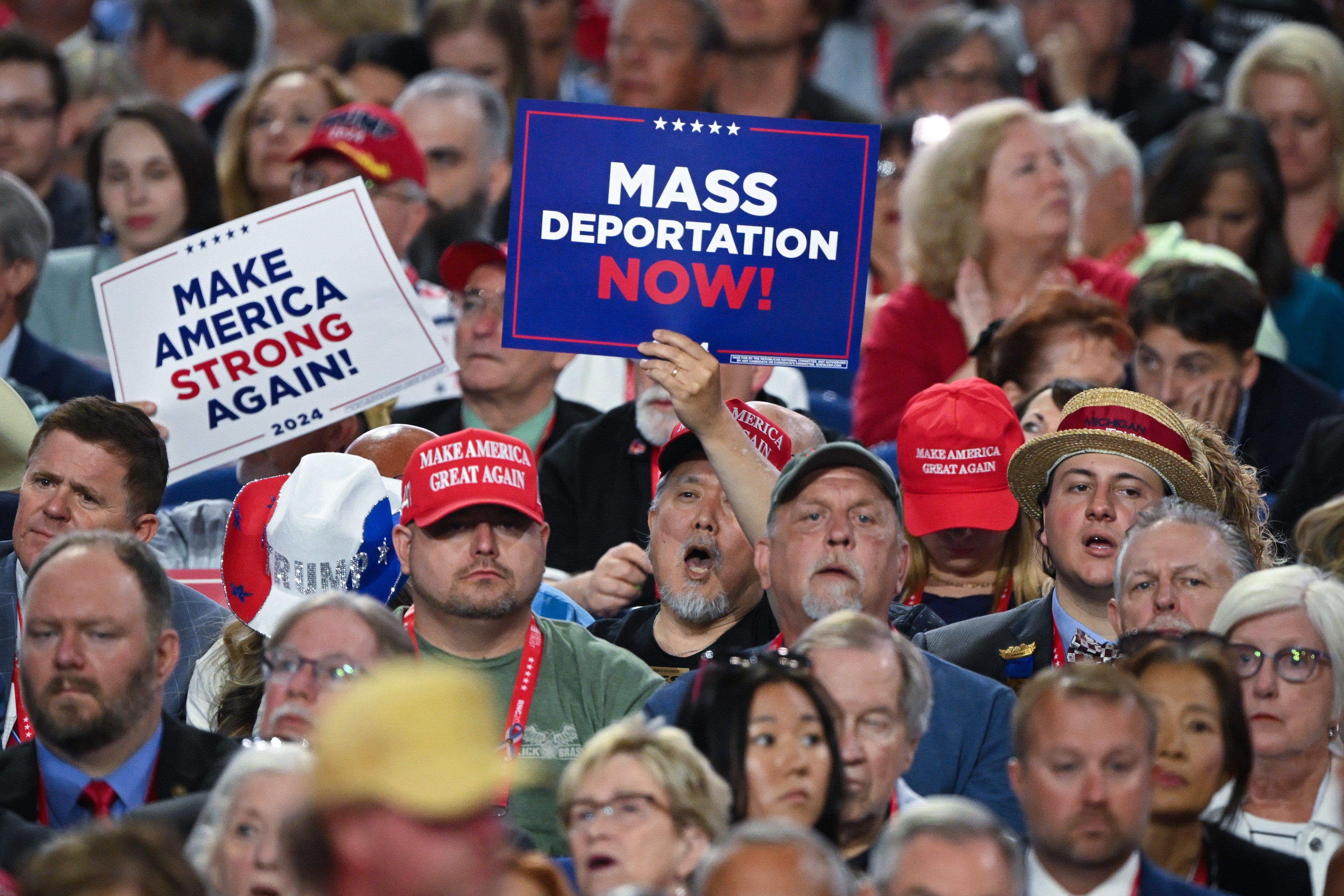
Trump’s 2024 campaign included pledges to restrict immigration and carry out the largest mass deportation operation in U.S. history.
The new visa bonds will be refundable after five years if visa holders haven’t needed any government assistance, the Free Beacon said.
USCIS can also reportedly decide when to cancel a bond or declare it’s been breached and subject to forfeiture.
Last year, the State Department began a one-year pilot program that required tourists and business travelers from 50 countries, including 30 in Africa, to post visa bonds of $5,000 to $15,500, according to PBS.
The program was made permanent in a rule published Monday in the Federal Register.
It also increased the amount of the bonds to $10,000, $15,000 or $20,000, to be set by American consular officials.
The Center for Immigration Studies, which favors lower immigration to the U.S., said in a February study that 53 percent of immigrant households “used one or more major welfare programs” in 2024, compared to 37 percent of U.S.-born households.
A January study by the libertarian Cato Institute think tank, however, found that in 2023, immigrants to the U.S. comprised 14.8 percent of the population and received just 10.4 percent of “means-tested welfare and entitlement benefits” on a per capita basis.
About the Author