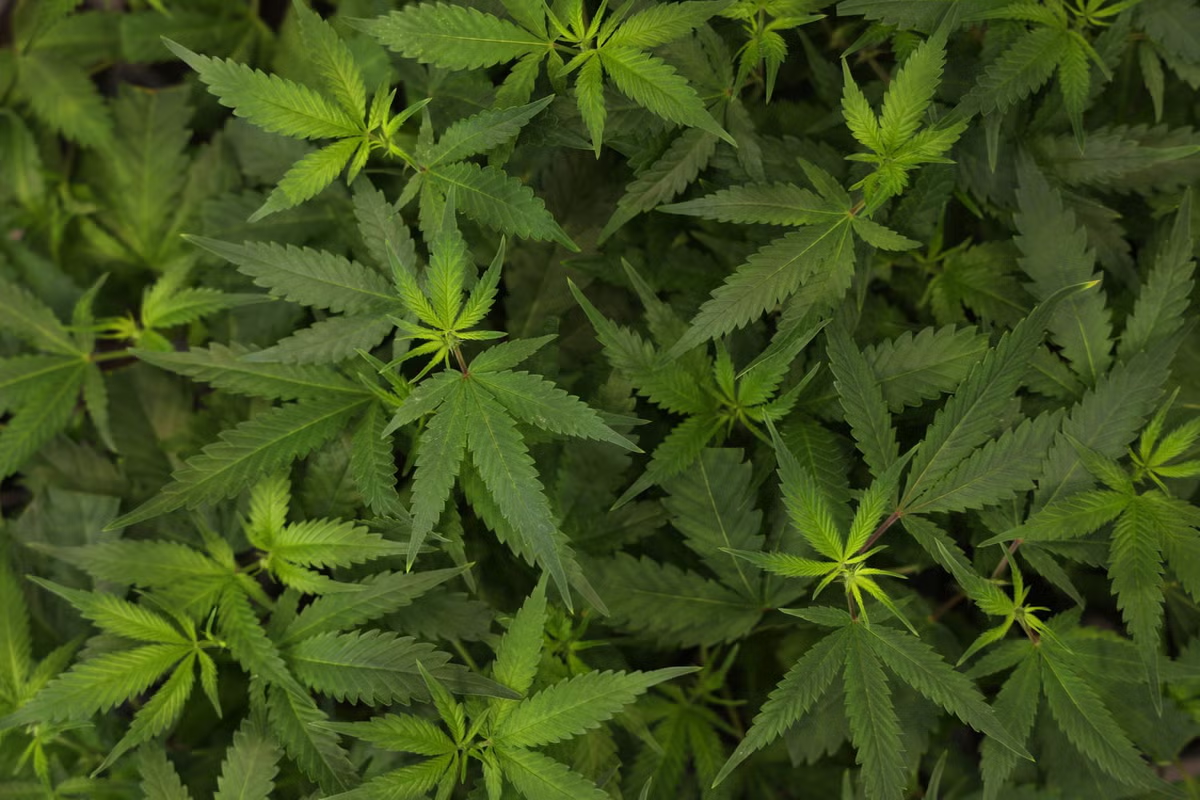
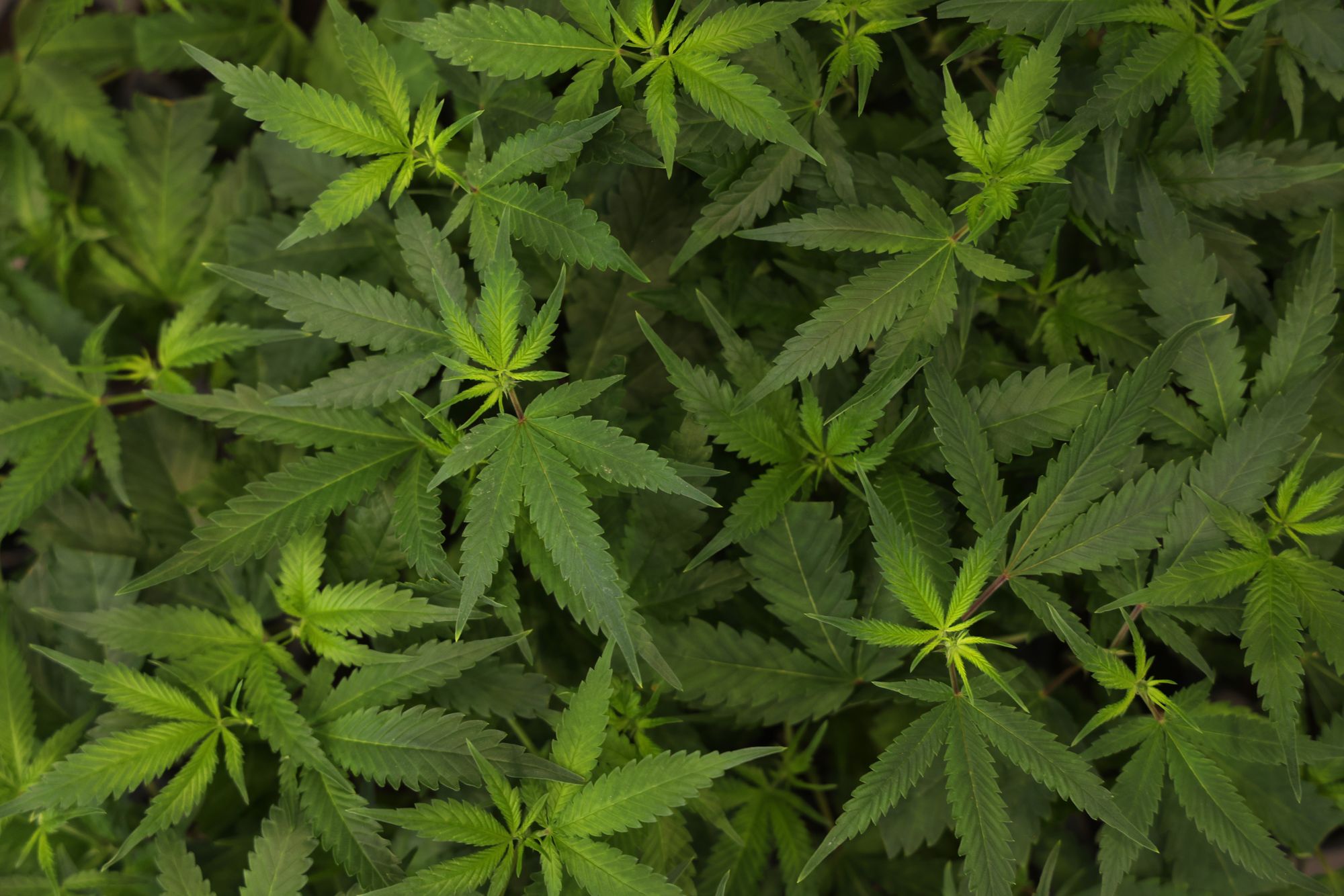
Some Idaho voters want to see a medical marijuana initiative on November’s ballot – but their efforts hit a snag after a judge determined thousands of signatures supporting the measure were turned in late.
The Natural Medicine Alliance of Idaho wants state residents to vote on legalizing marijuana for people with certain medical conditions. To get the initiative on November’s ballot, the group is required to gather petition signatures from voters across the state.
But their work hit a setback after a judge determined they were late to turn in about 4,000 signatures from residents of Minidoka County, located about 160 miles southeast of Boise. The ruling, issued by District Court Judge W. Reed Cotten on June 18, was first reported by the Idaho Capital Sun.
In his ruling, Cotten said a contractor with the Natural Medicine Alliance of Idaho attempted to turn in the Minidoka County petition signatures on May 1, the day they were due, but arrived at the county clerk’s office around 5:07 p.m., as the building closed for the day. Instead, the contractor tried to hand the signatures to an employee who was trying to leave.
“Fearing escalating a potentially contentious situation and seeking to resolve the matter as quickly as possible, this employee agreed to take the petitions, but informed the contractor that the petitions will still be late,” the judge wrote.
The group pushing for the ballot measure challenged the clerk’s determination that the signatures were turned in late, but Cotten ruled that the signatures “were received after the close of business.”
The Natural Medicine Alliance of Idaho has said it collected more than 150,000 total signatures, which would put them well over the required amount, and a spokesperson for the group said they’re feeling “confident” the initiative will still appear on November’s ballot even without Minidoka County’s signatures, according to the Idaho Capital Sun.
But Idaho Secretary of State Phil McGrane told the newspaper the initiative still hasn’t met the ballot requirements. To get an initiative on the ballot, sponsors must collect signatures from six percent of total registered voters in the state, as well as six percent of voters in at least 18 of the state’s 35 legislative districts.
Ballot initiatives can also run into issues with signature verification. Around half of the petition signatures collected by sponsors tend to be disqualified for a number of reasons, including voter registration issues, McGrane told the Idaho Capital Sun. A spokesperson for the Natural Medicine Alliance of Idaho noted that the group used private firms to check petition signatures.
The future of the medical marijuana initiative remains unclear, though answers are expected in the coming days. Each county will finish verifying signatures by Tuesday, after which McGrane’s office will perform a final count, according to the Idaho Capital Sun.
The ballot initiative would mark a major win for marijuana advocates in Idaho, which is one of the only states with a complete ban on the drug.
The Independent has requested comment from the Natural Medicine Alliance of Idaho, McGrane’s office and the Minidoka County Clerk’s Office.
About the Author