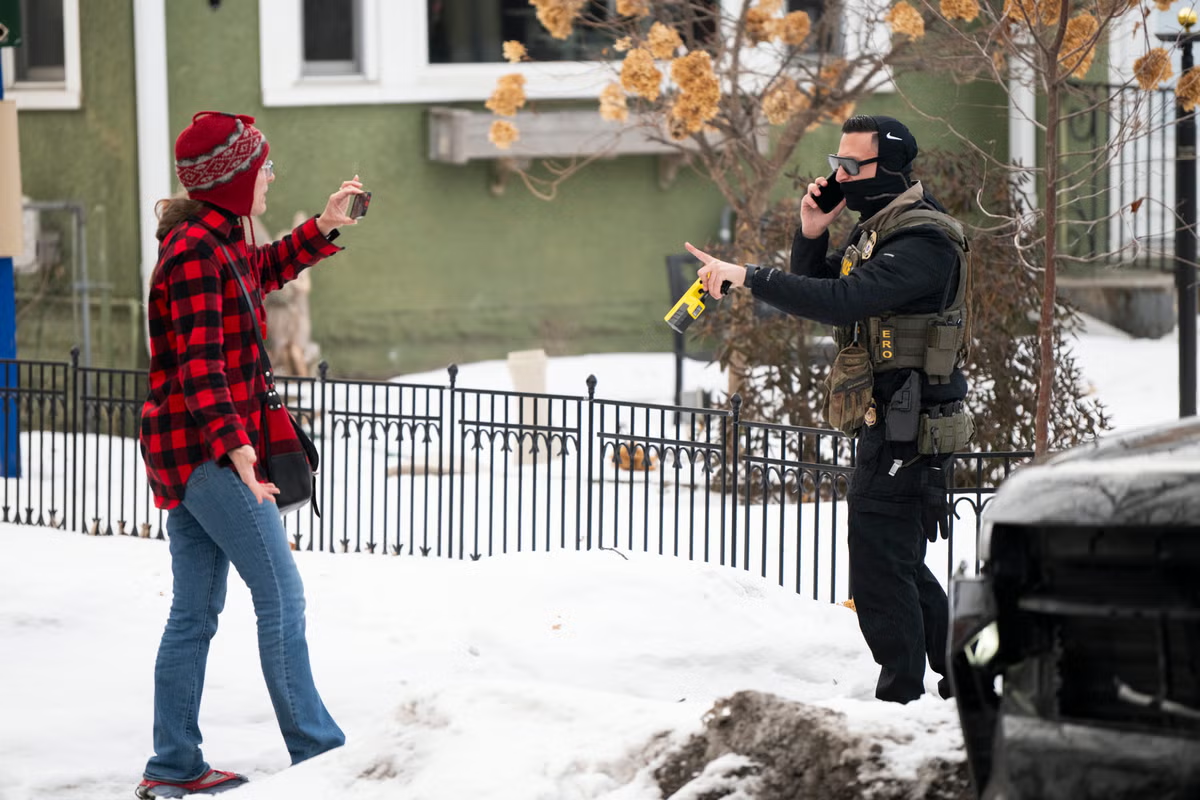
For months, the Department of Homeland Security has been denying that it has a database of protesters and legal observers it accuses of being domestic terrorists or threats to law enforcement, but a document submitted to Congress may undermine that claim.
The agency has repeatedly denied the existence of any such database in Congress under questioning from lawmakers, and DHS staff echoed these denials when pressed by The Independent.
However, in an April letter to Democratic lawmakers, the parent agency of ICE and the Border Patrol seemed to admit keeping detailed information on protesters and others who encountered agents, even those who haven’t been arrested or formally accused of any crime.
The admission raises major civil liberties concerns, especially because multiple top Trump administration officials have described protected First Amendment activity, such as verbally criticizing agents and filming federal operations, as a form of potential criminal action. If such actions get fed into federal systems, that could mean lasting consequences for people exercising their constitutional rights.
In the April 21 message, obtained by NPR, then-ICE Director Todd Lyons described how ICE officers gather “information to identify individuals reasonably believed to be involved in, or directly supporting, potential violations of federal law and to address officer safety and facility security concerns,” including “essential biographic and biometric information and situational details required to support criminal investigations, safety, and immigration concerns.”
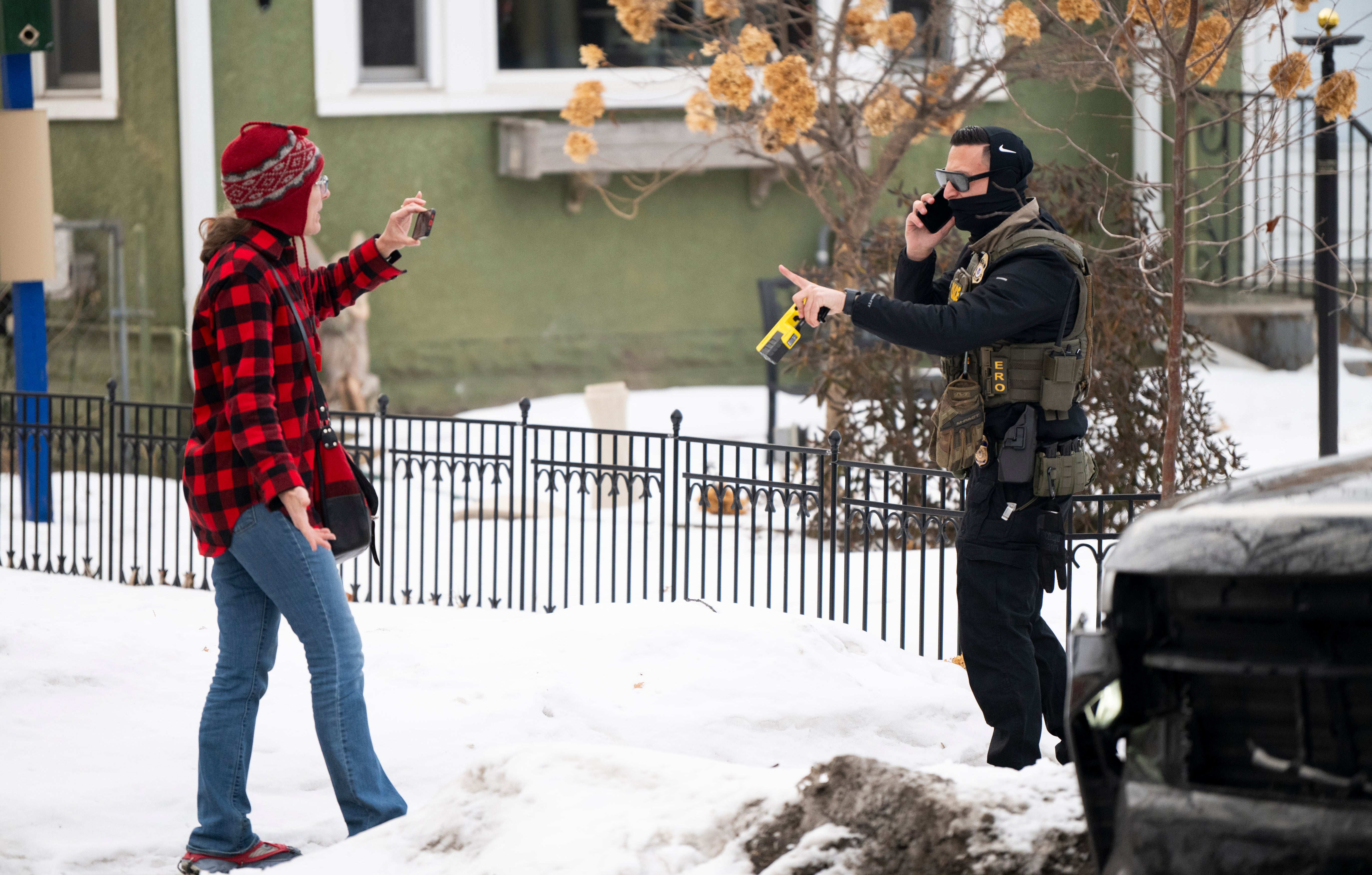
Federal agencies hold onto this data after the fact, the letter continued, though it said DHS supports constitutional rights and does not maintain a “separate, standalone database” of people who interacted with agents but were not arrested.
“If individuals who interact with ICE officers are not arrested or detained, any information collected during those encounters is maintained consistent with applicable law and DHS and ICE policies and is treated as an official government record,” the letter adds.
Evidence has been building for months that DHS is hoovering up large amounts of data on members of the public who interact with agents.
In January, an ICE officer in Maine was filmed photographing the license plate of an individual who had been observing agents during operations and telling the bystander, “We have a nice little database and now you’re considered a domestic terrorist.”
That same month, DHS sent a memo to agents in Minneapolis to collect personal information about protesters and alleged agitators, including license plate numbers, CNN reported, and agents across the country have used cell phone-based facial recognition tech during operations.
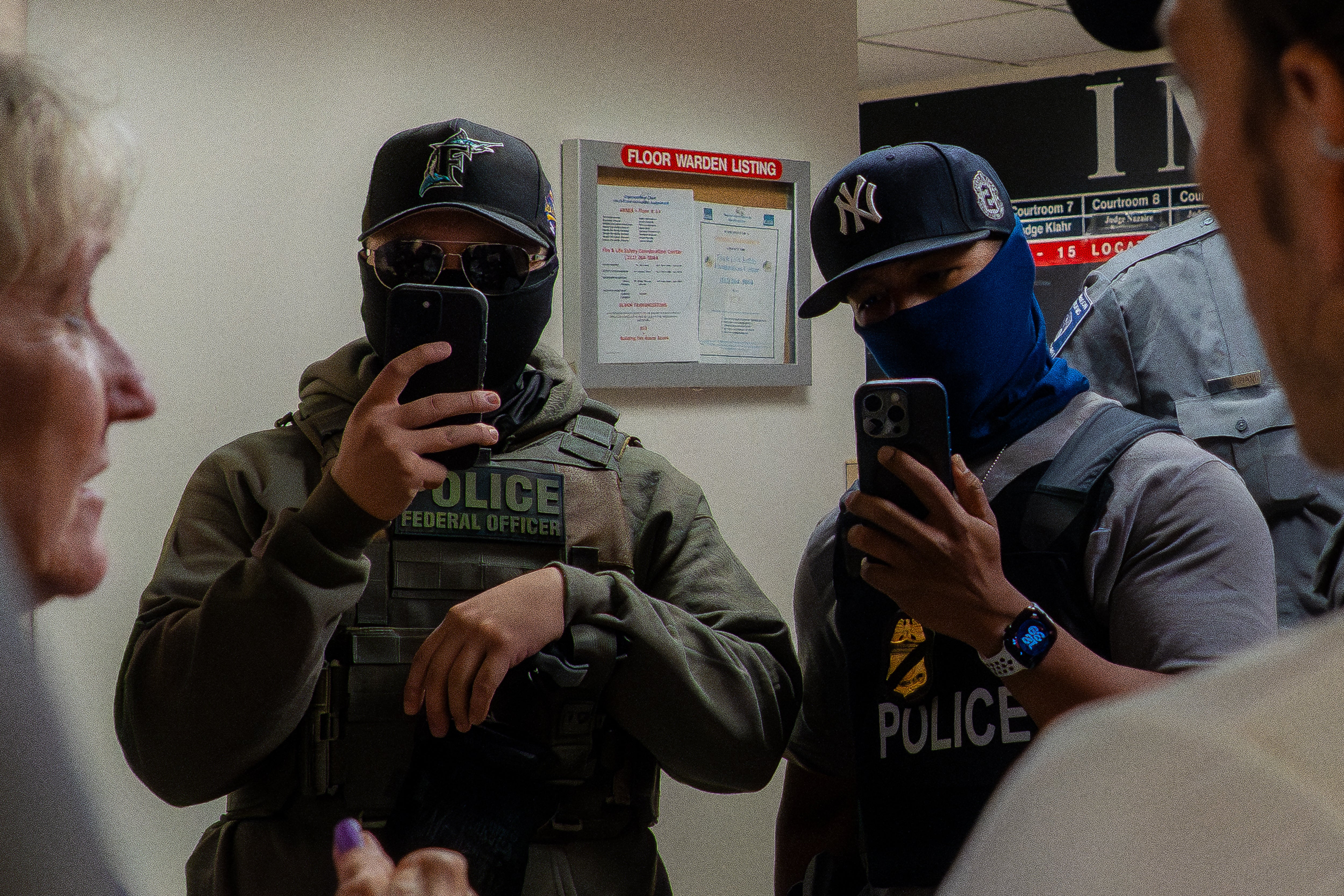
There are also reports from multiple cities that people who followed or filmed immigration agents at work have had their faces and license plates photographed or had agents drive ominously past their homes.
As The Independent reported, agents deployed across the country since Trump took office have been spotted surveilling protesters by using high-powered, AI-enabled Meta smart glasses that can record video and be programmed to include facial recognition.
Two national security officials told independent journalist Ken Klippenstein there are more than a dozen shadowy watchlists maintained by Homeland Security and the FBI used to track protesters, including anti-ICE demonstrators, as well as other groups the administration has deemed “domestic terrorists,” such as the left-wing Antifa movement.
Individuals across the country are challenging federal agencies over this mass surveillance effort.
In Maine, a group of observers is suing in federal court, alleging their rights were violated by agents who allegedly recorded their faces and license plate numbers and threatened to add them to a terror database.
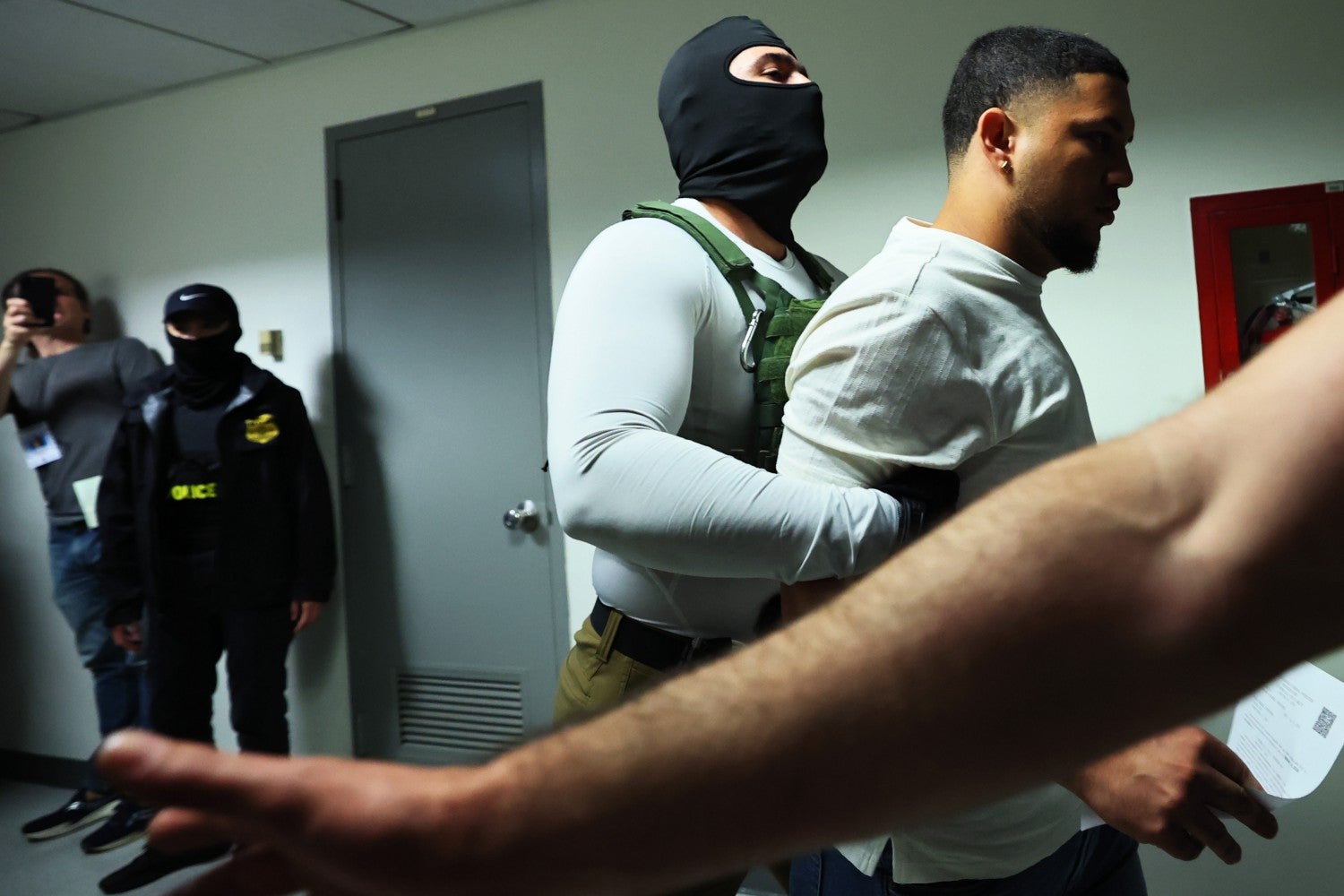
One woman involved in the suit alleges she got a threatening call from a DHS agent about a terror watch list after her partner observed agents earlier in the day. She claims the couple was later stopped at the Canadian border and held for extended questioning during a recent vacation.
A suit filed in May in Illinois challenges the government’s collection and storage of DNA samples from four people arrested during anti-ICE protests, two of whom were not charged and two whose minor charges were later dropped. The plaintiffs wrote that they fear their biometric information could lead to being added to a “domestic terror watchlist.”
A separate suit that month from the free speech advocacy group FIRE is seeking to force DHS into turning over documents about its databases.
In the wake of DHS’s disastrous Minnesota operation, which inflamed massive protests and left two Americans dead at the hands of federal agents, the Trump administration seemed poised for a reset of tactics.
It installed a new DHS secretary, pulled back on the Minnesota surge, and vowed that immigration would not be the main storyline each week.
However, that pause could be coming to an end, as border czar Tom Homan threatened this week to resume the crackdowns and flood New York City with ICE agents to punish the state for limiting cooperation between police and federal deportation operations.
About the Author