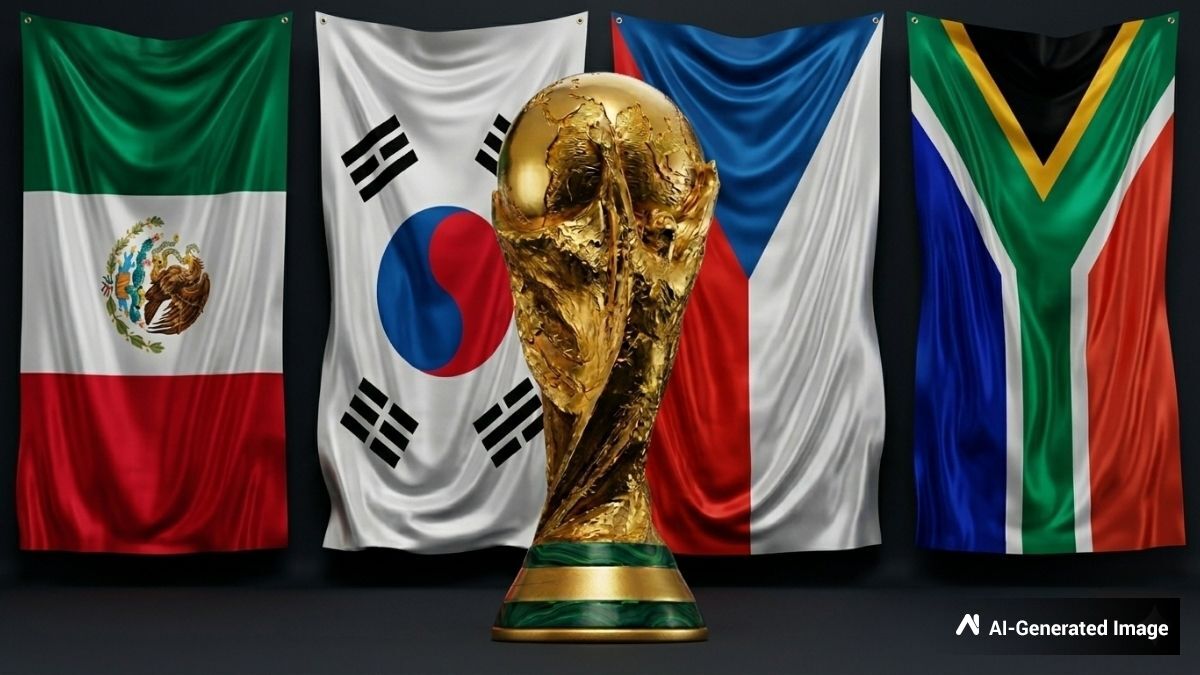
The 2026 FIFA World Cup is set to become the richest edition in football history, with FIFA officially increasing the tournament’s total prize pool to a record-breaking $871 million ahead of the expanded 48-team competition across the United States, Mexico and Canada.
The massive financial jump reflects both the expansion of the tournament and FIFA’s growing commercial revenues, with the governing body significantly increasing payouts for participating nations compared to the 2022 World Cup in Qatar.
Most notably, the eventual champions of the 2026 FIFA World Cup will reportedly receive $50 million – the highest winner’s payout ever in tournament history.
FIFA massively increases payouts for all qualified teams
One of the biggest changes for 2026 is that every qualified nation is guaranteed substantially higher baseline earnings even before a ball is kicked.
Each federation will reportedly receive:
- $2.5 million as preparation funding
- $10 million as qualification money
That means all 48 teams are guaranteed at least $12.5 million simply for qualifying for the tournament.
The increase is particularly significant for smaller football nations and debutants, many of whom face enormous travel, logistics and preparation costs because of the tournament’s scale across North America.
FIFA believes the larger payouts will help national federations invest more into infrastructure, staffing, player preparation and long-term football development.
How much will teams earn at FIFA World Cup 2026?
The deeper teams progress into the tournament, the larger the rewards become.
The projected FIFA World Cup 2026 prize money structure is expected to be:
| Finish | Prize Money |
|---|---|
| Winners | $50 million |
| Runners-up | $33 million |
| Third place | $29 million |
| Fourth place | $27 million |
| Quarter-finalists | $19 million |
| Round of 16 | $15 million |
| Round of 32 | $11 million |
| Group-stage exit | $9 million |
These figures are separate from the preparation and qualification funds already allocated to participating federations.
Why FIFA increased the World Cup prize money so heavily
The financial increase is closely tied to the tournament’s historic expansion from 32 teams to 48 teams.
The 2026 World Cup will feature:
- 104 matches
- three host nations
- longer tournament duration
- increased travel demands
- significantly larger operational costs
FIFA reportedly decided to raise the prize pool after discussions around the financial burden teams would face while competing across North America’s huge geographical distances.
At the same time, the governing body is benefiting from record commercial growth.
Television rights, sponsorships, streaming partnerships and ticket demand have all exploded ahead of the tournament. FIFA’s revenues reportedly crossed billions in recent financial cycles, allowing the organisation to dramatically increase team distributions.
The winner’s prize has more than doubled in modern football
The growth in World Cup prize money over the decades is staggering.
Back in 1982, the World Cup-winning team received roughly $2.2 million. In 2022, Argentina earned $42 million for winning the tournament in Qatar.
Now, the 2026 champions are set to receive $50 million, continuing football’s rapid financial expansion at international level.
However, FIFA does not directly pay players themselves.
The money is distributed to national football federations, which then decide how much goes to players, coaches, bonuses and development programs.
FIFA facing criticism despite record-breaking payouts
Despite the enormous prize pool, FIFA has also faced growing criticism around the commercialisation of the 2026 World Cup.
Ticket pricing has become one of the biggest controversies.
Fans have complained about massive price increases under FIFA’s new dynamic pricing model, with some tickets reportedly reaching several thousand dollars for major fixtures. Resale prices have climbed even higher for premium matches, including the final.
At the same time, FIFA continues to face scrutiny over sponsorship partnerships, commercial expansion and concerns that the tournament is becoming increasingly inaccessible for ordinary supporters.
Still, demand remains extraordinary.
FIFA president Gianni Infantino recently claimed the organisation had already received more than 500 million ticket requests for the roughly seven million seats available across the tournament.
Why World Cup 2026 could become football’s biggest commercial event ever
Everything about the 2026 tournament points toward unprecedented scale.
The competition will feature:
- the highest number of teams ever
- the most matches ever
- the largest combined host market ever
- record commercial revenue
- record prize money
And while debates around ticket pricing and commercialisation continue, FIFA clearly believes the tournament’s financial growth is only accelerating.
The 2026 FIFA World Cup may ultimately become not just the biggest football tournament ever staged – but the most commercially powerful sporting event the game has ever seen.
Get breaking news alerts.
Allow Notifications
You have already subscribed
Story first published: Sunday, May 10, 2026, 13:20 [IST]
About the Author