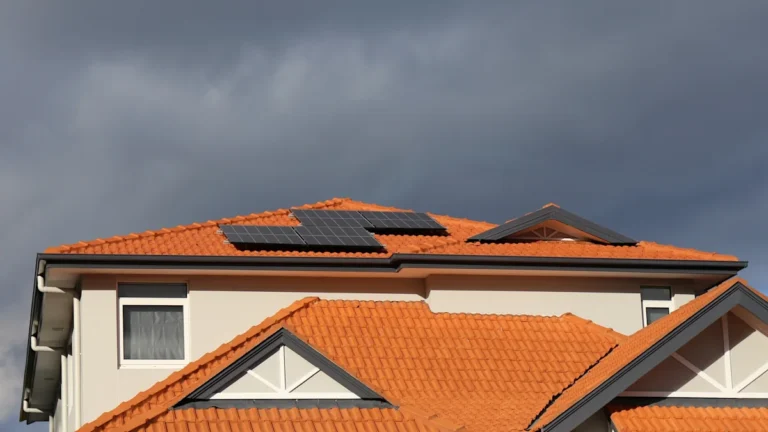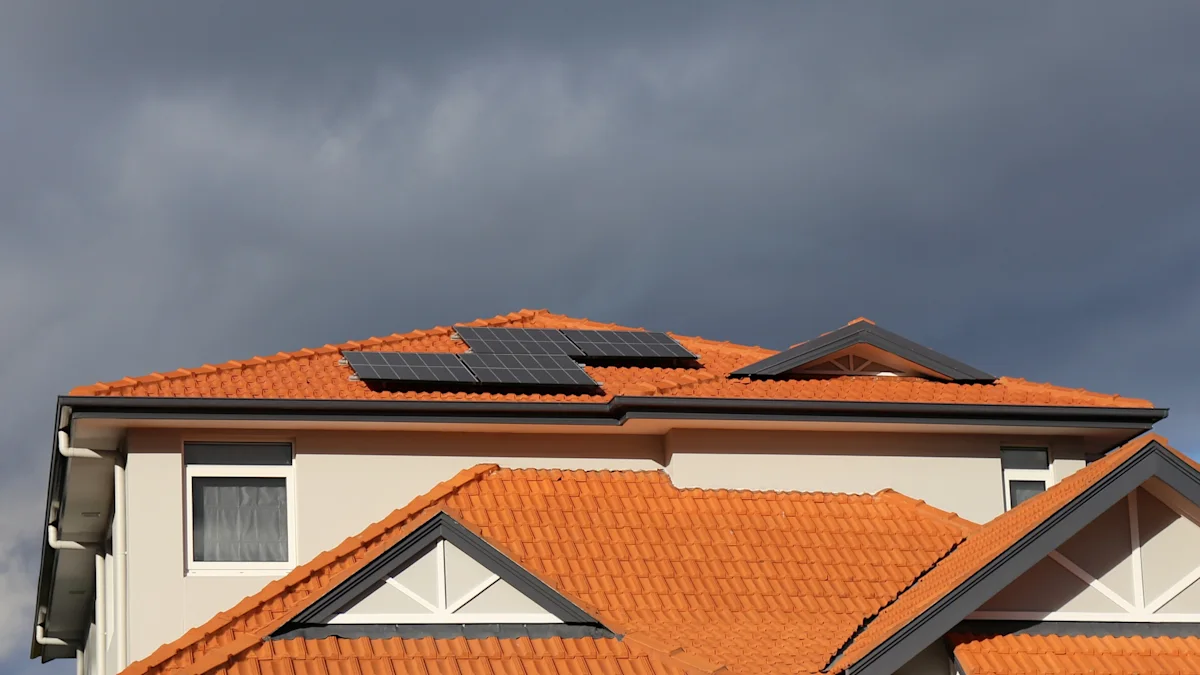
While investing in solar is one of the best ways to curb rising energy costs, some homeowners are still skeptical if the technology works in cloudy or frigid climates.
That’s why one homeowner living in the “foggiest, cloudiest city in Canada” took to Reddit to share how their solar panels are faring in the less-than-ideal climate.
So far, the homeowner has been impressed with their system.
“Today, our panels produced 27 kW of power. During the middle of the day, they produced way more than the house needed and the excess was sold back to the grid. 24 hours after a major snow storm!” the poster explained in the r/solar subreddit.
Advertisement
Advertisement
The homeowner acknowledges that the panels don’t generate enough electricity to fully cover their usage, but they still manage to cut the bill by about 23% — even in what the homeowner described as “worst-case scenario” weather conditions.
In most cases, solar panels provide much better savings, with a surprising number of homeowners generating enough power to cover their annual energy bills. If you’re curious how much solar panels can reduce your electricity costs, connect with EnergySage for quick quotes from vetted local installers.
“When the price of power goes up (and it will) it will only go up for 77% of our energy requirements. They’ll pay us more for the portion of electricity that we sell back to the grid!” the homeowner added.
This homeowner’s testimonial clearly shows that solar can still be a worthwhile investment, regardless of your climate.
Advertisement
Advertisement
Other homeowners chimed in, supporting the original poster’s findings.
“[My] panels are paying close to 90% of our power bill, definitely well worth the upfront cost,” another Canadian homeowner said.
“My system generates 160% of my consumption and pays for 80% of ALL the utilities- water, gas, garbage included. There’s a lot of sun in Canada and solar makes perfect sense,” another added.
Connecting with EnergySage to get started on your clean energy upgrade. Those who use EnergySage’s free tools can save up to $10,000 on the cost of installation.
EnergySage also offers a helpful mapping tool that breaks down, state by state, the average cost of installing home solar panels, along with available incentives in each area. Together, these insights can help homeowners find the best possible price for rooftop solar and take full advantage of any rebates or tax credits they may qualify for.
Advertisement
Advertisement
Adding battery storage to a solar setup is one of the best ways to keep your home powered during outages, lower energy costs, and increase energy independence — including the ability to go off-grid. It also helps homeowners store excess solar energy to use when electricity rates are highest.
You can explore home battery options and get competitive installation estimates using EnergySage’s battery resources.
Get TCD’s free newsletters for easy tips, smart advice, and a chance to earn $5,000 toward home upgrades. To see more stories like this one, change your Google preferences here.
About the Author