
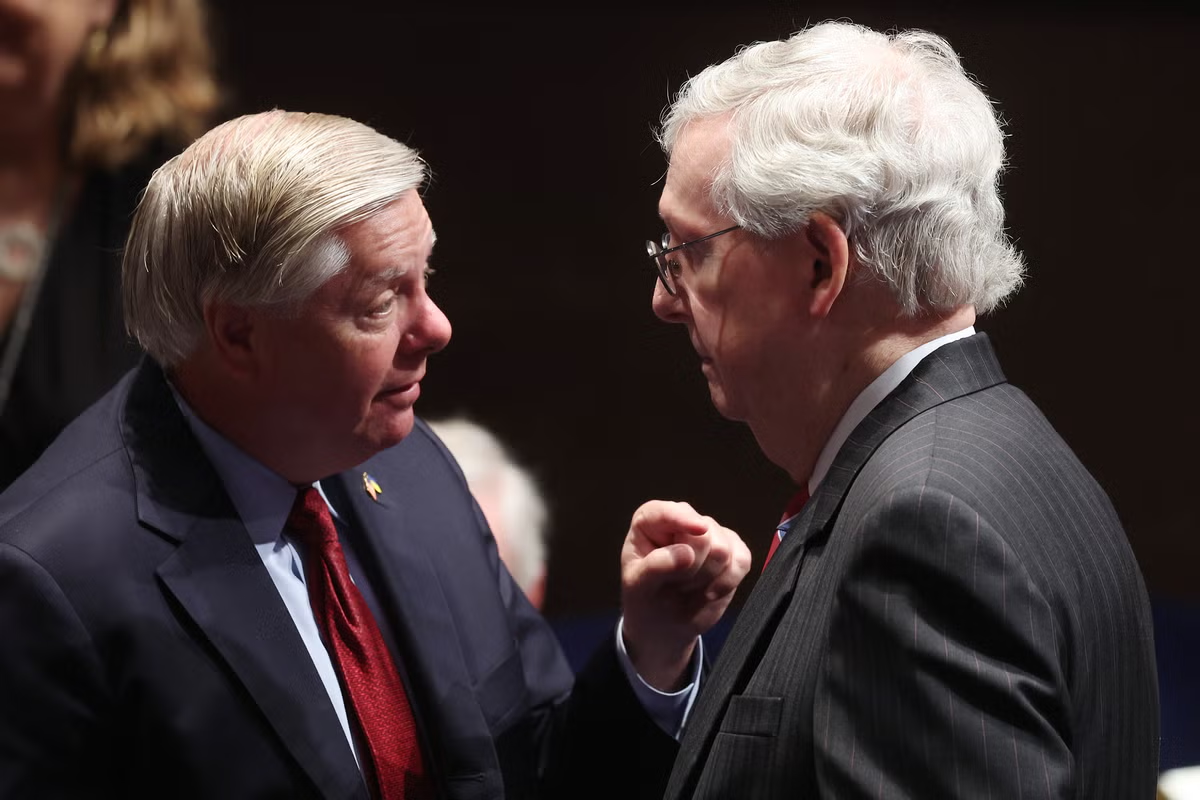
The sudden death of Sen. Lindsey Graham has thrust a spotlight back on one of Washington’s most uncomfortable questions: Are America’s aging political leaders telling the public enough about their health?
Graham, one of Donald Trump’s closest allies in Congress, died Saturday night at 71 after suffering an aortic dissection, according to preliminary medical findings. His death came just two days after his birthday and shocked Washington because he appeared to be in good health despite being younger than many of his Senate colleagues.
His passing, coupled with Senate Republican Mitch McConnell’s recent hospitalization, has reignited calls for greater transparency about the health of elected officials and intensified scrutiny of a Congress dominated by lawmakers well into their 70s and 80s.
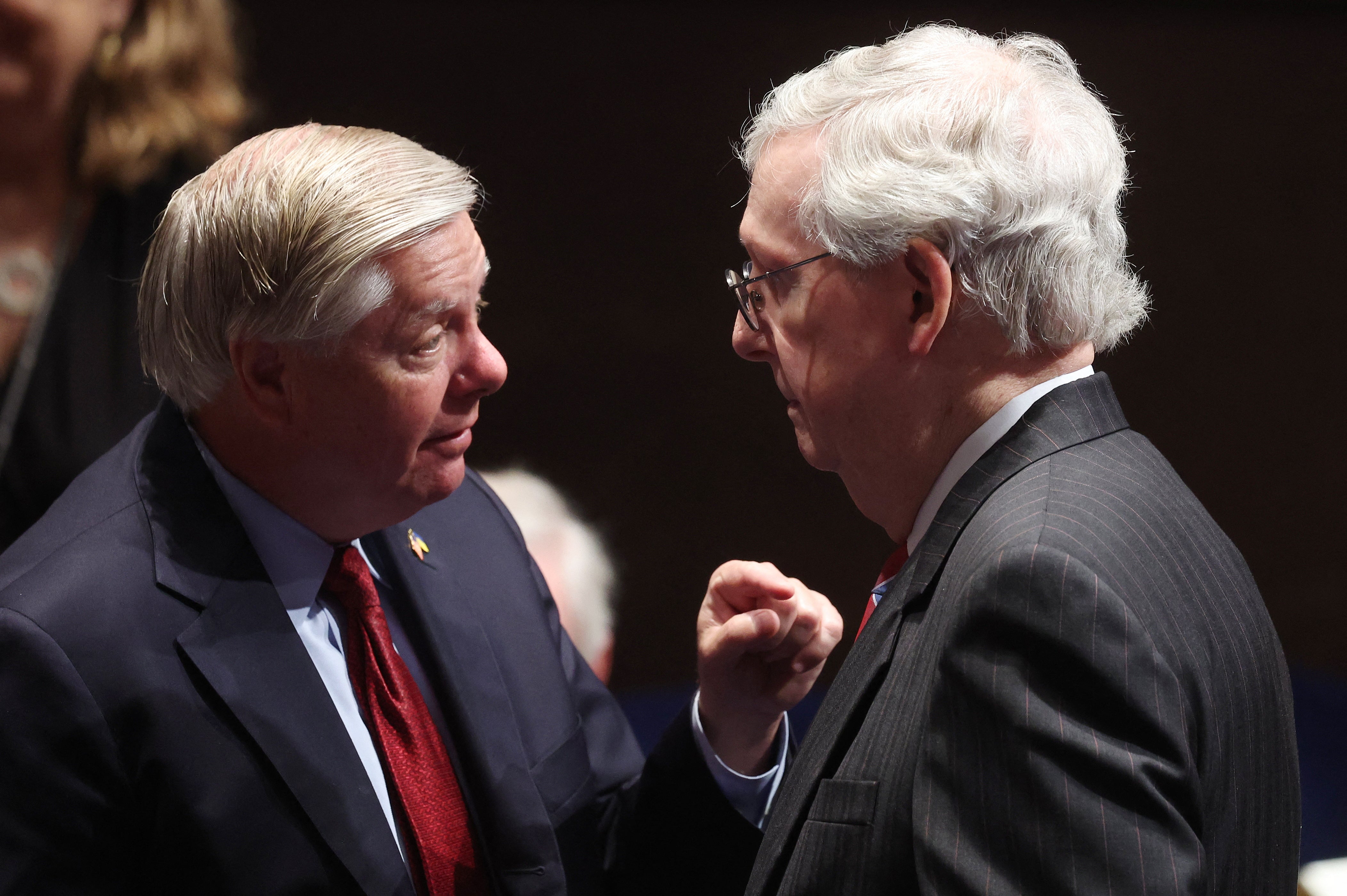
The two incidents also fueled a wave of online speculation.
Less than a month before Graham’s death, emergency crews were called to McConnell’s home after the 84-year-old Republican leader suffered a fall. His office initially said only that he was receiving “excellent care,” triggering weeks of rumors before McConnell revealed Sunday that he had briefly lost consciousness and developed mild pneumonia.
In an effort to quiet the speculation, McConnell released a photograph of himself holding that day’s newspaper.
“You all know how folks of my generation often hesitate to share the vulnerability that comes with growing older,” McConnell said. “Even in the public eye, I feel that same instinct.”
The limited information surrounding his hospitalization fueled conspiracy theories online, including an unfounded claim from Trump ally Laura Loomer that McConnell was “officially brain dead.”
Texas Sen. John Cornyn said Monday the episode underscored why lawmakers should be more forthcoming about their health.
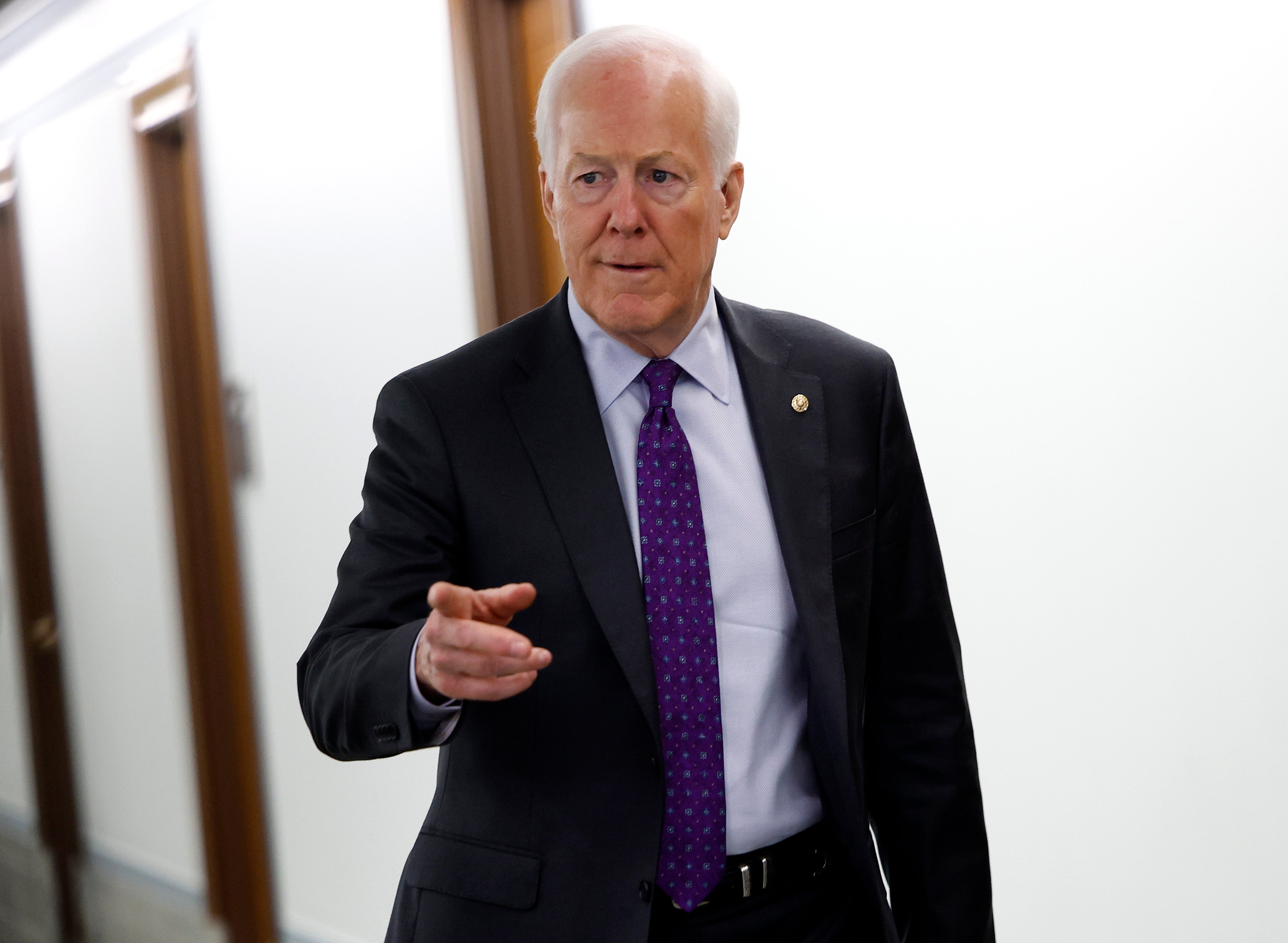
“I think we need some transparency,” Cornyn said. “I wish Sen. McConnell and his team would have done that earlier.”
Kentucky Sen. Rand Paul dismissed the speculation as “a symptom of our times,” saying the public’s demand for medical details raises difficult questions about where privacy ends and public accountability begins.
The debate comes two years after concerns over then-President Joe Biden’s health reshaped the 2024 election. Biden’s halting debate performance ultimately led him to abandon his reelection bid, clearing the way for an unprecedented change at the top of the Democratic ticket.
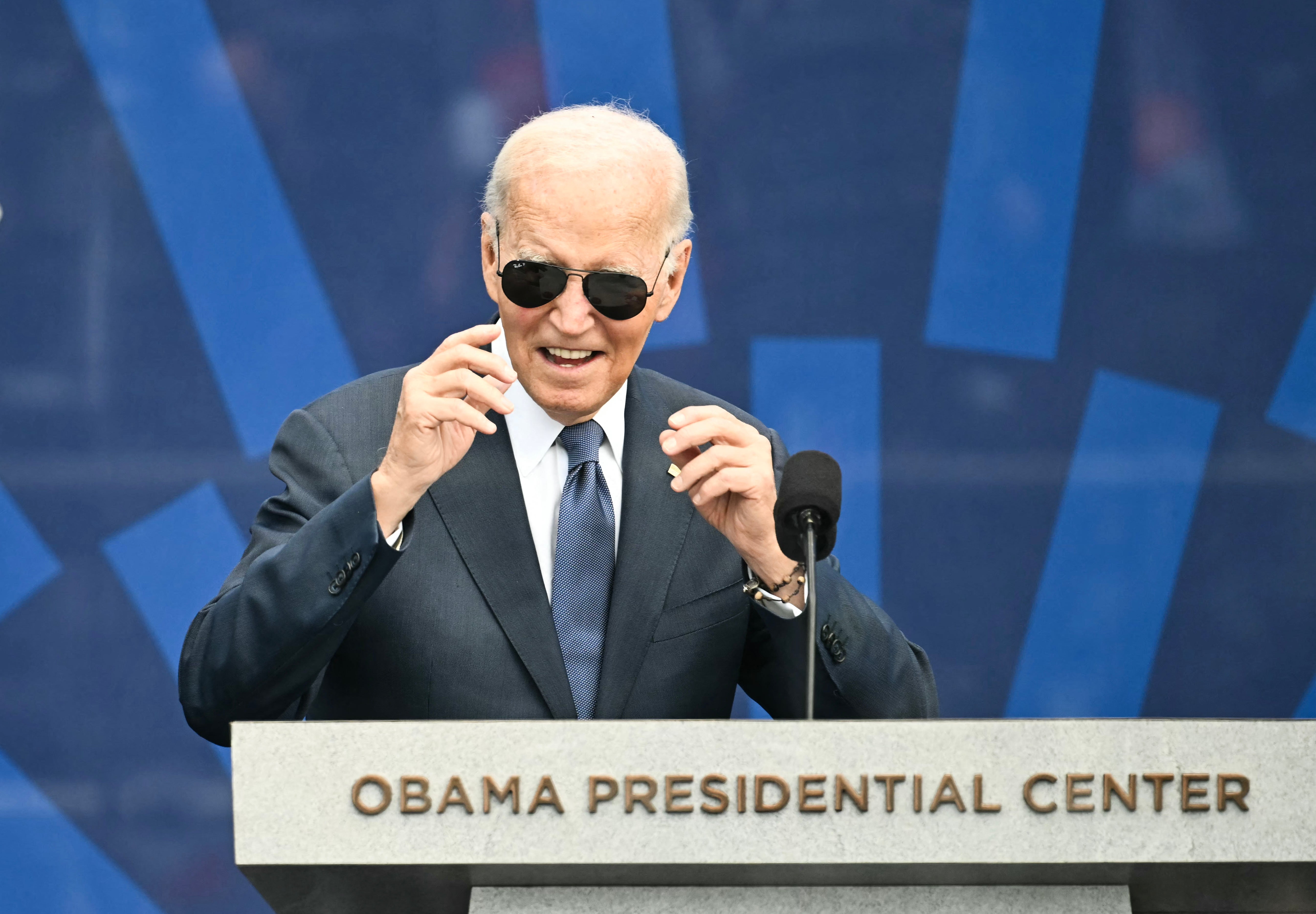
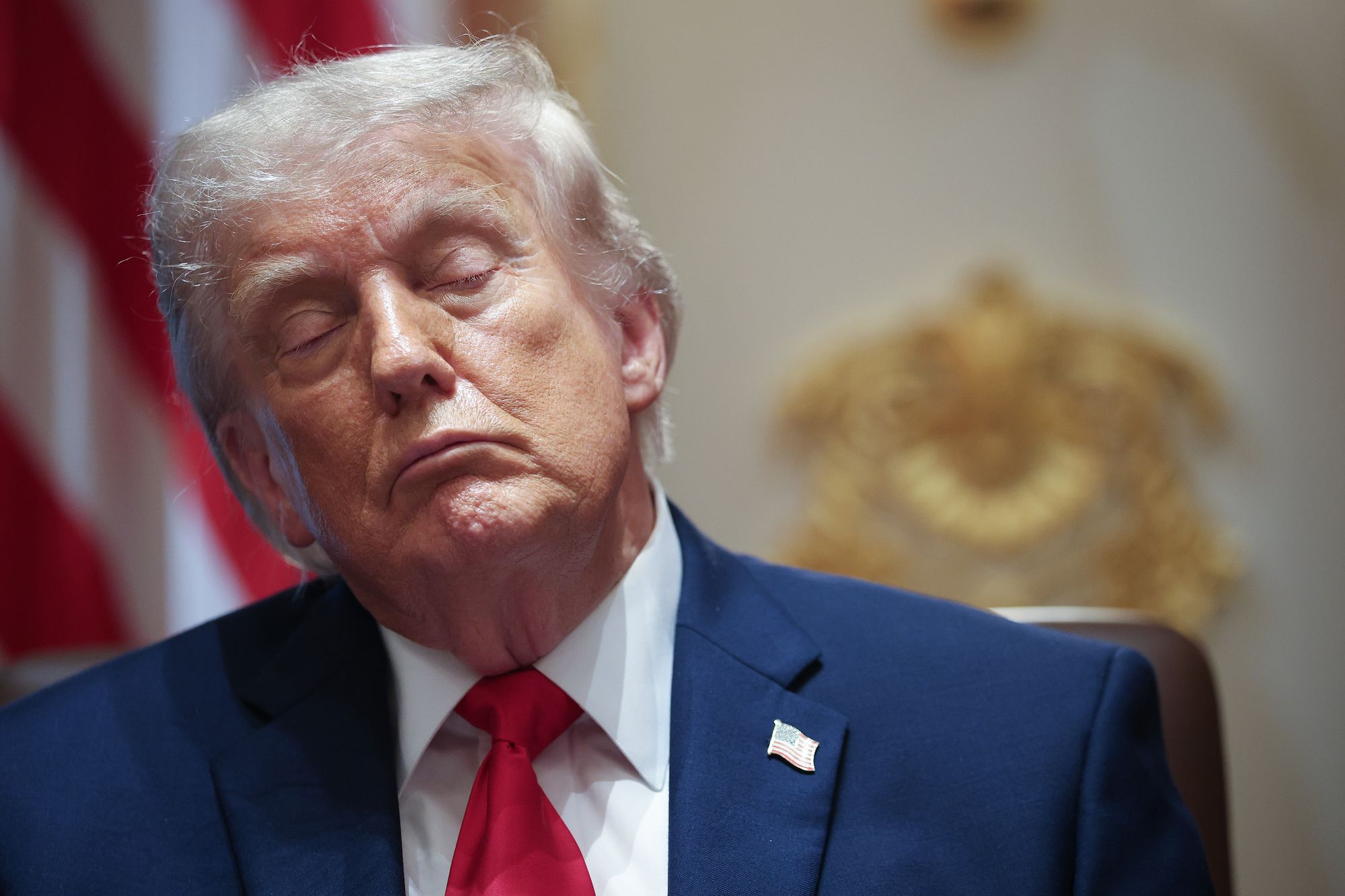
Trump, now the oldest person ever elected president, has repeatedly insisted he is in excellent health. After his most recent physical in May, he declared that “everything checked out PERFECTLY” and said he had “aced” his cognitive exams.
But Trump has also faced criticism for the limited medical information his team has released. During the 2016 campaign, he broke with recent presidential tradition by declining to release detailed health records, instead publishing a brief letter from his physician describing him as “the healthiest individual ever elected to the presidency.”
Questions also surrounded Trump’s health after he contracted COVID-19 in 2020, when aides withheld key details about his treatment, and again after last year’s assassination attempt in Pennsylvania, when his team initially released little information about the extent of his injuries.

The secrecy debate extends beyond the White House.
New Jersey Rep. Tom Kean Jr. missed four months of votes before revealing he had been treated for depression, saying he is “a private person by nature.” Pennsylvania Sen. John Fetterman, by contrast, publicly disclosed his hospitalization for clinical depression the day he was admitted to Walter Reed National Military Medical Center after previously suffering a stroke.
Other aging lawmakers have remained in office despite visible health struggles. Sen. Dianne Feinstein died in office at 90 after years of declining health, while former Rep. Kay Granger largely disappeared from public view during her final months in Congress because of what aides called “unforeseen health challenges.” District of Columbia Delegate Eleanor Holmes Norton, 88, also announced she would not seek reelection after questions about her fitness for office.
Together, Graham’s death and McConnell’s hospitalization have revived an increasingly urgent debate over how much the public deserves to know about the health of the people making some of the nation’s biggest decisions.
About the Author