Want to bookmark your favourite articles and stories to read or reference later? Start your Independent Membership today.
Already a member?
Log in
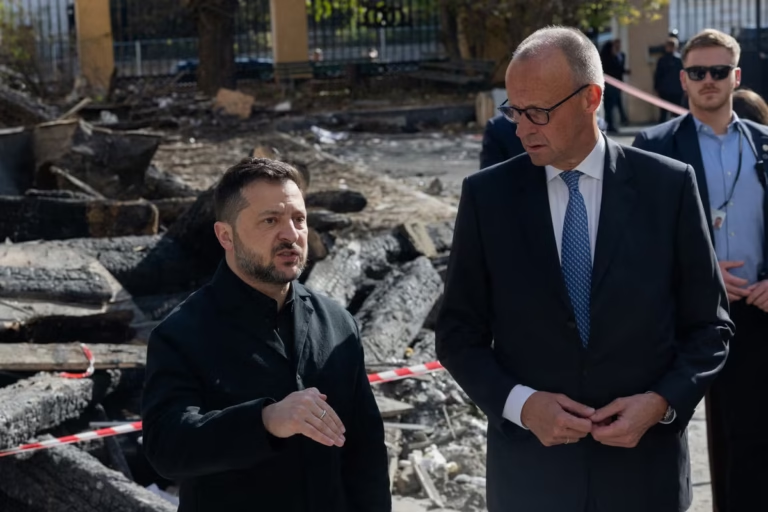
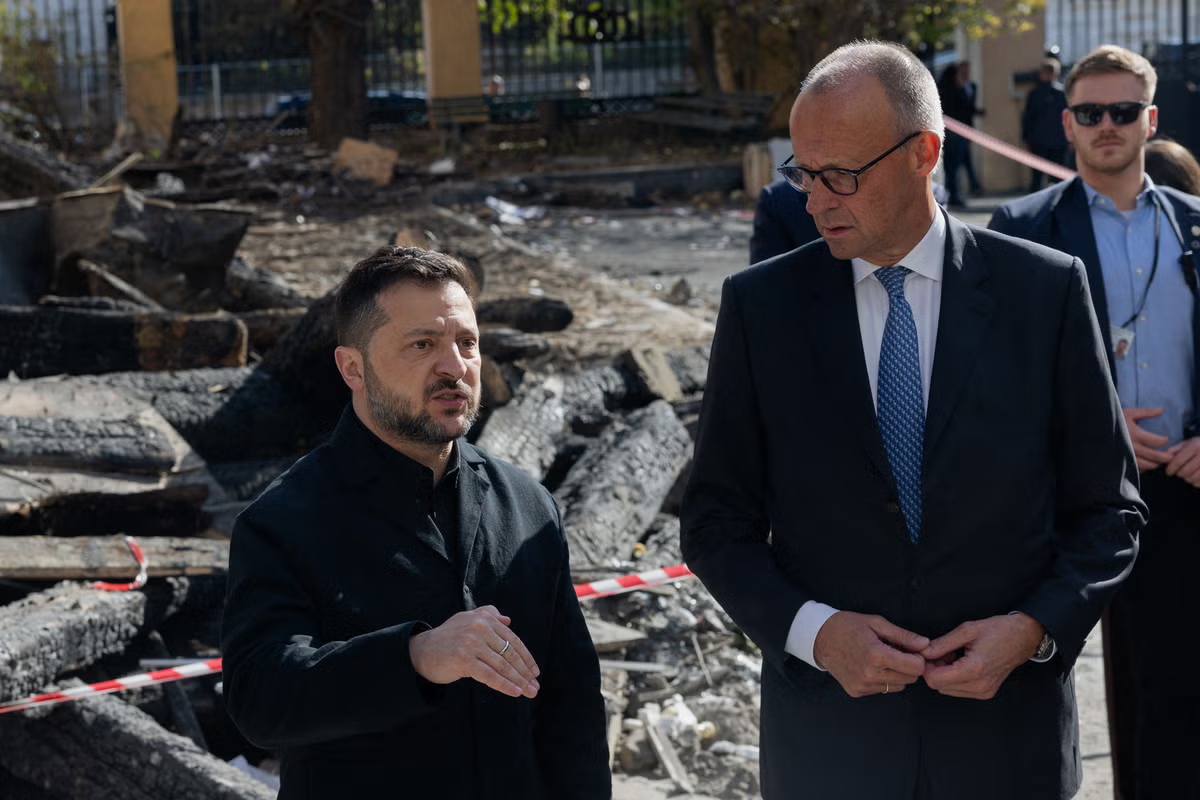
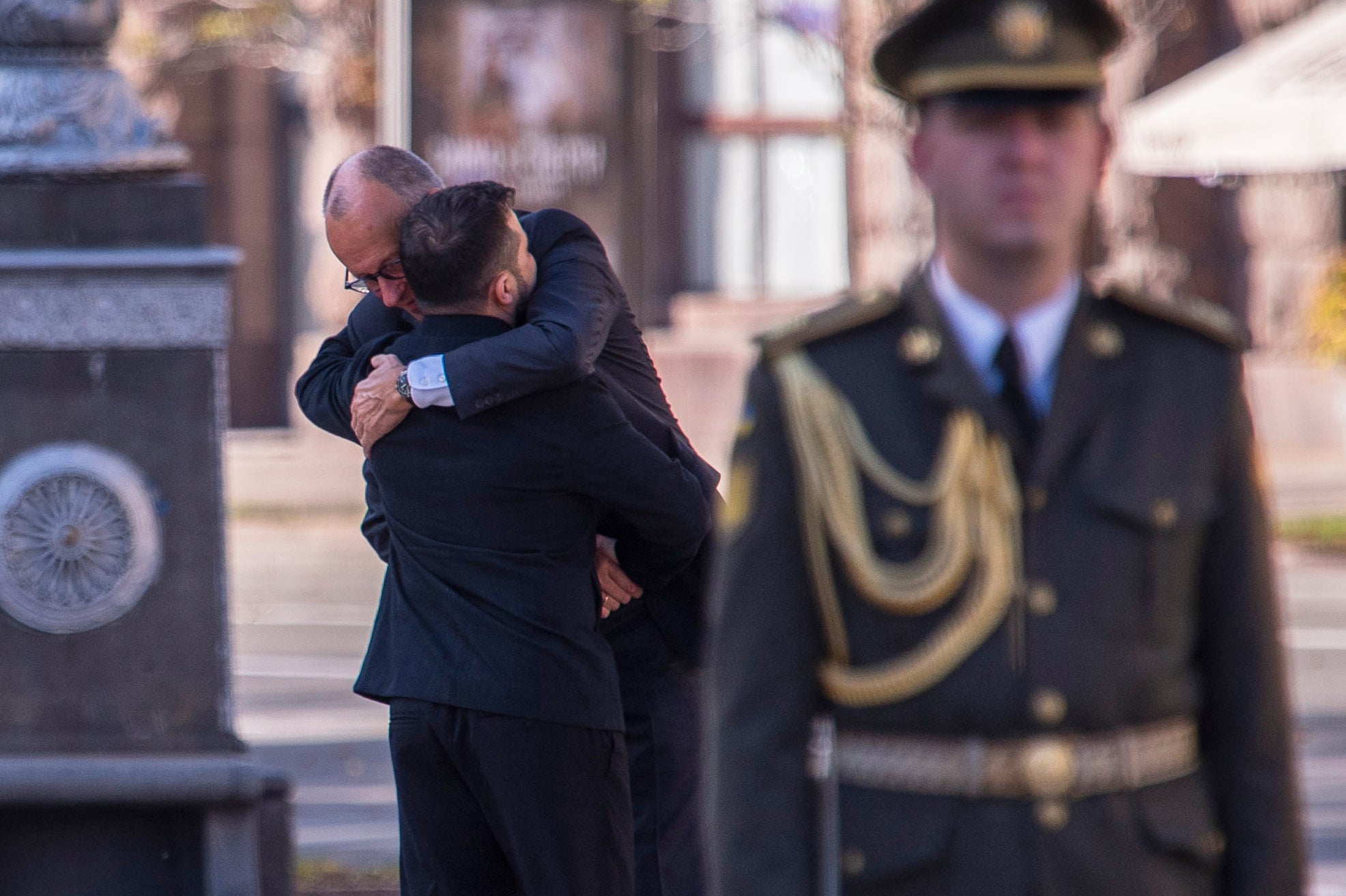
German Chancellor Friedrich Merz has arrived in Kyiv on Sunday to demonstrate support as Russia steps up strikes on Ukrainian cities.
Aerial warfare has intensified further, with Moscow targeting cities across Ukraine using difficult-to-intercept ballistic missiles and jet-powered drones, while Kyiv has launched strikes against Russian commercial interests and oil infrastructure.
Merz said his trip to Kyiv, his second as chancellor, was intended to underscore Germany’s ongoing commitment to Ukraine.
“If Russia is not stopped, its war machine will sooner or later turn against us,” he said in a statement on Sunday, adding that he told Ukrainian President Volodymyr Zelenskyy, “You can continue to count on our help.”
Merz described the partnership between the nations as “not a one-way street,” highlighting joint efforts by German and Ukrainian firms to build mutually beneficial technologies. “This makes us safer and stronger,” he stated.
Ukrainian Foreign Minister Andrii Sybiha said discussions would concentrate on “strengthening Ukraine, our defense and resilience, and our shared European security.”
Russia’s Foreign Ministry announced on Saturday that it would persist with “mass retaliatory strikes” against Kyiv and other Ukrainian cities, urging foreign citizens and diplomats to leave the country—reiterating a similar warning previously issued in May.
A Russian drone hit Kyiv’s Northern Bridge over the Dnipro River once more on Sunday morning. Footage on social media showed the drone striking the bridge and exploding near crossing traffic. No casualties were immediately reported.
This latest attack followed earlier strikes this week that forced full or partial closures across three of Kyiv’s six Dnipro River road bridges, gridlocking traffic in Moscow’s ongoing effort to disrupt daily life in the capital. Russia has previously targeted apartment buildings, supermarket warehouses, petrol stations, and data facilities, among other sites.
More than 4-and-a-half years after Russia invaded its neighbour, there remain no clear indications that a peace settlement might be possible. Clashes along the roughly 1,250-kilometre (780-mile) front line winding across northern, eastern, and southern Ukraine have remained largely stagnant in recent months.
About the Author