The FIFA World Cup 2026, co-hosted by the United States, Canada, and Mexico, is in full flow as the teams have completed the first round of fixtures.
The World Cup has started in sublime fashion. The likes of France, Argentina have started with convincing wins, as Kylian Mbappe and Lionel Messi have played a crucial part in it. Portugal suffered a draw at the hands of DR Congo, while Spain have also stuttered against Cape Verde.
Although we have just completed the first round of group stage matches, the World Cup has already witnessed a number of talking points and controversies. Here is a look into them-
1. Penalty Not Given in France vs Senegal
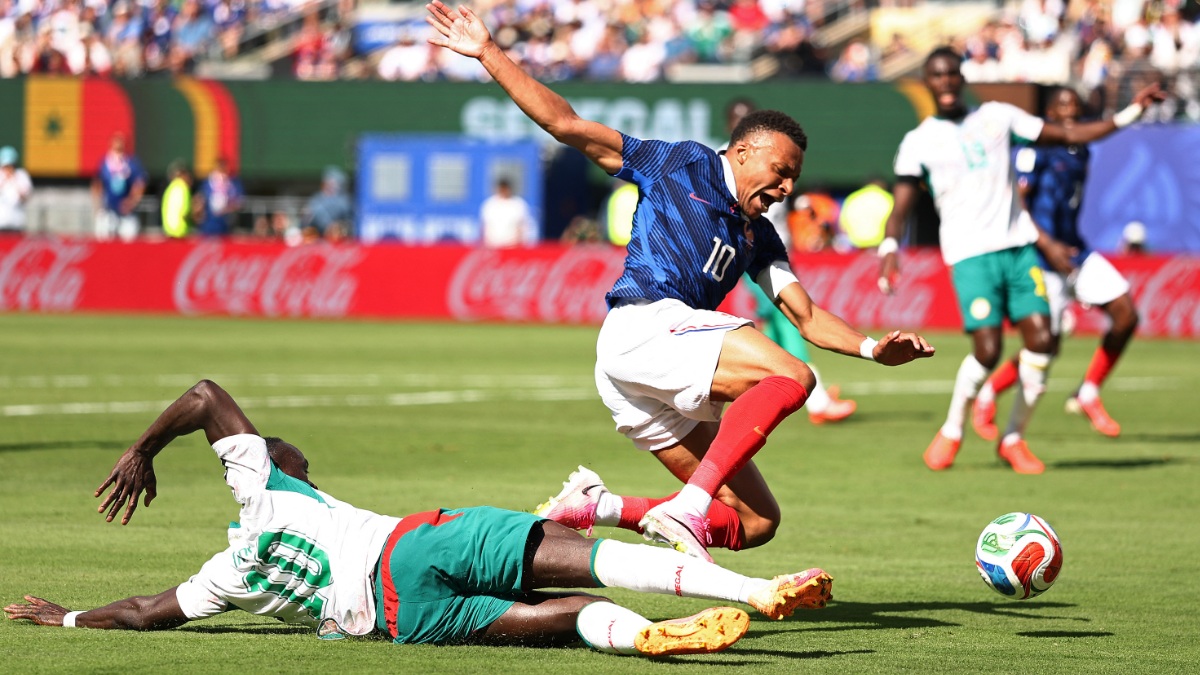
A major VAR controversy erupted during France’s Group I clash against Senegal at MetLife Stadium. Kylian Mbappé went down under a sliding challenge from Sadio Mané in the 58th minute. Iranian-Australian referee Alireza Faghani initially waved play on, then reviewed at the monitor but stuck with his decision, ruling Mbappé initiated contact. French fans and pundits erupted in outrage, calling it one of the worst calls of the tournament, while Senegal celebrated the 3-1 defeat for the defending champions. The incident highlighted ongoing debates over VAR consistency.
2. Spanish Blocked in Press Conference
FIFA faced backlash after a moderator halted a Mexican journalist from asking Morocco’s Achraf Hakimi a question in Spanish during a pre-match press conference. With Mexico as a co-host and a huge Spanish-speaking audience, the initial policy limiting interpretation to English and team languages sparked accusations of cultural insensitivity. Viral clips fueled outrage across Latin America. FIFA quickly backtracked, promising Spanish translation at all press events to quell the diplomatic storm.
3. Argentina-Algeria Fans Clash
Tensions boiled over in New York’s Times Square as Argentine and Algerian supporters clashed ahead of their Group J opener. Videos showed punches, kicks, and thrown objects in one of the world’s busiest tourist spots. Police intervened amid the chaos. The rivalry, amplified by passionate diaspora communities, raised safety concerns for host cities managing large, emotionally charged crowds during the expanded 48-team tournament.
4. Hydration Breaks and Bottle Ban for Fans
FIFA introduced mandatory three-minute hydration breaks around the 22nd minute of each half due to extreme heat risks, drawing criticism from players like Virgil van Dijk for disrupting game flow and enabling sponsor ads. Compounding frustration, a last-minute ban on fans bringing reusable water bottles into stadiums—citing security—sparked health warnings from experts amid soaring temperatures and high prices for inside drinks. Backlash forced some policy tweaks.
5. Thomas Partey Not Entering Canada
Ghana midfielder Thomas Partey missed his team’s opening Group L match against Panama in Toronto after Canadian authorities denied his visa due to pending UK sexual assault charges (which he denies). An appeal was rejected, forcing him to stay in the U.S. base camp. The case highlighted immigration complexities for players with legal issues and left Ghana without a key player for their crucial opener.
6. Iran Players and Staff Issues on USA
Geopolitical strains dominated Iran’s preparations. While players received visas, multiple backroom staff were denied entry by U.S. authorities, forcing the team to base in Tijuana, Mexico, and make rushed post-match dashes across the border. Players spoke of “tension” and feeling like political pawns. The situation, amid broader U.S.-Iran tensions, raised questions about hosting a global event amid international conflicts.
Story first published: Thursday, June 18, 2026, 3:49 [IST]
About the Author