Want to bookmark your favourite articles and stories to read or reference later? Start your Independent Membership today.
Already a member?
Log in
A British healthcare worker in the Democratic Republic of Congo has tested positive for Ebola, the UK government has confirmed.
It is the first case involving a British national linked to the current outbreak.
Reuters has seen an official document that says that the British citizen, who has not been named, is being medically evacuated from the Congo to the UK for specialist treatment.
The patient is in a stable condition and is expected to arrive in the UK on Wednesday or Thursday.
They will be transferred by a specialist ambulance to a high-consequence infectious disease unit, the document showed.
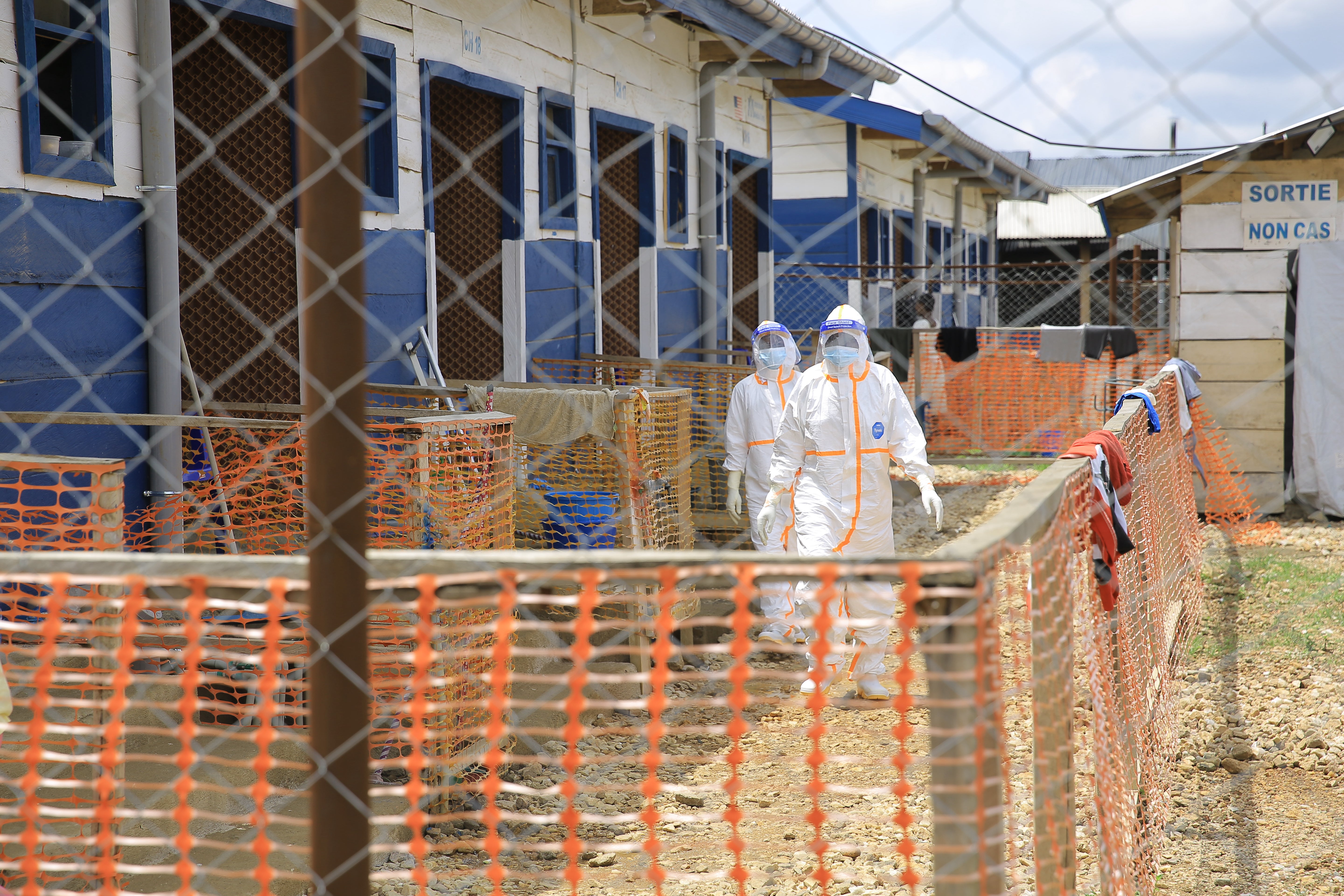
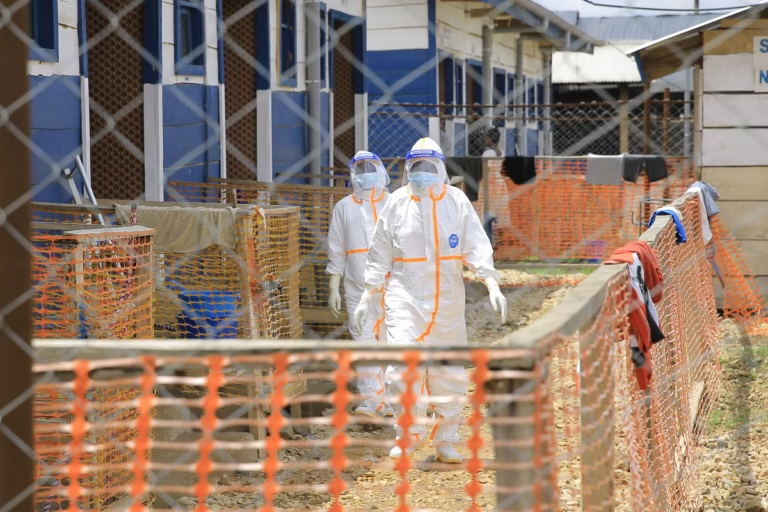
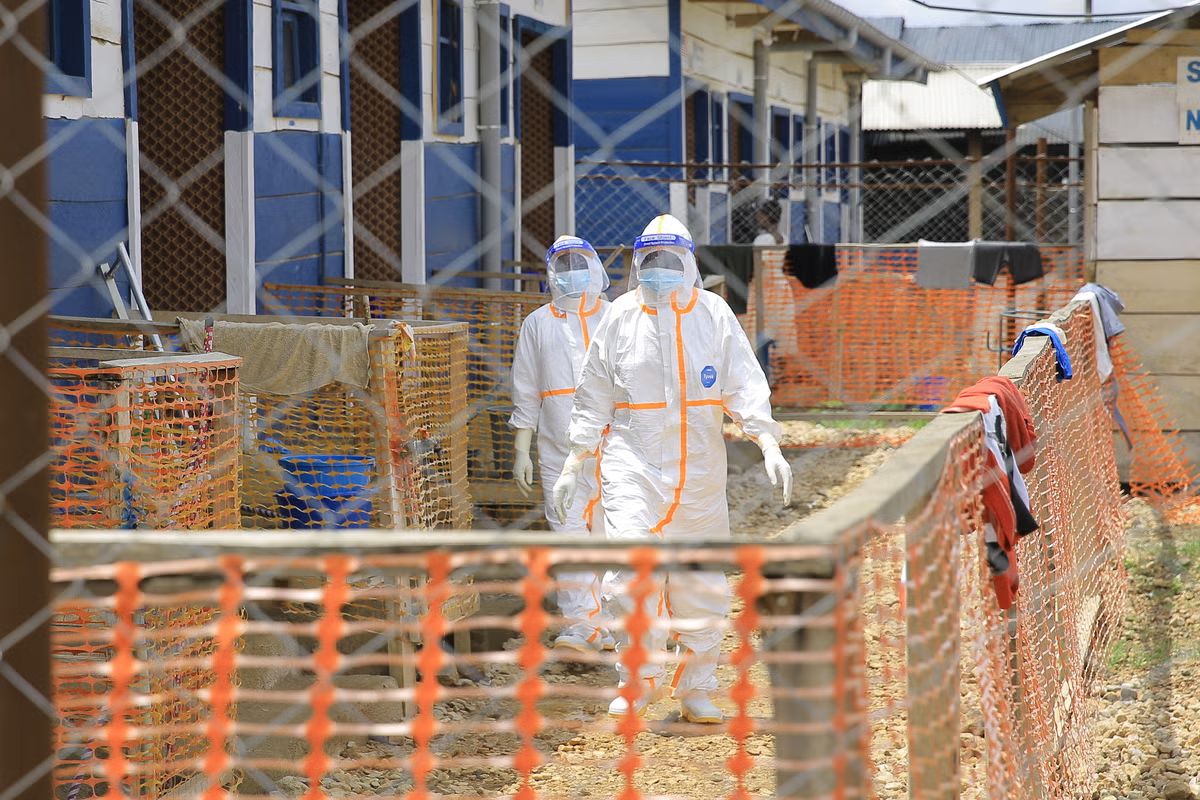
The Democratic Republic of Congo has been battling an outbreak of the deadly virus, caused by the rare Bundibugyo strain, since May.
The outbreak has since surpassed 10,000 cases with almost 5,000 deaths across four African countries. There is no approved vaccine or treatment for the strain.
The patient had been sent to Congo by a humanitarian organisation to help support the response to the outbreak.
In October, Switzerland evacuated an Ebola patient from Nigeria for treatment, while in June, France reported its first confirmed case tied to the outbreak in a doctor returning from a humanitarian mission.
The document seen by Reuters quoted British authorities saying they did not expect the case to have a serious public health impact in Britain, and anticipated no disruption to international travel or trade.
Ebola symptoms can start between two and 21 days after being infected.
They can appear suddenly and include flu-like symptoms, such as a high temperature, extreme tiredness and a headache.
Other symptoms include:
- being sick
- diarrhoea and tummy pain
- a skin rash
- yellowing of the skin and eyes
- blood in your poo
- lots of bruises all over your body
- bleeding from your ears, eyes, nose or mouth
- muscle pain
- sore throat
- blood in vomit or poo
- bleeding from nose, gums or vagina.
– NHS
“A British citizen currently in the DRC has tested positive for Ebola,” a spokesperson for the government said in an emailed statement.
“The risk to the UK public from Ebola remains low.”
Ebola is a severe viral disease spread through direct contact with an infected person or wild animal’s bodily fluids. The World Health Organization says the disease is fatal in about half of cases on average, though mortality rates vary between outbreaks.
British health authorities say that the risk to the wider public from imported Ebola cases remains low and the NHS has procedures in place to manage suspected and confirmed infections.
Imported cases are rare, with only four confirmed cases recorded in Britain since 1976, according to the UK Health Security Agency.
NHS statistics show that Ebola has never been spread from person to person in the UK.
The outbreak in the Democratic Republic of Congo is the second-largest on record, with more than 10,000 confirmed cases and nearly 5,000 deaths reported by late October.
‘They are not safe’
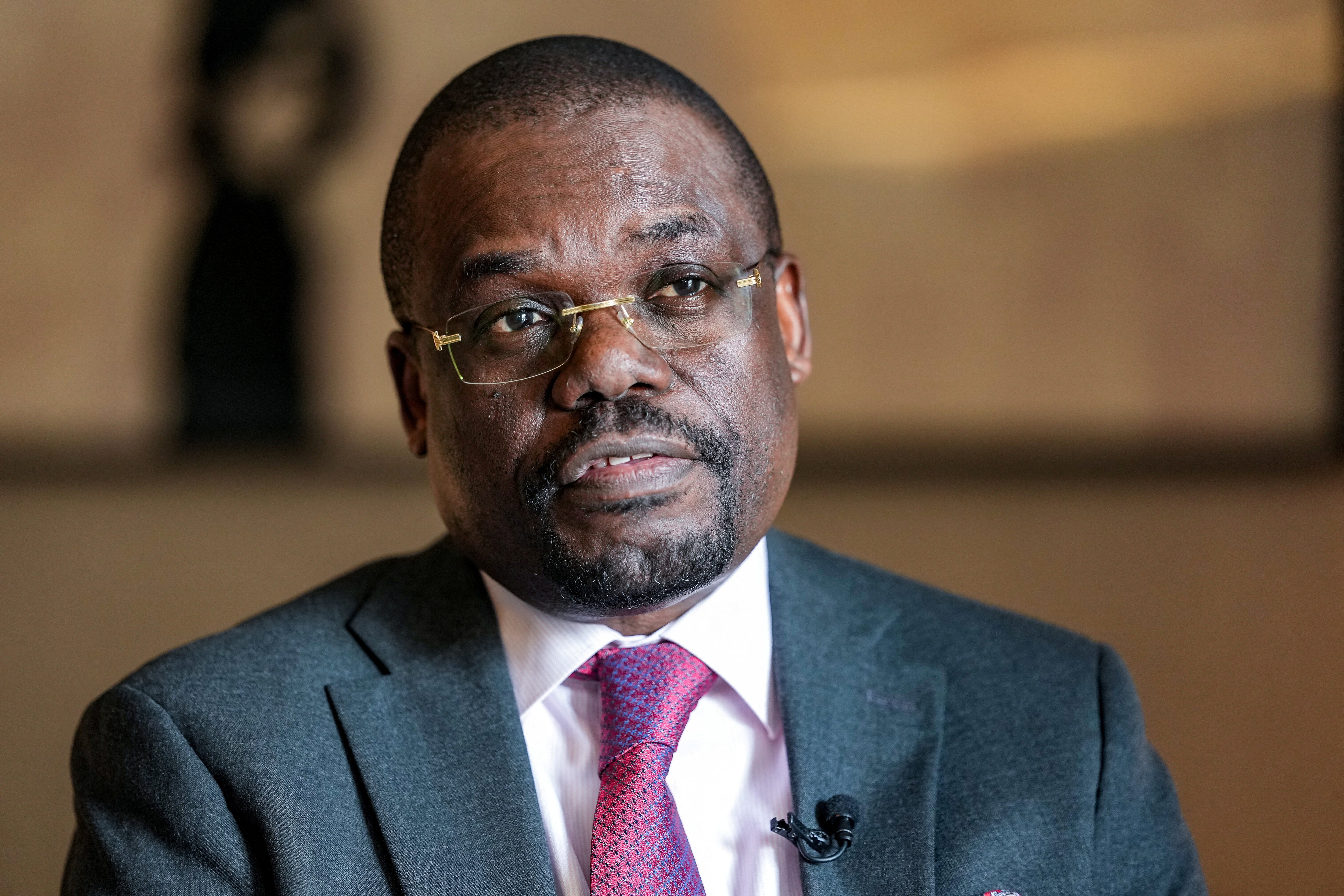
Just days ago, a top health expert warned that Ebola could spread like Covid and reach the UK if all continents do not take appropriate action.
Dr Jean Kaseya, director general of the Africa Centres for Disease Control and Prevention (CDC), compared the rapid spread of the disease to Covid-19, which started in China before spreading worldwide in 2020, taking millions of lives.
“We shouldn’t forget that at the beginning of Covid, many countries said there was zero risk of being affected, but a few months later, they became the hotspot,” he said.
“We don’t want to see the UK and other countries become the hotspot.”
Dr Kaseya stressed that all countries globally need to take action and be prepared for the possible spread of Ebola, The Guardian reported.
“We want all countries to know that they are not safe if they don’t take appropriate measures,” he said.
“Each country, not only in the African region, but all continents, must now increase the preparedness level and the possibility for treatment.
“It is the first time three African regions have been affected [by Ebola]. The geographic extension of this outbreak is unprecedented.”
Subscribe here to get the latest updates from The Independent.
About the Author