It was always going to be a close contest. But on the night, the figures showed just how divided Iceland was on the issue of whether or not to restart negotiations with the European Union.
After a nail-biting overnight count, the well-funded no campaign rejoiced on Sunday morning as the broadcaster RUV declared it the winner with about 52.8% of the vote. Given the size of Iceland’s population- barely 400,000 – the margins were tiny.
Opponents had criticised the no campaign as fearmongering, its tactics compared by some to those deployed by Brexit activists in the UK’s 2016 referendum. Its depiction of fishing and farming, two issues inextricably tied to Icelandic national identity, as threatened by EU membership were central to its success. Results showed a big split between voters in the capital region and the rest of the largely rural country, where among some there is a sense that national identity is at risk of being forgotten.
But it was perhaps also the question on the ballot paper that, despite the allure of a closer relationship with Europe at a time of global volatility and an erratic US president threatening Iceland’s larger neighbour, Greenland, helped them win the day.
The question Icelanders were asked was “Should Iceland resume accession negotiations with the European Union?” A second referendum would be held once a deal had been reached.
This meant that a vote yes would have actually been a “yes, maybe”, whereas a no vote was always a clearer, more decisive move. One of the “yes, maybe” campaign’s slogans was “Já til að sjá” (“yes to see”), which felt vague in comparison to the bullish claims of the no campaign.
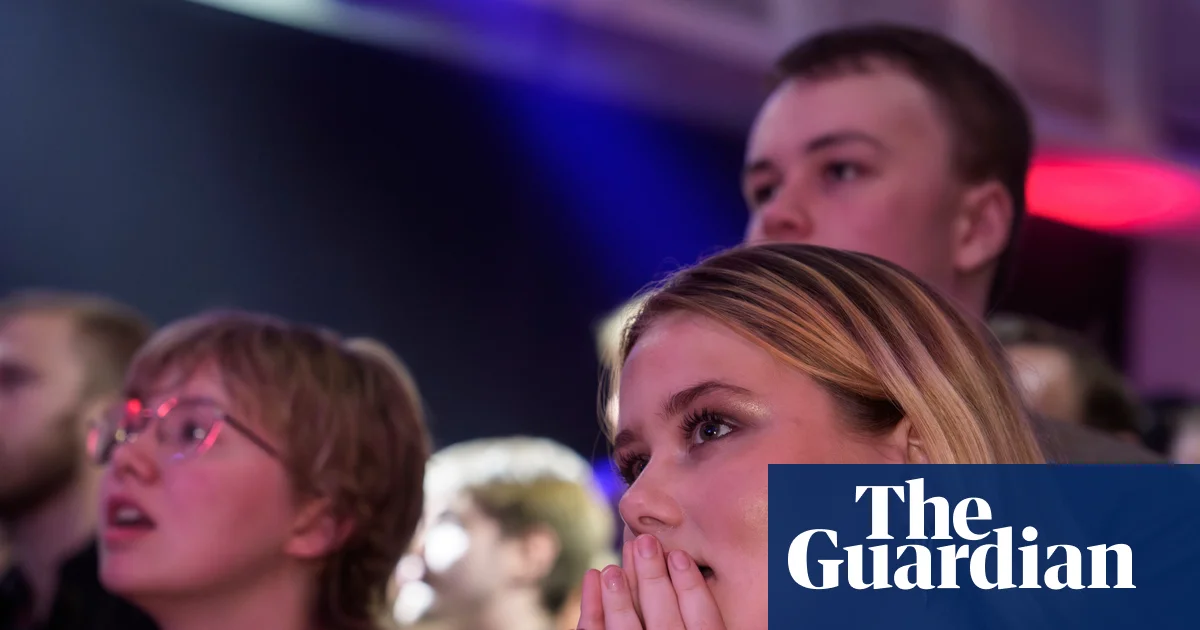
At a bouncing yes campaign party at Reykjavík Art Museum in the Icelandic capital’s downtown area, at a point in the election night where yes seemed to have edged ahead, the yes supporter Þòrir Snoor said: “The no side has done a lot of fearmongering and done it very very well.”
While he had a lot of peers who, like him, thought the euro could be the solution to the country’s high inflation and high interest rates, the 25-year-old added: “A lot of my friends have said they are scared of the European Union.”
Wearing a blue EU cap, Snædis Inga Rúnarsdóttir, 30, agreed that the no campaign had been louder – and better funded. She said she would have to make peace with a potential win by no, but hit out at a swirl of misinformation around the referendum.
after newsletter promotion
Iceland’s foreign minister, Þorgerður Katrín Gunnarsdóttir, had previously said she feared her country faced a “Brexit moment” amid warnings over the potential influence of misinformation, foreign interference and AI in the referendum. Just before midnight when votes were still being counted, she told the Guardian that whatever the result “at least Icelandic people have shown it was the right thing to have a vote”.
Before being ushered deeper on to the dancefloor, she added: “And what I like the most is now foreign policy is, everything is, on the agenda.”
About the Author