A fresh wave of US tariffs on a wide array of Canadian goods came into effect on Saturday after a last-minute breakdown in trade talks.
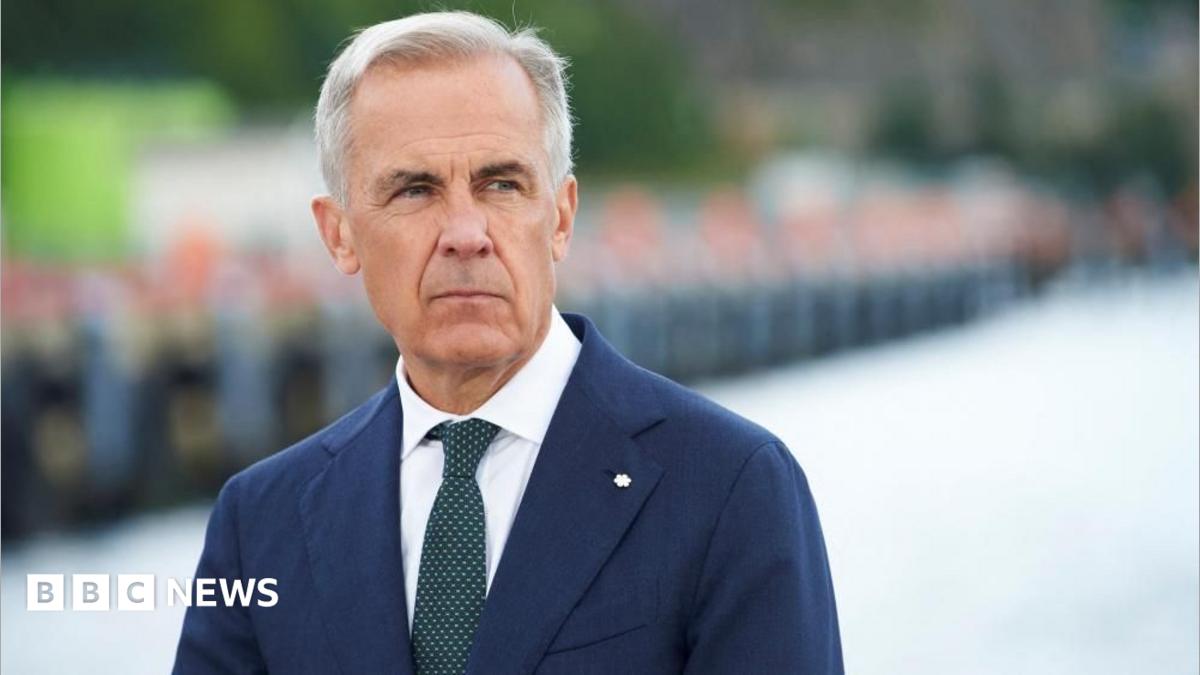
Announcing the suspension of negotiations shortly before the Friday night deadline, Canadian Prime Minister Mark Carney said he would impose reciprocal tariffs on US goods “dollar for dollar”.
Carney said “last-minute changes in the US proposed terms were unfair, uneconomic, and called into question the reliability of any deal”.
Trade negotiators had been engaged in intense talks since July, after President Donald Trump threatened to impose a 50% levy on nearly $20bn (C$28bn) of Canadian imports by 19 August.
Trump had temporarily paused those tariffs earlier in the week, saying the two sides were close to signing a trade deal that was “very good” for both countries.
But minutes before the deadline for a deal, Carney said that while “important progress” had been made in the talks it was “not enough to meet our objectives for Canadians”.
“As a result, this evening, I have decided to suspend trade negotiations with the US and have directed negotiators to return to Ottawa,” he said.
“Last-minute changes in the US proposed terms were unfair, uneconomic, and called into question the reliability of any deal.”
After Carney’s announcement US trade representative Jamieson Greer said in a statement: “Tonight, Canada declined to finalise the trade deal under the terms agreed earlier this week.
“Despite the US offer to Canada to receive the best treatment of any major exporter to our market, new demands and walk backs of other commitments by Canada have upended the careful balance reached in the past days.”
The breakdown in talks marks a significant shift in tone from earlier in the week, when both US and Canadian officials sounded optimistic that a trade deal beneficial for both countries was within reach.
Negotiators were reportedly discussing a deal that would reduce US tariffs on Canadian steel and aluminium from 50% to 25%, and on Canadian autos from 25% to 15%.
In exchange, Carney had asked Canadian provinces to restore US alcohol to store shelves.
Tensions between the two major trading partners have been simmering since Trump returned to office in January last year and unleashed a wide-ranging global programme of tariffs, upending decades of free trade between Canada and the US.
Now that talks have broken down, Canada will be hit with new 50% US tariffs imposed by Trump using a Depression-era law called the Tariff Act of 1930.
They will be applied on a range of goods, including wine, dairy, cement, clothing and hockey equipment.
They are in addition to existing tariffs the US had already imposed on Canadian steel and aluminium, autos and lumber.
Businesses and stakeholders on both sides of the border had pushed for a deal to be reached, arguing that the new US tariffs on Canada will be harmful to both countries.
In a statement, the Canadian Chamber of Commerce called the tariffs “a body blow to North American competitiveness”.
“For a small Canadian exporter operating on tight margins, this isn’t an abstract trade dispute. It means looking at your orders, your payroll and your employees and asking what you can still afford,” said the chamber’s president Candace Laing.
Canada could lose 90,000 jobs if the new tariffs were implemented, according to estimates in an analysis published on Thursday, external by Calgary-based economist Trevor Tombe.
Financial analysts have projected the new 50% tariffs could take a bite of 0.3% to 0.6% of Canada’s overall GDP.
Doug Ford, premier of Canada’s most populous province Ontario, said “the prime minister has my full support for a strong response – tariff for tariff, dollar for dollar”.
Ontario, which has a large manufacturing and auto sector, has been among the hardest hit of Canada’s provinces in this trade dispute. The economies of Quebec and British Columbia are also going to be especially exposed to the new tariffs.
Canada has been engaged in on-again, off-again trade negotiations with the US for over a year in pursuit of a deal that would see the US drop or reduce tariffs on these key sectors.
The US, meanwhile, has been asking for a number of concessions from Canada, including removing its remaining retaliatory tariffs on American autos and adjusting its dairy quotas to allow greater access for US cheese producers.
It has also asked that the ban on US alcohol sales, imposed last year by most Canadian provinces in retaliation to Trump’s tariffs, be removed.
In a statement on Saturday, the Distilled Spirits Council of the United States said it was “unfortunate that the Canadian provinces’ continued refusal to return US spirits products to store shelves has led to this outcome”.
It said exports to Canada fell more than 70% year-over-year from the start of the retaliatory ban in March through December 2025.
A recent poll by Canadian firm Abacus Data suggested that around 36% of Canadians would support retaliating to US tariffs, while another 30% would want the Carney government to continue negotiating.
Retaliation risks upsetting the Trump administration, with trade representative Jamieson Greer saying the US is “not going to tolerate” counter-tariffs.
“We’ll take action,” he told reporters last week.
About the Author