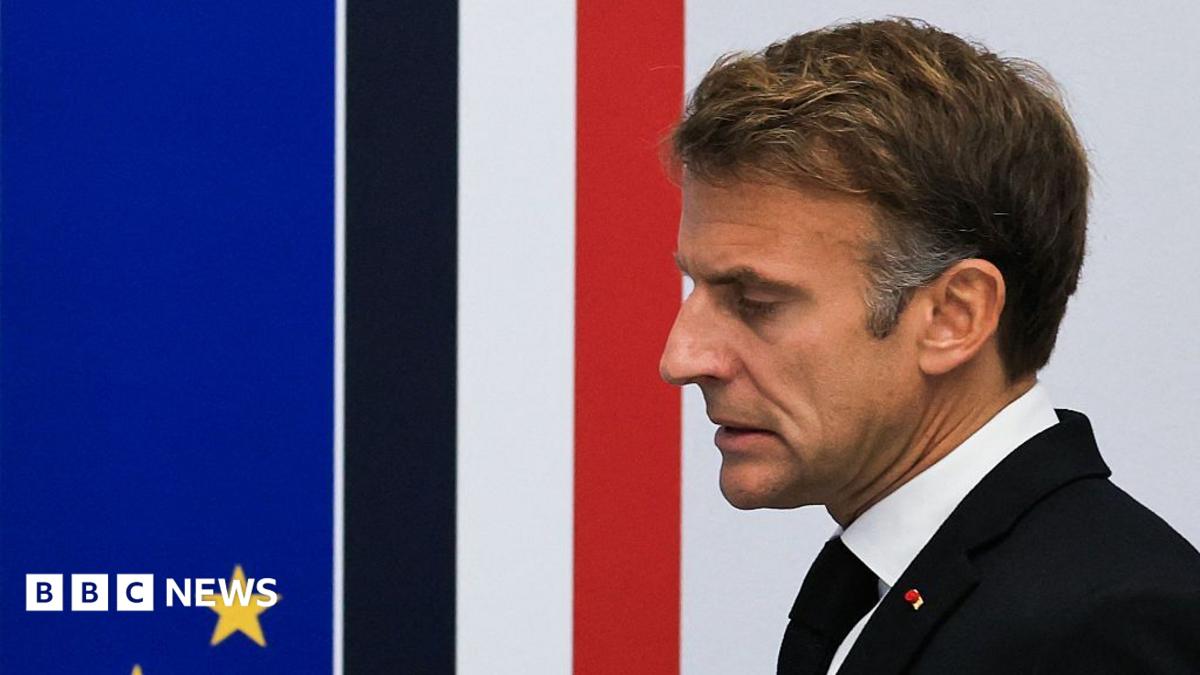
France’s Prime Minister Sébastien Lecornu is holding a crisis cabinet meeting on Monday to assess a weekend of violence and looting across the country, in what were some of the worst scenes of public disorder in modern French history.
Interior Minister Laurent Nuñez tried to hand in his resignation, the Élysée Palace (French President Macron’s HQ) announced on Monday morning. But instead, Macron has asked him to examine how to make France’s streets safer and to bring the perpetrators of the weekend violence to justice.
Over half a million mainly peaceful protesters demonstrated on Saturday against rising living costs and dwindling access to decent public services, including a good state education. But the protests turned nasty after groups of black-clad, masked activists and vandals appeared.
An estimated 1,500 shops and businesses were looted and destroyed. Riot police fired tear gas and turned water cannon on crowds. They were seen hitting people with batons in several places. France’s interior ministry said about 1,000 police officers were injured on Saturday, seven of them seriously.
Interior Minister Nuñez has been accused by political opponents, some trade unions and on social media forums for being ill-prepared and under-policed ahead of Saturday’s multiple, scheduled protests.
The president of France’s lower house of parliament, Yaël Braun-Pivet, says she wants to open an inquiry into exactly what happened.
“Things are dark in the City of Light” – the nickname for Paris – was the graffiti I read daubed in red paint across a wall adjacent to a row of shattered shops in the French capital on Sunday night.
There had been rumours in France that President Emmanuel Macron may introduce a temporary curfew in parts of the country, or even impose a state of emergency to help calm the febrile atmosphere.
In the end, he used a televised address to the nation on Sunday to call for national unity and to try to assure the French public that the perpetrators of the violence would be punished.
Macron’s speech has been roundly criticised in the French media for lacking concrete detail.
How will vandals and rioters now be brought to account?
How might France’s towns and cities be better protected – especially since new mass demonstrations have been announced in a couple of weeks’ time?
Exactly how will destroyed businesses be compensated?
And when will a dialogue be established with students and teachers’ bodies on the subject of education? That is how these demonstrations started in the first place, last month.
About the Author