Want to bookmark your favourite articles and stories to read or reference later? Start your Independent Membership today.
Already a member?
Log in
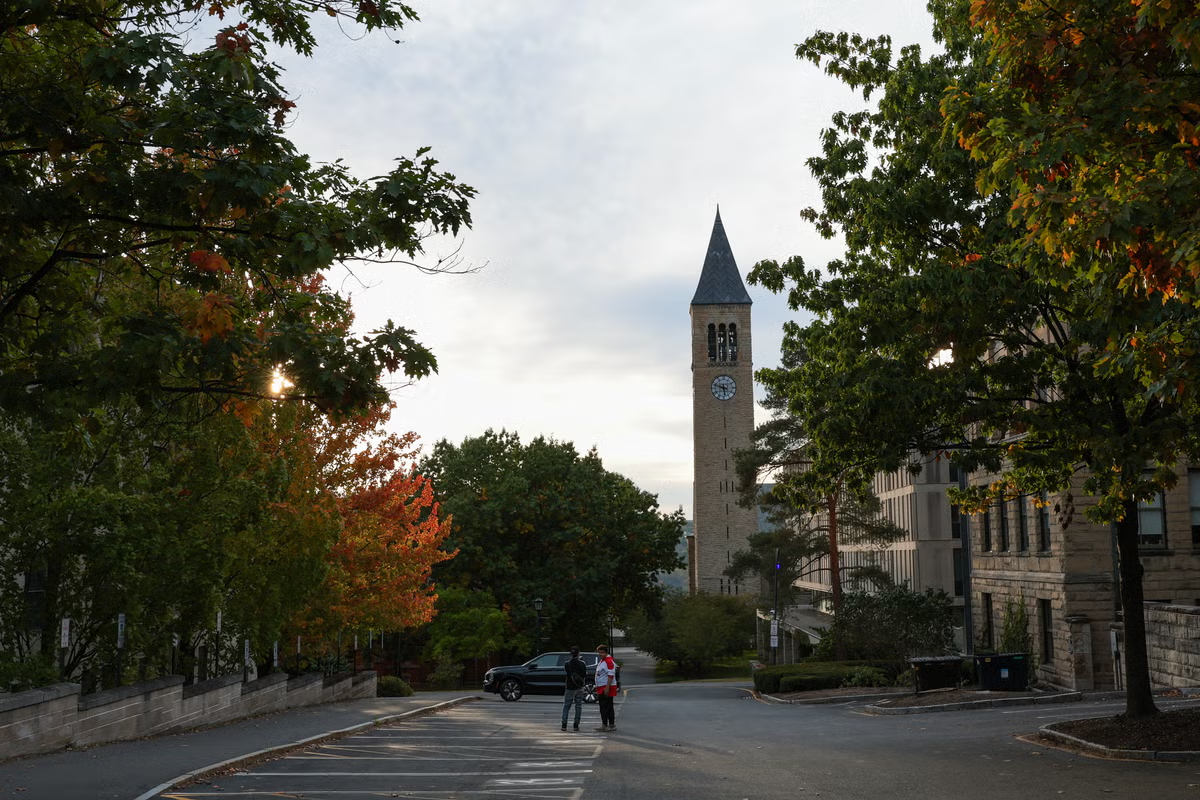
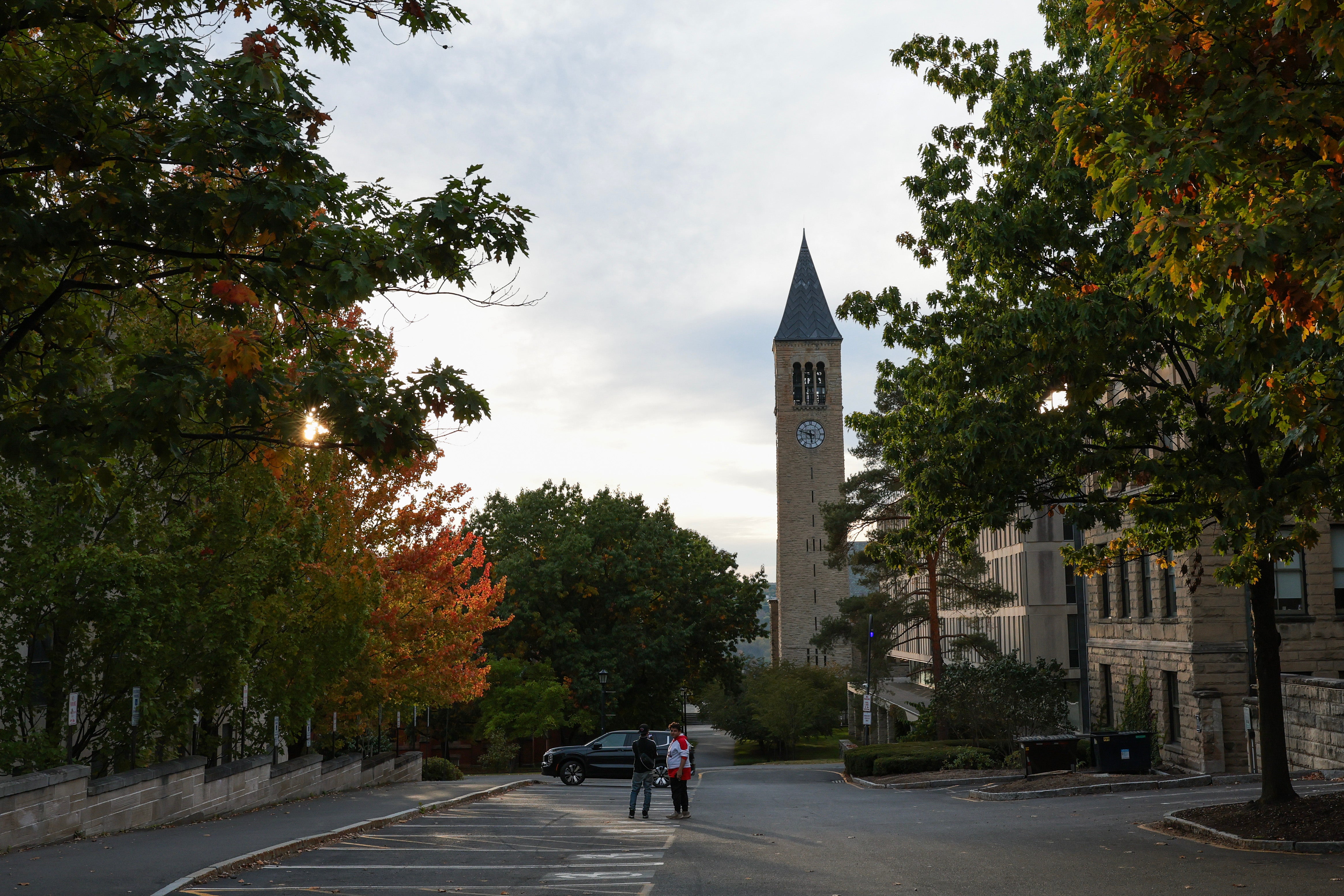
Cornell University has banned fraternity parties and enlisted sexual assault investigators after gang rape allegations drew national attention to the Ivy League school.
President Michael Kotlikoff announced the changes in a letter to the campus community Tuesday, a month after a former student, identified only as Jane Doe, filed a civil lawsuit alleging she was drugged and raped by seven men at at a Chi Phi fraternity party in 2024.
“I am deeply sorry for the harm Jane Doe suffered in 2024, and appalled that this act of sexual violence occurred within our Cornell community,” Kotlikoff wrote. “It is clear that women on our campus continue to question whether they are safe. We must meet this moment by acknowledging where we have fallen short and taking meaningful action.”
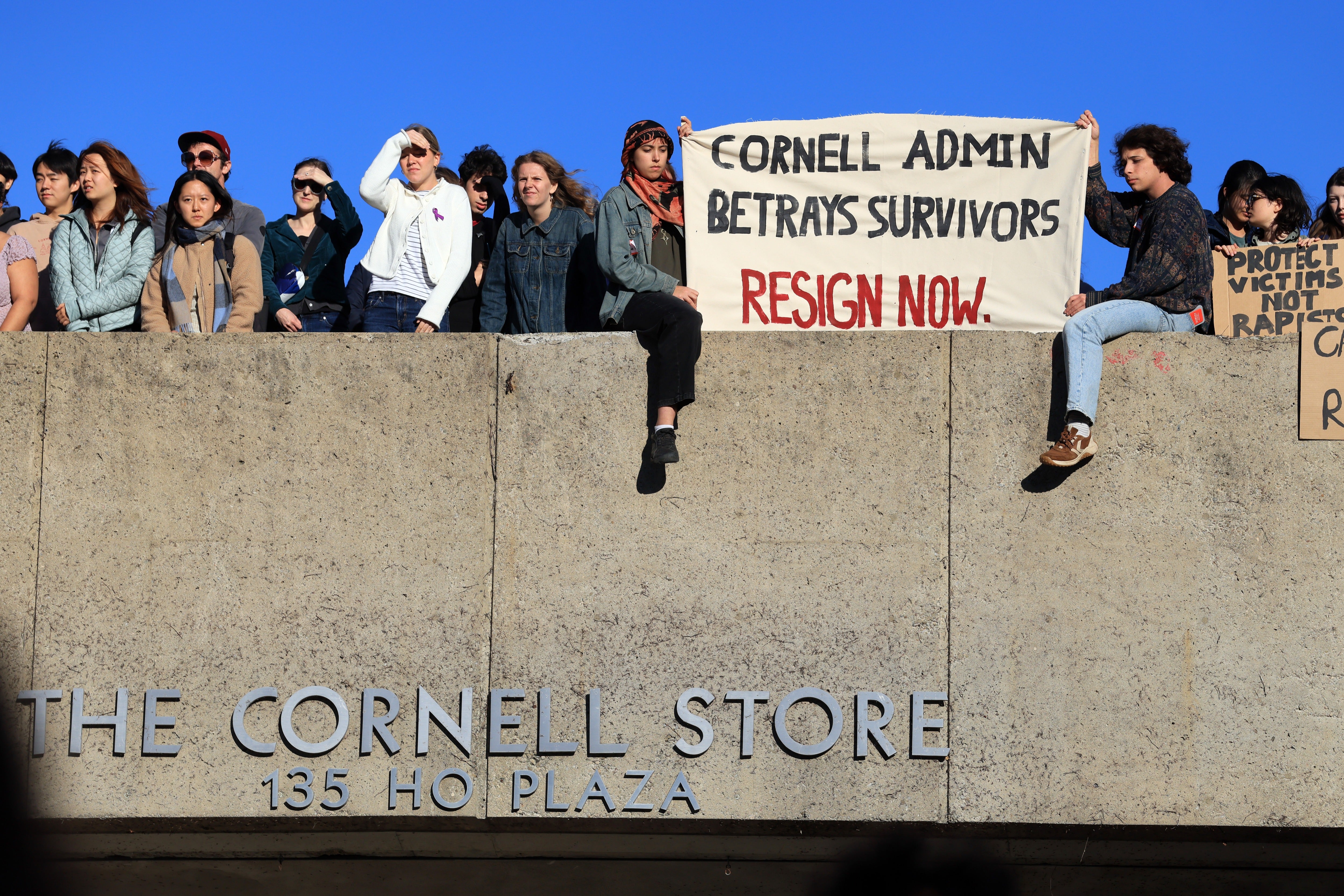
The president said he had spent weeks listening to concerns of students, parents, faculty, staff and alumni. Protests have erupted on campus with demonstrators accusing the university of failing to act sufficiently.
A series of changes will now take effect immediately, including the suspension of all social events and parties at fraternity houses for the remainder of the academic year.
“There will be zero tolerance for violations of this directive,” Kotlikoff wrote. “Any fraternity holding an in-house party or social event will receive an immediate emergency suspension.”
Survivors of sexual assault will also receive stronger support with additional staff added to the Cornell Office of Civil Rights. New York State Police criminal investigators will also be brought in to investigate campus allegations.
Lastly, the university will move to change the “social culture” on campus. “Research has shown that campus sexual assault is not limited to the fraternity system. At its core is the specific context of social behavior and a deeply disturbing prevalence of alcohol and drug abuse,” Kotlikoff wrote.
The New York college will expand bystander-intervention education, work with community safety organizations and draw on faculty members with expertise in rape culture.
Earlier this month, Cornell tapped former Deputy Attorney General Sally Yates to lead an independent probe into how the university handles sexual assault claims. On Tuesday, Kotlikoff stressed that “we cannot wait for these findings to take action.”
After Cornell’s Jane Doe filed a civil lawsuit last month, Tompkins County District Attorney Matthew Van Houten — who initially declined to pursue charges over the alleged rape — reopened the investigation.
New York Governor Kathy Hochul subsequently reassigned the case to state Attorney General Letitia James as special prosecutor. It has been described as an “active criminal investigation.”
None of the men named in the lawsuit have been charged with a crime. All have denied wrongdoing.
After police were contacted in 2024, Cornell opened its own investigation, which involved numerous hearings and resulted in suspensions and expulsions for some students involved in the case. The Chi Phi fraternity was also shut down.
“Any suggestion that the University did not impose consequential punishments for those involved is false,” the university said in an earlier statement. “A continuation of the false narrative that there were minimal consequences in this case is irresponsible, will make survivors feel less safe and supported, and will perpetuate the underreporting of sexual assault.”
Earlier this month, hundreds of students demonstrated on Cornell’s Ithaca campus. Many carried signs accusing the school of betraying survivors and failing to adequately punish accused perpetrators.
About the Author