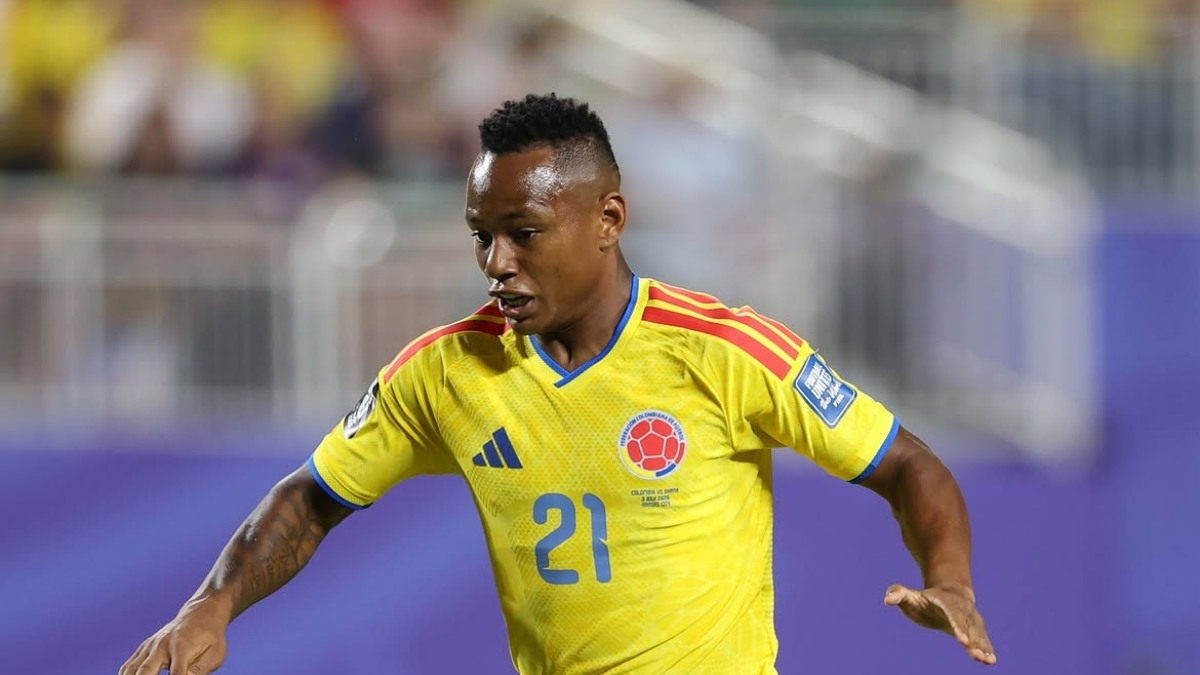
The Colombian Football Federation (FCF) has strongly condemned death threats directed at midfielder Jaminton Campaz and his family following their elimination from the World Cup 2026.
Colombia’s campaign ended on Tuesday (July 7) with a 4-3 penalty shootout defeat to Switzerland in the round of 16.
The 26-year-old forward, who plays club football for Argentina’s Rosario Central, became a target of intense online abuse after missing a golden scoring opportunity in extra time. With the score still level late in the additional period. Campaz found himself in a promising position near goal but fired his shot over the bar, squandering a chance that could have sent Colombia through.
While most of the Colombian squad, including captain James Rodríguez and Davinson Sanchez, returned home to Bogotá shortly after the match, Campaz reportedly stayed behind due to the severity of the threats against him, his wife, and their 5-year-old daughter. Fans and online trolls flooded his social media with insults, blaming him for the exit and escalating to direct death threats.
In a heartfelt Instagram post, Campaz shared a photo of himself covering his face in frustration and appealed for respect/
“Football is also made up of difficult moments. My Colombia, please let us never lose sight of respect. We may think differently or feel frustration and sadness, but no passion justifies hatred or living in fear,” a part of his post wrote on Instagram.
The FCF issued a firm statement on Friday, declaring that no athlete or their loved ones should face intimidation for representing their country. “Football must be a space for unity, respect, and hope – never a setting for hatred, intimidation or violence,” the federation emphasized.
They have formally urged the country’s attorney general’s office to fast-track an investigation into those responsible for the threats.
The Tragic Killing of Andrés Escobar
In a chilling parallel, during the 1994 World Cup in the United States, defender Andrés Escobar scored an own-goal in a 2-1 group-stage loss to the hosts. Colombia was eliminated early as one of the tournament favorites.
Just days after the team returned home, on July 2, 1994, in Medellín, Escobar was murdered. After a night out at a discotheque called El Indio, Escobar and his companions faced verbal abuse from individuals, including brothers linked to local criminal elements, who mocked him with cries of “autogol” (own goal).
An argument ensued, and the driver for the group, Humberto Munoz Castro, approached Escobar’s vehicle and shot him six times. Escobar, aged 27, died shortly afterward from wounds to his lung, stomach, neck, and arm.
Colombian authorities and the football community are now working to prevent history from repeating itself.
Story first published: Saturday, July 11, 2026, 9:30 [IST]
About the Author