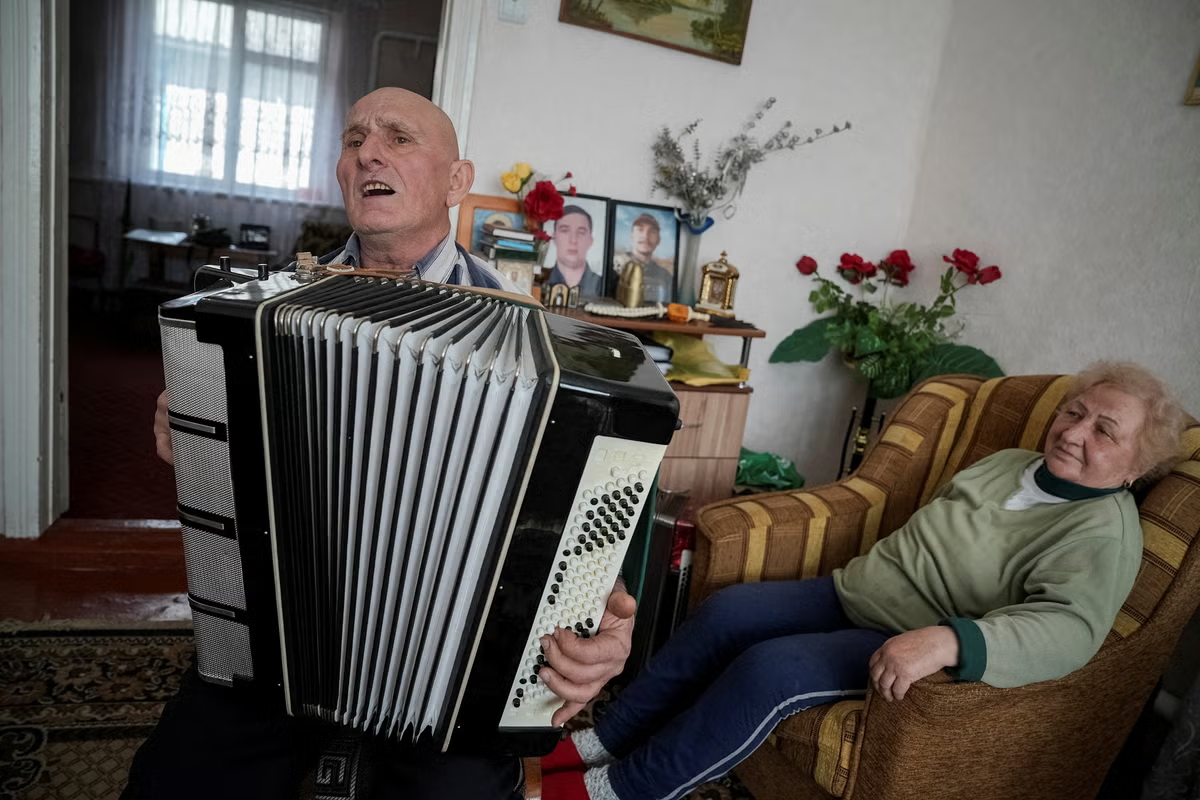
Forty years after the world’s worst nuclear accident, Petro Hurin continues to grapple with the devastating health consequences of his time as a “liquidator” at Chernobyl. His health, he says, has never been the same since he was dispatched to clear the site in the wake of the catastrophic explosion.
Mr Hurin was one of hundreds of thousands of individuals mobilised to clean up after the blast at reactor four of the Chernobyl nuclear plant in Ukraine on 26 April 1986. The disaster unleashed clouds of radioactive material that spread across much of Europe, leaving a toxic legacy.
In the immediate aftermath, 31 plant workers and firefighters perished, primarily from acute radiation sickness. Since then, thousands more have succumbed to radiation-related illnesses, including various forms of cancer, though the precise total death toll and long-term health effects remain a subject of intense debate among experts.
In June 1986, Mr Hurin, whose company supplied diggers and construction vehicles, was sent to the Chernobyl exclusion zone. He recounts that of the 40 people from his firm who were sent, only five are still alive today.
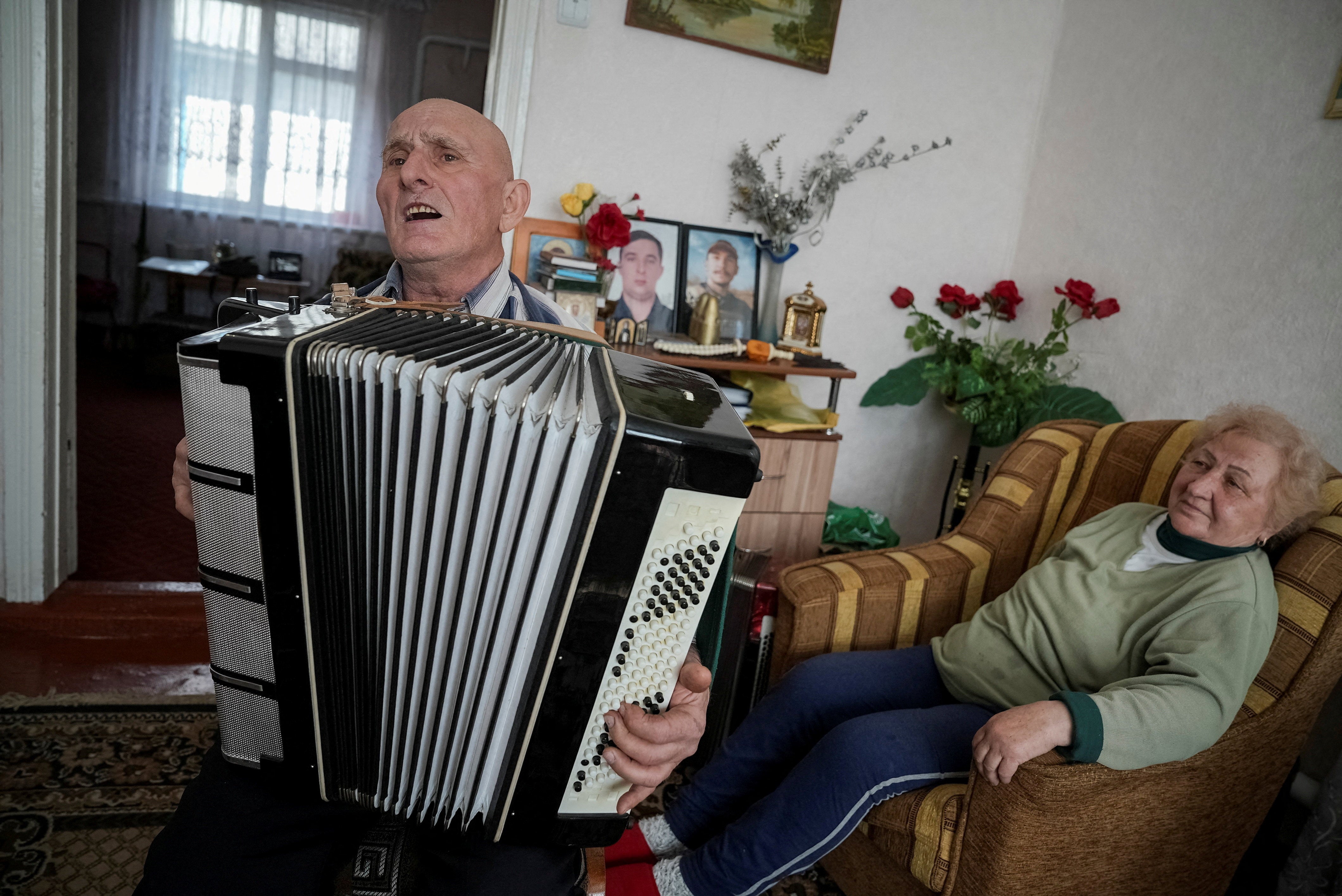
“Not a single Chernobyl person is in good health,” the 76-year-old stated. “It’s death by a thousand cuts.”
Soviet authorities, in a bid to conceal the true extent of the disaster, notably refused to cancel the May 1 parade in Kyiv, located approximately 100 kilometres (60 miles) to the south. Ukraine’s current government has frequently highlighted the Soviet authorities’ bungled handling of the accident and their subsequent attempts to cover up the catastrophe.
Mr Hurin recalled that some colleagues produced medical certificates to avoid serving in Chernobyl, but he felt compelled to help. “I realised that, however small my contribution might be, I was doing my bit to help tame this atomic beast,” he said.
Working gruelling 12-hour shifts, Mr Hurin operated an excavator, loading dry concrete mixed with lead – transported to the site by river barge – onto trucks. This material was then used to construct a massive sarcophagus around the damaged reactor, designed to contain the deadly radiation.
“The dust was terrible,” Mr Hurin remembered. “You’d work for half an hour in a respirator, and it would end up looking (brown) like an onion.”
Within just four days, Mr Hurin began experiencing severe symptoms, including headaches, chest pain, bleeding, and a metallic taste in his throat. Despite medical treatment, after another shift, he could barely walk, fearing he had “a day or two” left to live.
“I was brought to the hospital, and the doctors did a blood test first,” Mr Hurin recounted. “They pricked all my fingers and a pale liquid came out, but no blood.”
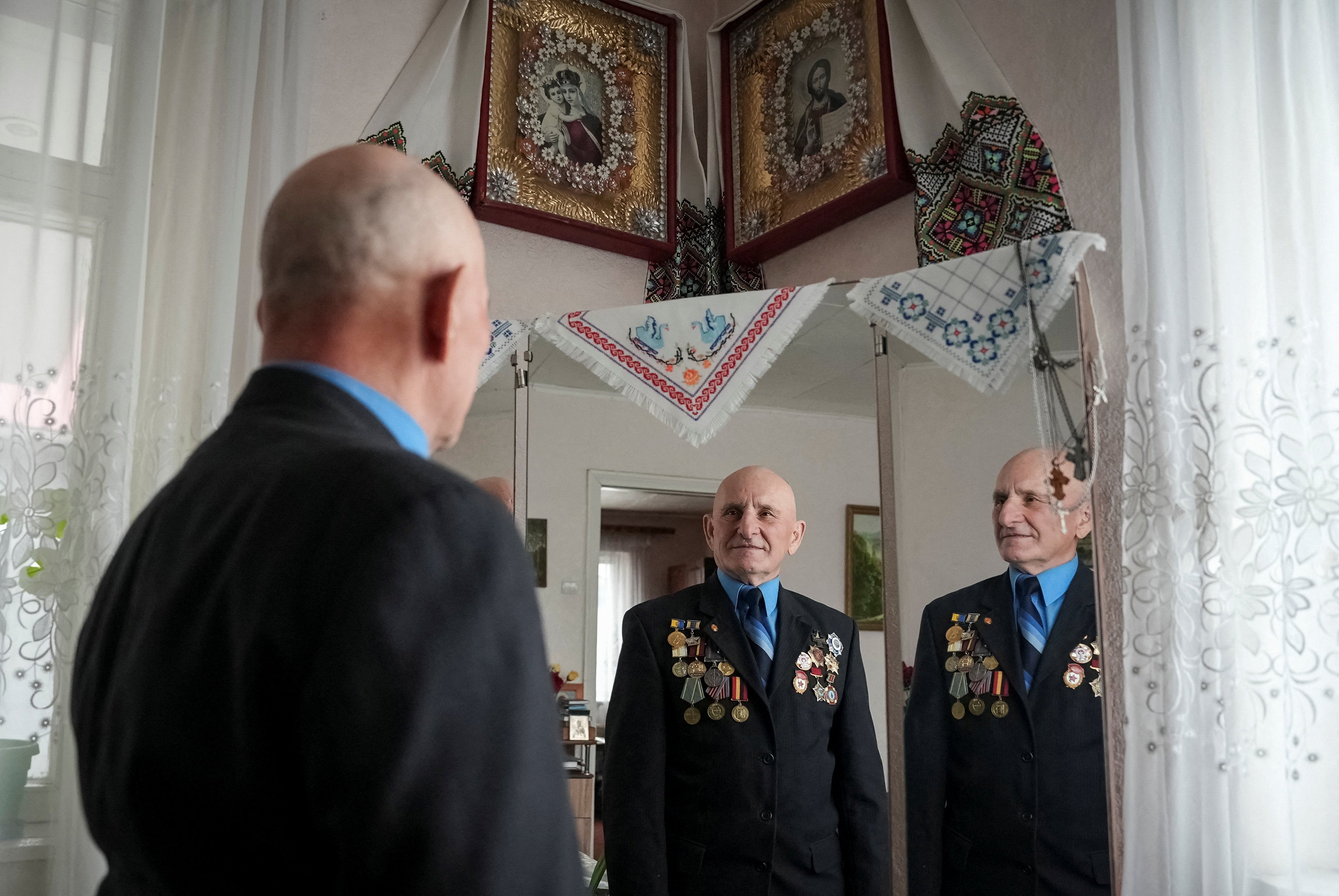
Soviet doctors, he said, were forbidden from diagnosing radiation sickness, instead telling him he suffered from vegetative-vascular dystonia, a nervous disorder often attributed to stress. Before the disaster, Mr Hurin had never taken sick leave, but afterwards, he spent around seven months moving between hospitals for treatment, including a blood transfusion.
He has since been diagnosed with anaemia – a condition often linked to radiation sickness – as well as angina, pancreatitis, and a host of other ailments. By Ukrainian standards, Mr Hurin has lived a remarkably long life; the World Health Organisation reported the average life expectancy for men in Ukraine as 66 in 2021, a figure impacted by the Covid-19 pandemic.
Now retired, Mr Hurin lives with his wife, Olha, in Ukraine’s central Cherkasy region. Despite his ongoing health struggles, he finds solace in playing the bayan, a type of accordion, and writing songs and poems. He is also actively campaigning to secure a special disability pension for ‘liquidators’ of the nuclear disaster.
However, a second catastrophe has come to dominate his life: Russia’s 2022 invasion of his homeland. He and Olha regularly visit a memorial in nearby Kholodnyi Yar dedicated to their grandson, Andrii Vorobkalo, a Ukrainian soldier who was killed three years ago in the war, aged 26.
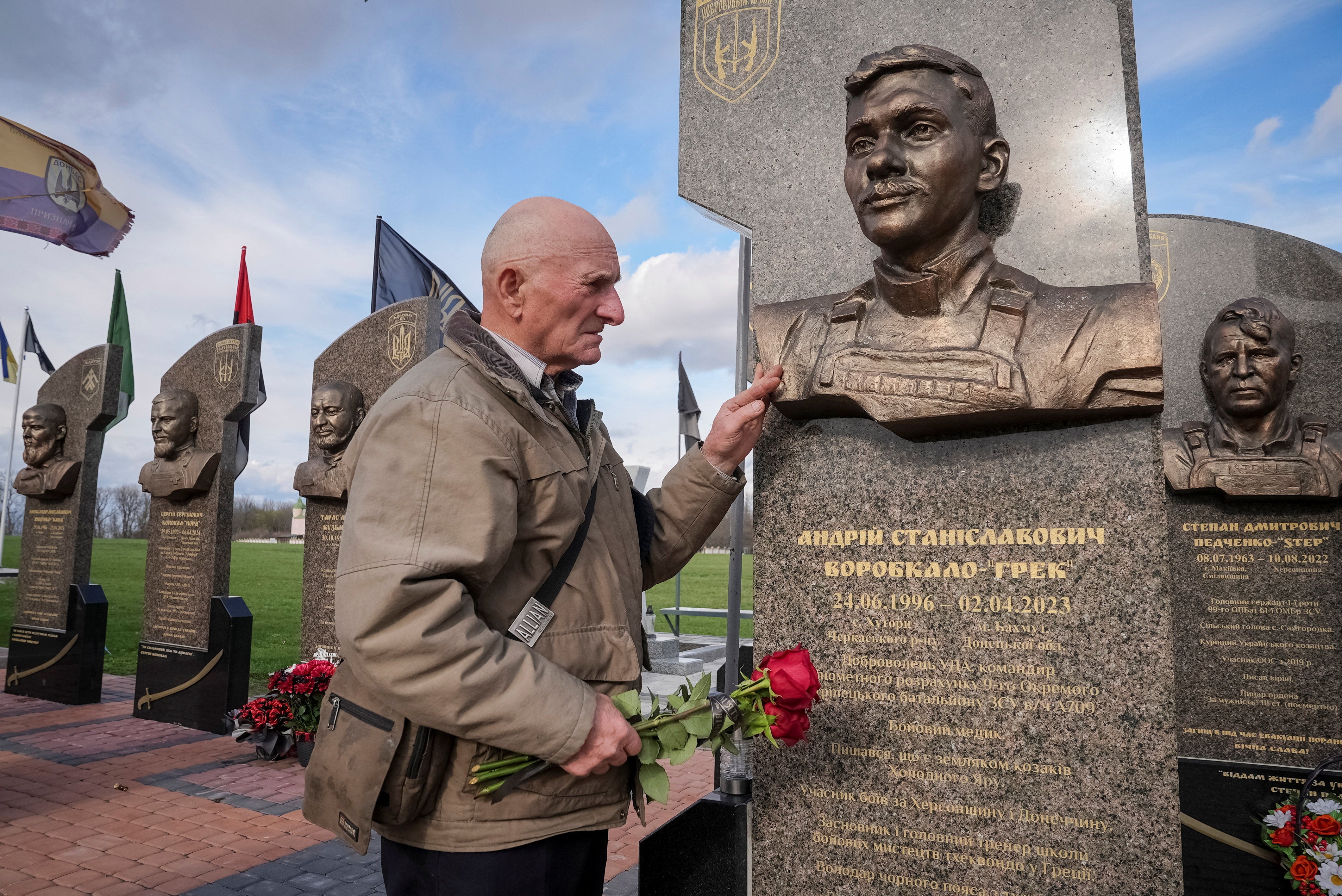
After their daughter moved to Europe, Mr Hurin and his wife raised Andrii from the age of four. When Russia launched its full-scale invasion of Ukraine in 2022, Andrii left his job in Greece to return home.
“He left everything behind and came to defend Ukraine,” Mr Hurin told Reuters, standing near his grandson’s memorial stone. “We think of Andrii all the time.”
About the Author