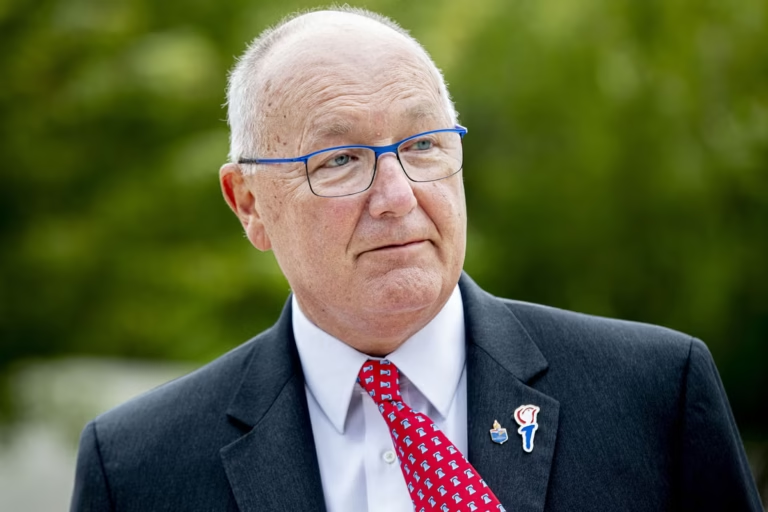
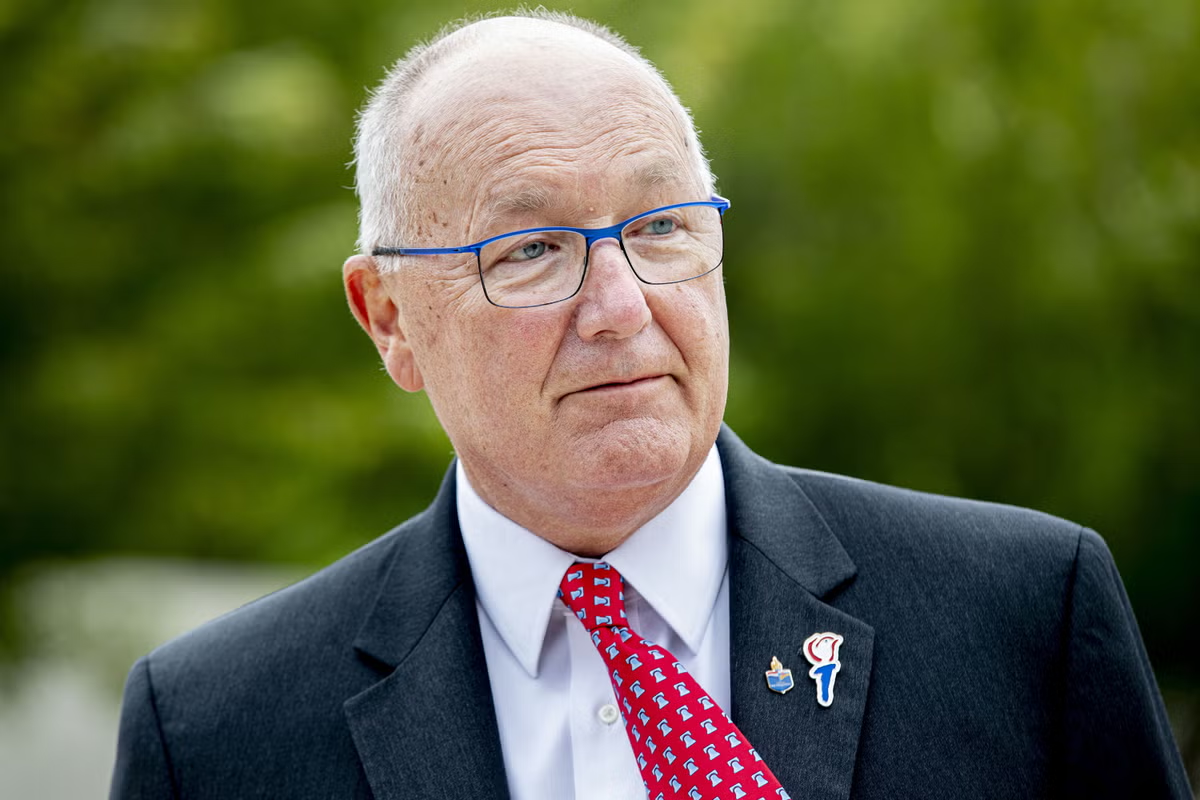
More than 170,000 Canadians have signed a petition demanding the removal of U.S. Ambassador Pete Hoekstra, after months of boycotting American goods and canceling trips in response to escalating trade disputes and talk of annexing the country.
Submitted on July 21 by a Calgary resident, the parliamentary petition urges the Canadian government to declare Hoekstra persona non grata under the Vienna Convention on Diplomatic Relations. It also calls for a parliamentary committee to investigate “U.S. diplomatic interference in Canadian domestic affairs.”
Under Canadian parliamentary rules, online petitions require only 500 validated signatures to earn a formal presentation on the floor of the House of Commons.
Because this filing far exceeded that threshold, Green Party Leader Elizabeth May is expected to bring the matter forward for parliamentary debate when lawmakers return this fall, The New York Times reported. Once presented, the federal government is required to lay a formal response on the table within 45 calendar days.
The petition follows a decline in relations between the two countries. A Pew survey released in June indicated that 35 percent of Canadians viewed the United States as a reliable partner, down from 82 percent in 2022. Canadian leisure travel to the U.S. has dropped by more than a quarter over the last year, while Canadian consumers have increasingly turned away from American products.
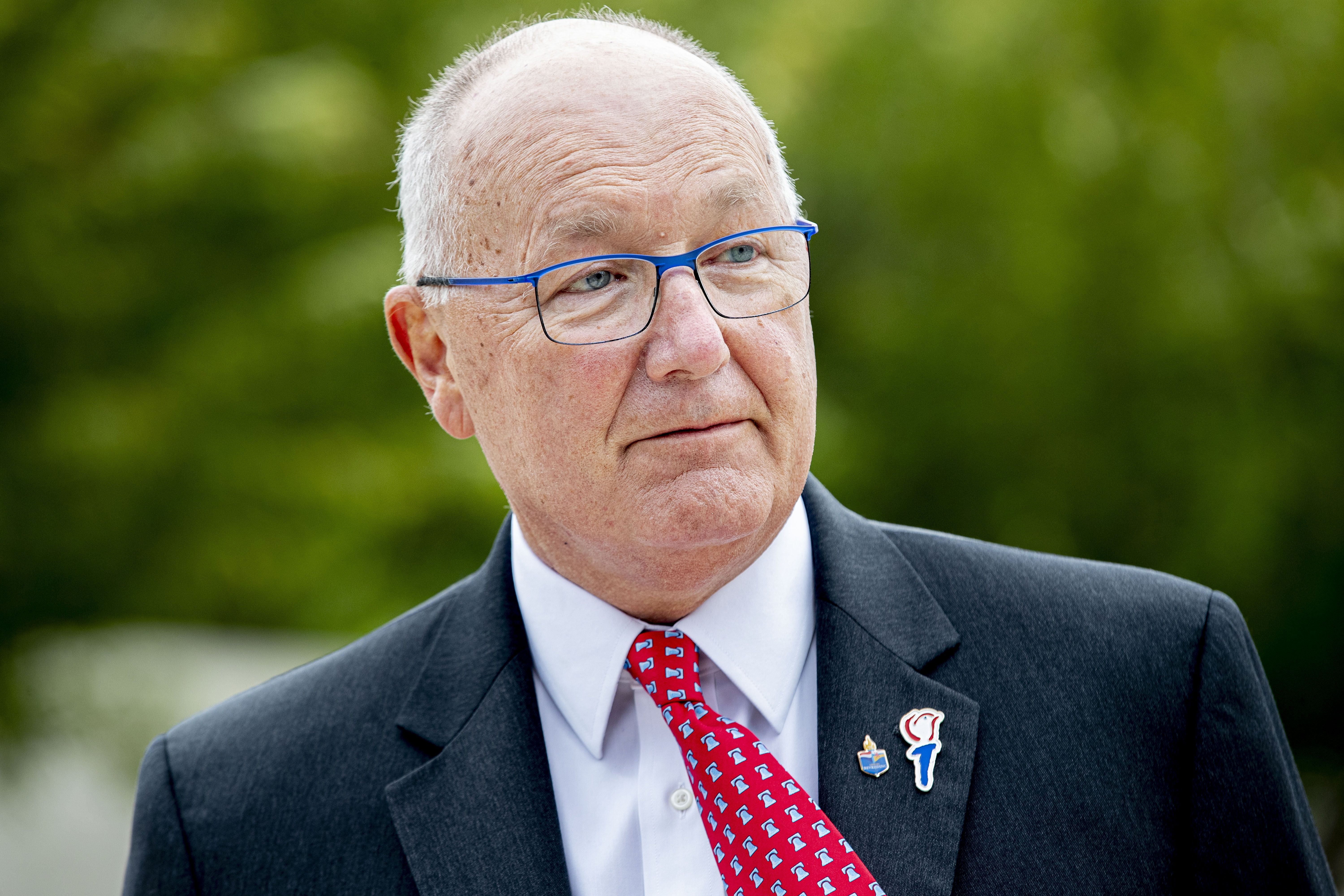
Tensions have been high between the U.S. and its neighbor since President Donald Trump returned to office. He blasted the country and its trade with the U.S., threatened new tariffs and even talked about Canada becoming the “51st state.”
“If people wanted to play the game right, it would be 100 percent certain that they’d become a state,” Trump said early in his term.
After the U.S. administration imposed fresh tariffs on Canadian goods, Prime Minister Mark Carney warned at the World Economic Forum in January that global alliances faced “a rupture, not a transition.”
Tensions escalated further over Canadian objections to U.S. rhetoric regarding Greenland, as well as an Ontario-funded advertising campaign against tariffs that quoted former President Ronald Reagan.
Military cooperation has also faced strain. Following discussions regarding Canada’s procurement of American F-35 fighter jets, Hoekstra warned that changes to Ottawa’s purchase plans could affect North American Aerospace Defense Command operations.
“NORAD would have to be altered,” Hoekstra told CBC News.
The petition accuses Hoekstra, a former Republican representative from Michigan and former ambassador to the Netherlands, of harming bilateral relations and normalizing rhetoric regarding the annexation of Canada as a “51st state.” The petition also highlights social media posts by the ambassador referencing these annexation remarks, as well as statements dismissing Canadian public concern as “emotional.”
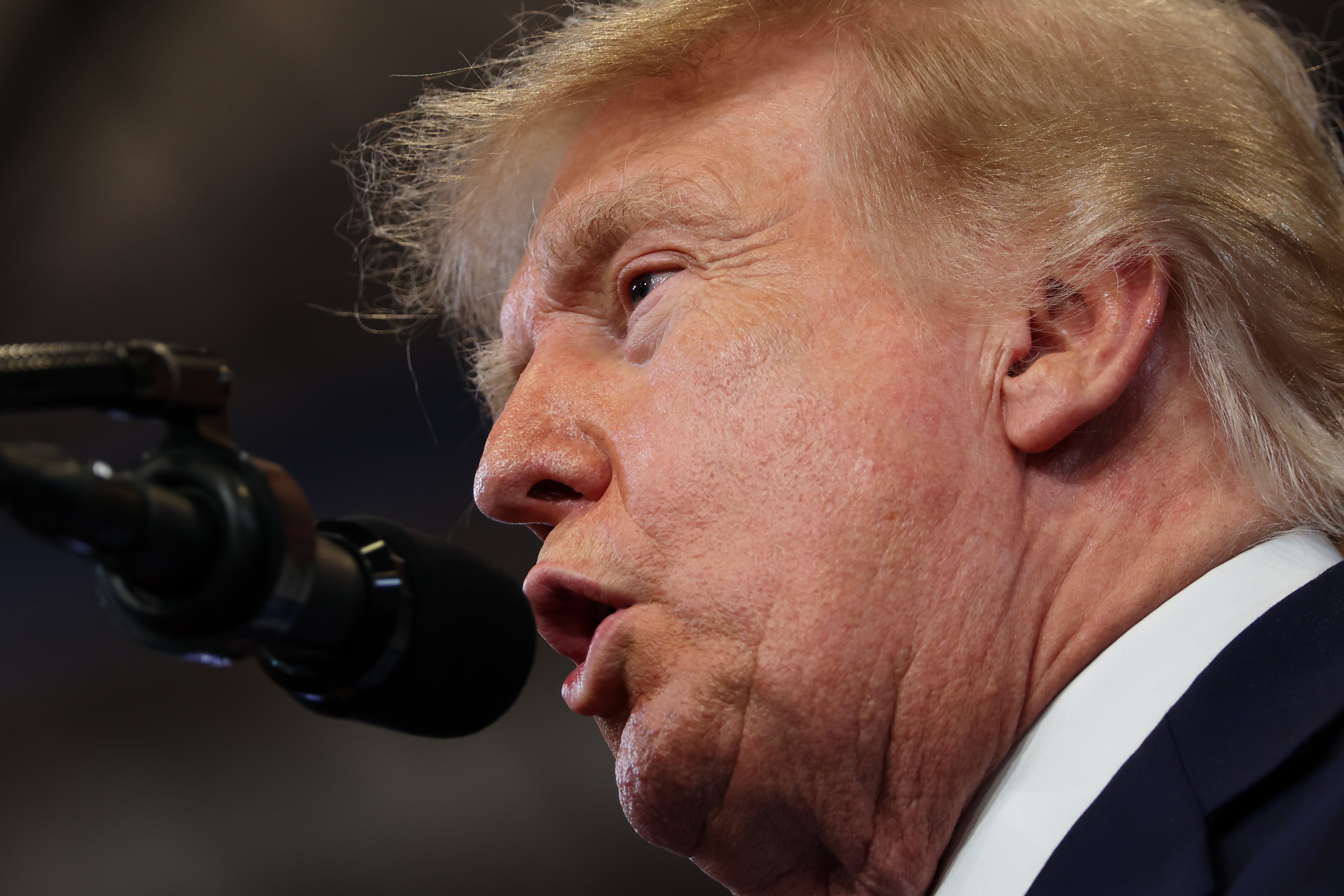
The filing also alleges that Hoekstra engaged in improper political involvement by meeting with Alberta separatists, raising questions regarding U.S. positions on Canadian unity. The petition further cites his acquaintance with the developer of a voter ID application used by Alberta separatist groups. Hoekstra has denied allegations of improper engagement with separatist entities.
Despite the controversy, representatives from the cross-border business community have defended Hoekstra’s work. Rick Tachuk, president of the American Chamber of Commerce in Canada, stated that Hoekstra remained accessible to business leaders and focused on trade relations, The New York Times reported.
“He at times can be blunt, but, in many respects, that is an advantage for us because he helps articulate the view of the president, and helps us understand what the challenges are,” Tachuk said.
No U.S. ambassador has ever been declared persona non grata by Canada, though foreign envoys have been expelled globally during historical diplomatic crises.
Canadian officials have not formally summoned Hoekstra, but other U.S. envoys in Europe — including those to France and Belgium — have recently been called in by host governments over comments about local affairs.
About the Author