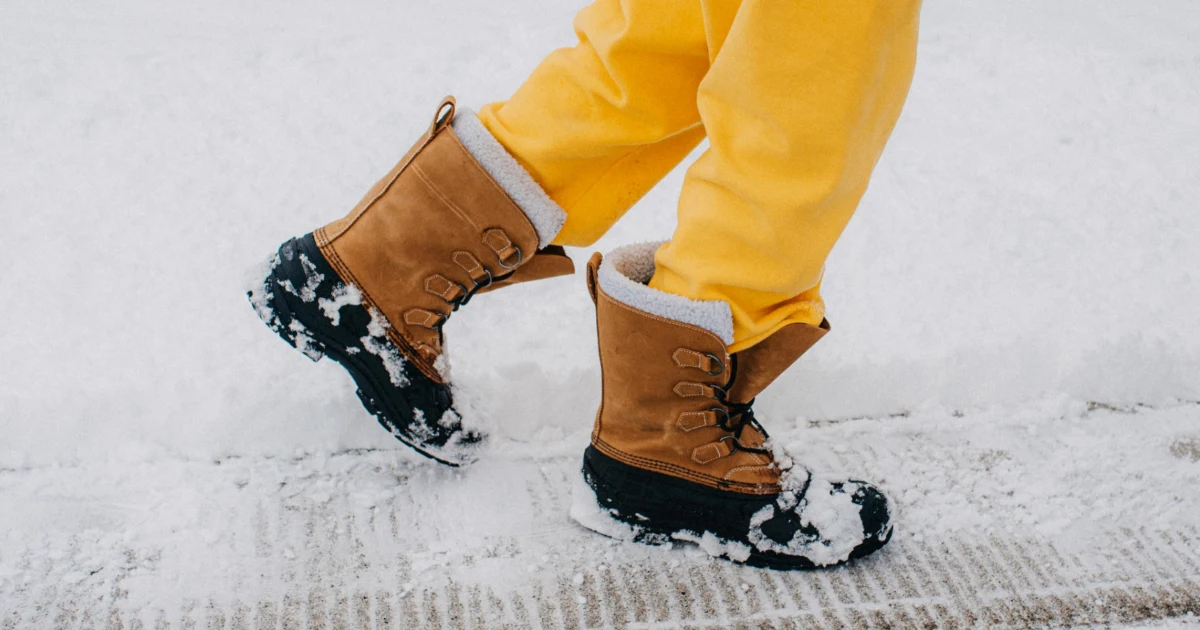
Depending on where you live, winter often brings snow. Those falling flakes can be beautiful (and even fun), but they also call for some preparation. A good ice scraper makes quick work of a frosted windshield, and hand warmers help you stay cozy on frigid mornings. Just as essential is a reliable pair of snow boots. The right boots keep your feet warm and dry, and if they’re supportive, they can also help you stay steady on slick, icy ground.
According to experts, arch support is one of the most important features to look for. “As a podiatrist, I cannot stress enough the importance of choosing the right snow boots for maintaining good foot health and comfort, especially when it comes to arch support,” says Dr. Miguel Cunha, a podiatrist and founder of Gotham Footcare in New York City.
To help you find a pair that keeps your feet warm and well-supported all season, I asked Cunha and other podiatrists what to look for when shopping, as well as which boots they recommend.
The best snow boots with arch support
Below are snow boots recommended by Cunha, along with some highly- rated options I included using the guidance he provided.
Best snow boots for women
“Though a pricier option, I recommend the Joan of Arctic Women’s Waterproof Boots for their exceptional arch support, durable design, and superior insulation,” says Cunha. The boot has a handcrafted vulcanized rubber outsole with herringbone tread for grip in icy conditions and a waterproof suede upper for style and comfort. These boots also have a washable felt inner for additional warmth. The footbed has a built-in arch and is lightly cushioned for comfort.

Seam-sealed construction and insulation keep your feet warm and dry in temperatures up to -40 degrees Fahrenheit, according to Kamik. Cunha also likes that they have a moisture-wicking lining to ensure your feet stay comfortable and a bungee lacing system for easy wear. A molded, removable insole provides support, and the rubber outsole has deep treads to keep you steady on slippery patches. Plus, a faux fur collar adds style.

The rubber bottoms on these boots keep moisture out, deep lugs in the sole add traction and a fleece lining gives them warmth, according to the brand. “I recommend The North Face Shellista Mid Boots as a supportive boot for winter conditions,” says Cunha, who notes that the boot offers good arch support and adjustable laces for a custom fit.

These boots have a waterproof leather upper, rubber bottom and extra quilted stitching around the ankle for added support. They also have insoles with built-in arch support and medium cushioning. These snow boots also have a faux fur collar for added warmth and reinforced toes and heels. They are rated to keep feet warm in weather down to -25 degrees Fahrenheit, according to the brand.

These boots have a neoprene upper that provides flexibility for movement and a rubber bottom to keep feet dry. There is a fleece lining for warmth and comfort and the boot is rated to keep feet comfortable even in -40-degree Fahrenheit temperatures, according to the brand. The insole is contoured for support and padded to keep your foot cushioned.
Best snow boots for men

These boots are made with Columbia’s proprietary technology, which makes these boots breathable while still keeping out cold and wetness, according to the brand. They have a waterproof leather upper and rubber sole with deep treads that provide traction wherever you’re walking. The lightweight midsole has a supportive arch and lots of cushioning for comfort.

“Snow boots that have somewhat of a slight heel less than three-quarters of an inch in relation to the front are actually better for you than shoes that are completely flat because it takes the stress off the Achilles which can help with the alignment of your posture, ankles, knees and spine,” says Cunha.
These boots have a slightly elevated heel, along with a waterproof suede upper and rubber shell to keep snow out and keep feet warm even when it gets down to -25 degrees Fahrenheit outside.

Offering protection in weather as low as -40 degrees Fahrenheit, these boots have a removable liner and a cushioned, contoured footbed. According to the brand, they also have a rustproof speed lacing system, making it easy to get in and out of them.

This Chelsea-style boot is built for everyday winter wear. A waterproof leather upper and breathable membrane keep feet dry, thick insulation adds warmth, and a heat-shield footbed and stability shank offer support. The 5-inch shaft is shorter than many snow boots, so it’s best suited to city sidewalks or areas without deep snow.
Why you need snow boots with arch support
“Proper arch support is critical for maintaining foot alignment and reducing strain, especially when wearing snow boots for prolonged periods of time,” says Cunha. He notes that snow boots are usually worn in cold, wet conditions on uneven terrain like snow and ice. “Without adequate support, the foot can flatten or overpronate, which may lead to discomfort, pain, or long-term foot issues like plantar fasciitis.”
Supportive boots can also keep you safer by making you steadier on your feet. “Choosing the right snow boots with good arch support helps distribute weight evenly across your feet, which improves stability,” says Cunha. That added stability is especially valuable on slick or uneven ground, where a misstep can easily lead to a fall.
How I picked the best snow boots with arch support
If you are looking for snow boots with arch support, the podiatrists I spoke with said these are the top things to pay attention to while shopping:
- Built-in arches: “Look for built-in arch support with anatomical contoured footbed to support the natural shape of your foot,” says Cunha. “This will help with foot alignment and reduce strain, especially during extended wear.”
- Support: A sole on the firmer side will provide more support than a flimsy one. “This will provide more shock absorption, and in turn will result in less foot pain such as arch pain and heel pain,” says Cunha. “Snow boots should also offer strong ankle support to help stabilize your feet and legs, to help prevent injuries on uneven terrain, snow, and ice.”
- Wide toe box: Look for snow boots with a wide toe box. This gives the forefoot more wiggle room and will place less aggravation on feet that suffer from bunions and hammertoes, says Cunha.
- Quality materials: At the end of the day, your snow boots need to keep your feet warm and dry and also provide traction to help you walk through ice and snow. “Snow boots made from rubber, latex, and PVC (Polyvinyl Chloride- Synthetic plastic) are effective at keeping water out of a boot because these materials are impermeable to molecules of water,” says Cunha, who particularly likes rubber because it’s the most durable. “Snow boots made with thicker rubber will last longer and retain their shape over time,” he says.
Frequently asked questions
When a shoe doesn’t have any arch support, your foot can collapse and affect your gait and posture, which can lead to a tremendous amount of stress placed not only on the foot but also on the rest of the body, says Cunha. Arch support helps to ensure a good distribution of pressure across the feet, which will reduce muscle, ligament, and joint strain, adds Dr. Gregory Alvarez, a podiatrist at the Ankle & Foot Centers of America. This is particularly helpful if you spend a good amount of time in snow boots while doing things like shoveling snow or going on a hike.
Snow boots without arch support can also make you more unstable as you walk, which can be dangerous when you are navigating icy or uneven terrain. This is because arch support keeps your feet aligned. Without it, you may find that you roll inwards or outwards, which can lead to you slipping or walking unevenly.
Arch support is a good idea for everyone, but some people need the extra support more than others. For example, those with flat feet have more force placed on the foot — arch support can help with this, says Dr. Mohammad Rimawi, a board-certified podiatrist in New York City. Conversely, those with super high arches can benefit from snow boots with arch support. “High arches can cause instability,” says Alvarez. “Providing support underneath can help stabilize you as you walk.”
Want more from NBC Selected? Sign up for our newsletter, The Selection, and shop smarter.
Meet our podiatrists
At NBC Selected, we work with experts with specialized knowledge and authority based on relevant training and/or experience. We also ensure all expert advice and recommendations are made independently and without undisclosed financial conflicts of interest.
- Dr. Miguel Cunha is a podiatrist and founder of Gotham Footcare in New York City.
- Dr. Gregory Alvarez is a podiatrist at the Ankle & Foot Centers of America.
- Dr. Mohammad Rimawi is a board-certified podiatrist in New York City.
Why trust NBC Selected?
I am a commerce editor at NBC Selected and a journalist who regularly covers wellness, beauty, home and lifestyle. I have written about the best steel-toe boots, the jazz shoe trend and more. For this story, I interviewed three podiatrists about the most supportive snow boots.
Catch up on NBC Selected’s in-depth coverage of tech and tools, wellness and more, and follow us on Facebook, Instagram, X and TikTok to stay up to date.
About the Author