Want to bookmark your favourite articles and stories to read or reference later? Start your Independent Membership today.
Already a member?
Log in
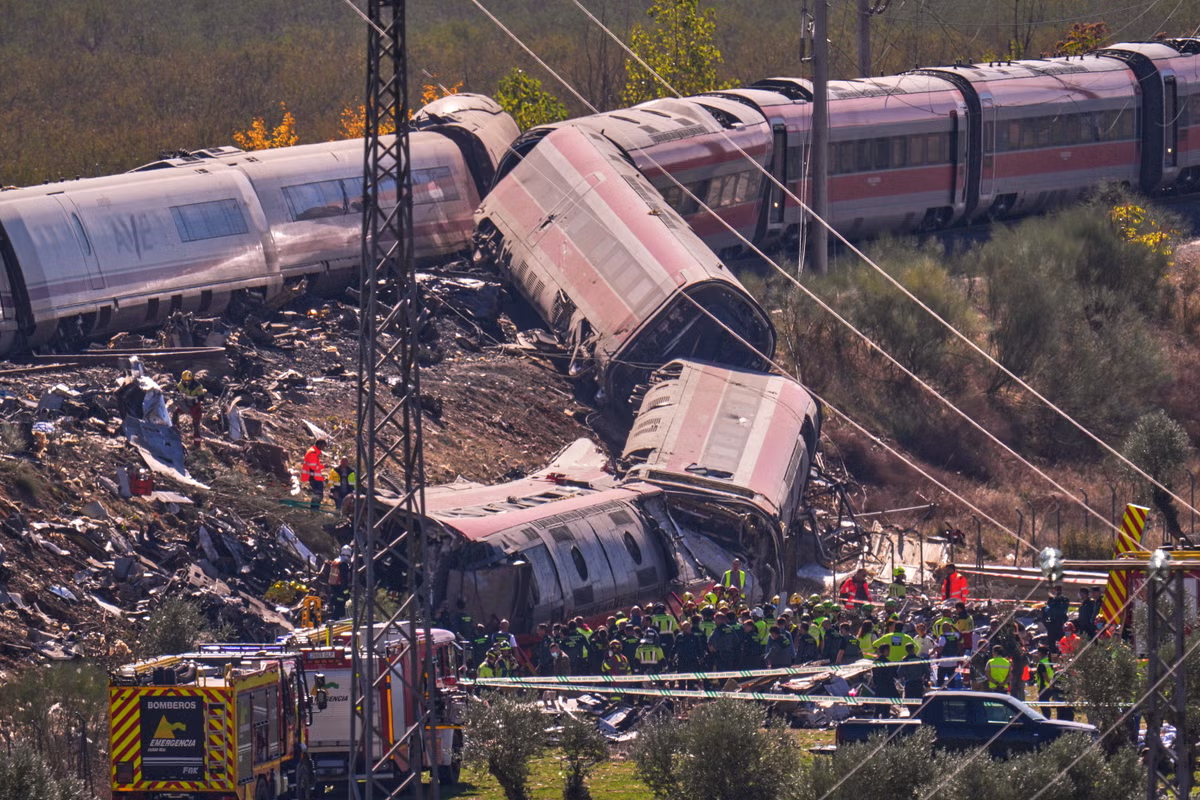
At least 68 people have been killed and 77 injured after two high-speed trains collided in Spain, the country’s second major rail crash this year.
There were 544 people on board the two services between Madrid and Seville when they crashed at around 9am Wednesday morning. The incident is one of Spain’s deadliest rail disasters, and the worst since 78 people were killed when a high-speed train derailed near Santiago de Compostela in 2013.
Passengers were travelling between Madrid and the southern Andalusia region when an express train operated by Iryo was struck by a train operated by Renfe at high speed in Toledo. The Iryo train had been stationary due to a signal fault, a person briefed on the disaster said.
Footage showed a derailed train with several carriages remaining on an elevated section of track while twisted metal, broken panels and wreckage could be seen strewn across an embankment beneath the line.
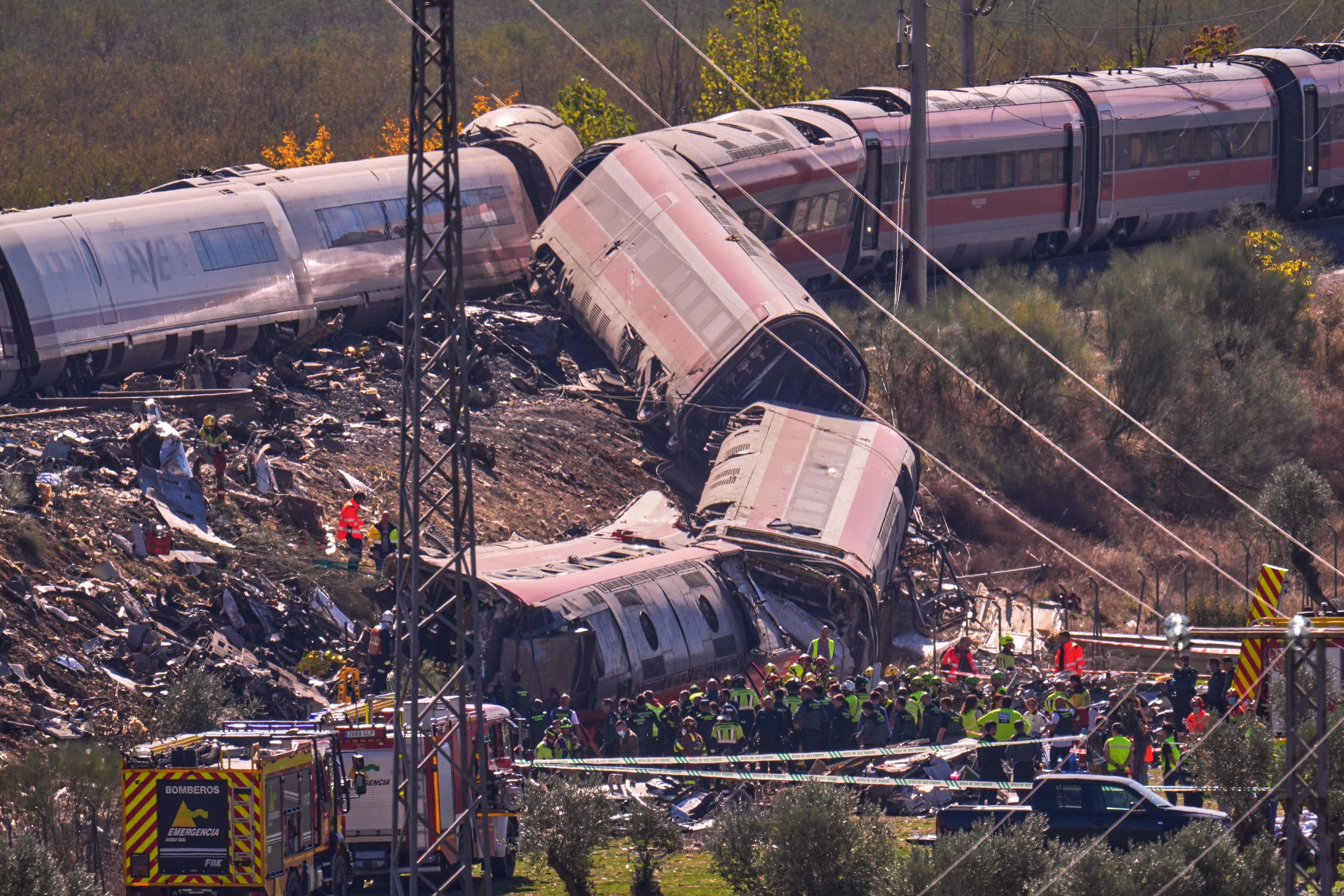
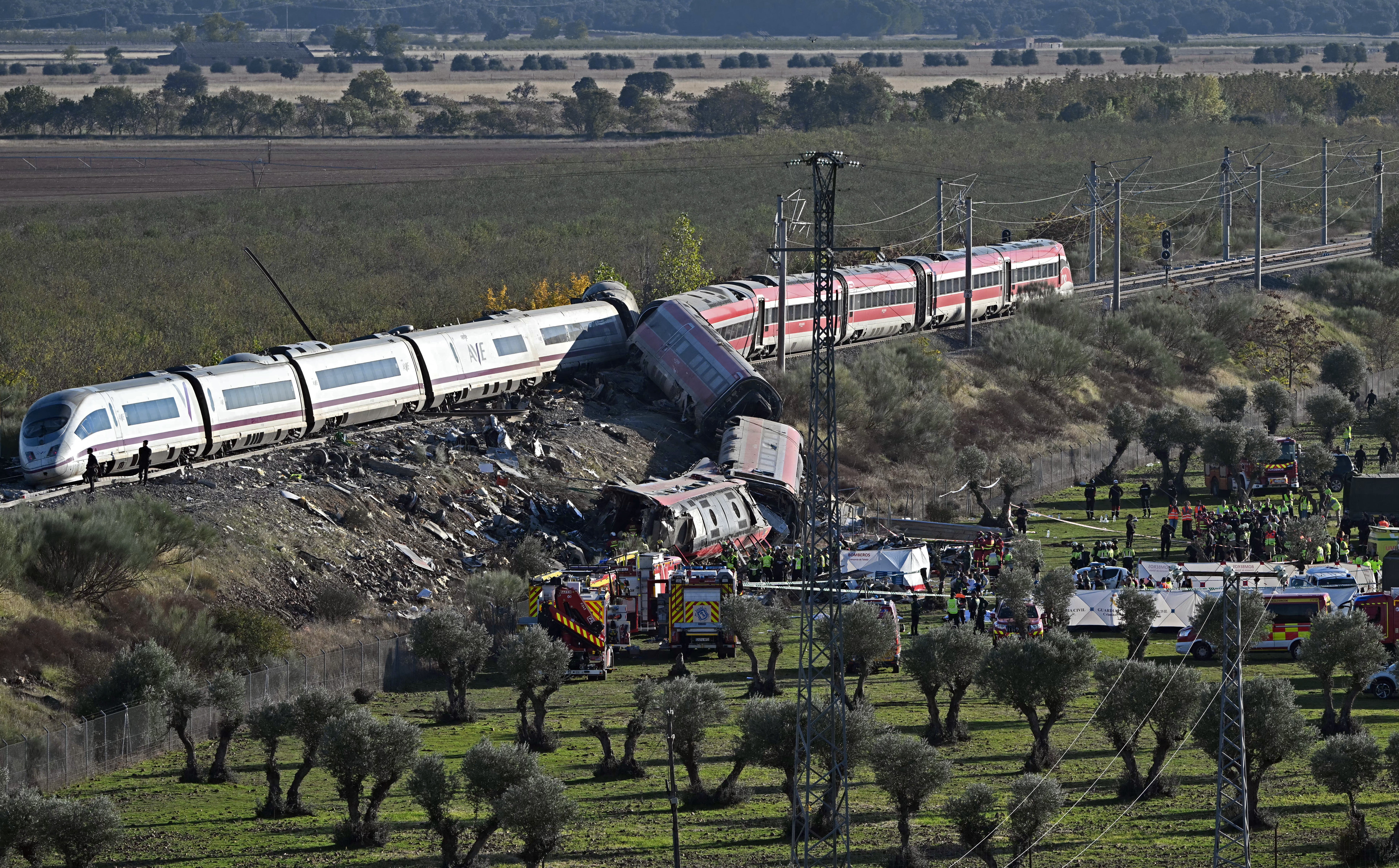
Survivor Jesús Jerónimo, 54, told El Pais that people were thrown from the train by the “brutal” impact of the collision. He had been travelling in carriage two of the high-speed train en route to Seville, where he often goes for work meetings as a medical consultant.
“I was working on my laptop when I felt a very strong acceleration and I crashed into the seat in front of me,” he said.
“People were thrown from the train. We thought we had derailed. Then, little by little, we got out and saw that our train was tilted. There were many injured people and a lot of people shaken up. I saw papers on the floor and a child who was fine.
“Right now, we were helping the emergency services, holding IV bags with our hands… The firefighters, however, are working on the most damaged section of the train.”
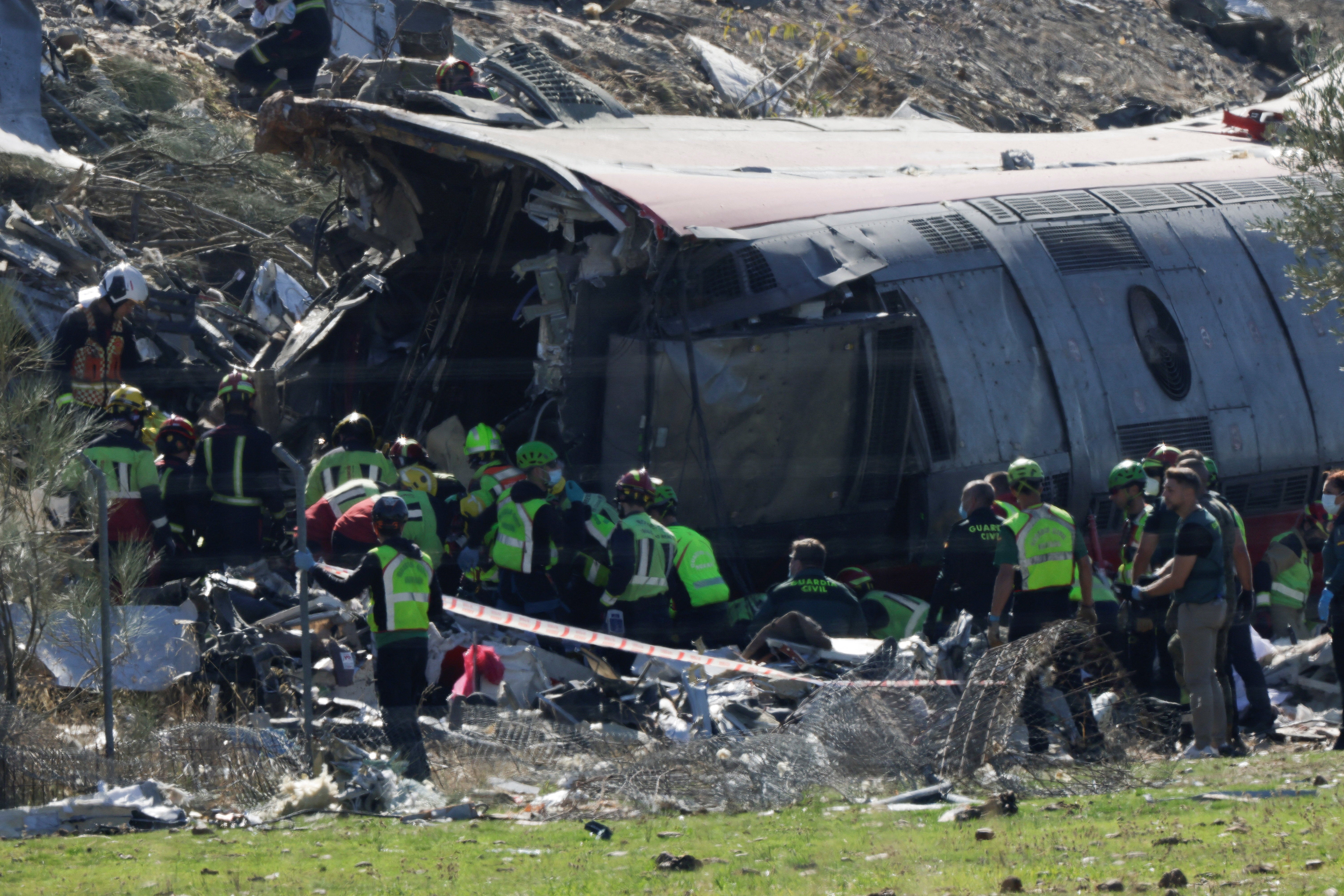
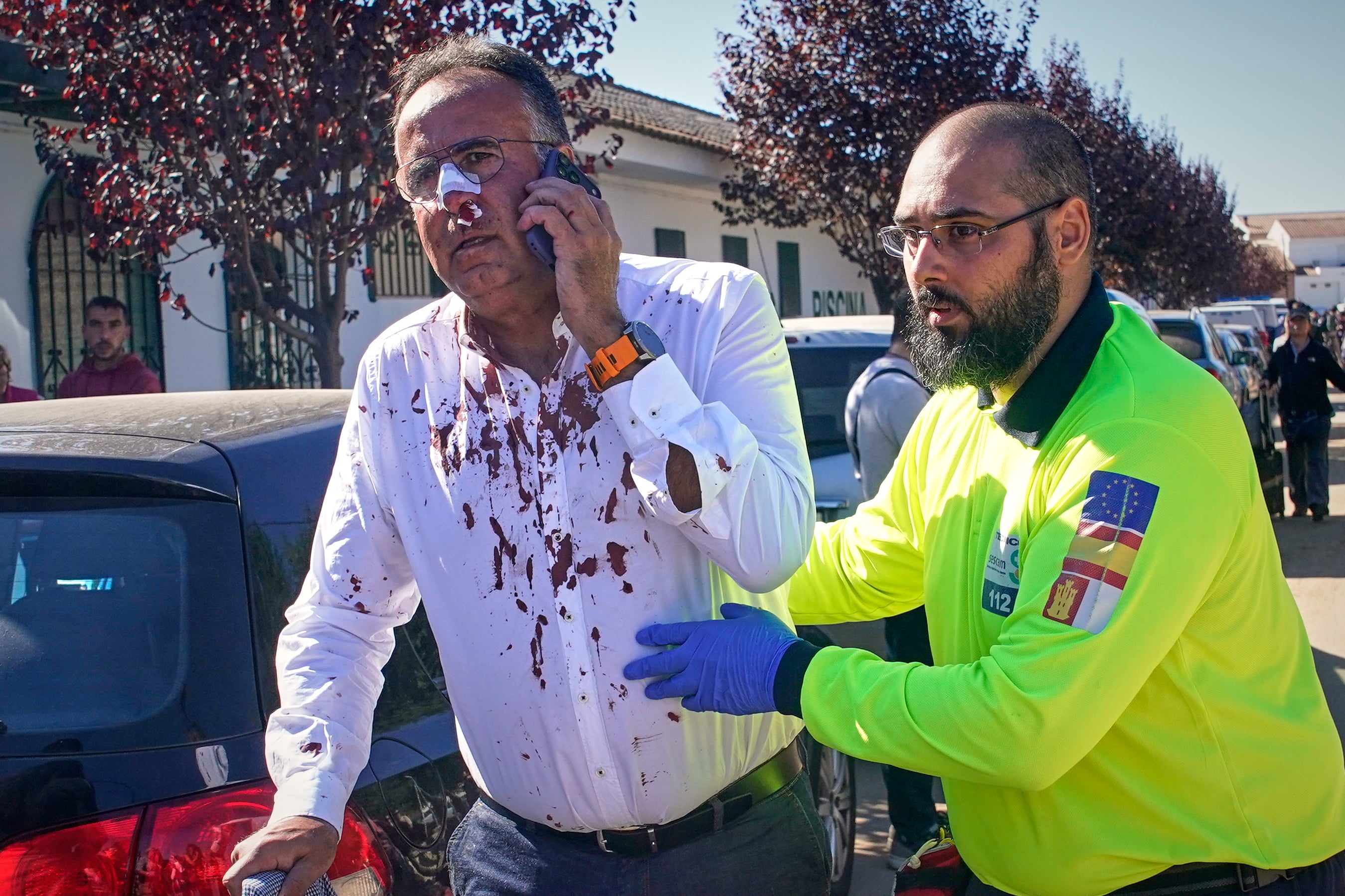
Eduarda, a passenger on the Iryo train, told Cadena SER radio she had initially thought it was making an emergency stop as she was thrown forward by the strong impact. She only realised the seriousness of the accident after seeing injured people and being told to evacuate.
After climbing down an embankment to safety, she saw what she described as a catastrophic scene, with part of the train hanging down the slope and a fire in one carriage.
Emergency responders, including a helicopter, police and ambulances, arrived within about 20 minutes. “I saw dead people,” she said.
Miguel, a passenger travelling with several colleagues in the rear car of one of the trains, said he heard a “massive roar” from the impact.
“We heard a massive roar, a truly enormous thud that went on for 10 seconds, as if the train were about to derail. Through the right-hand window, we could see a wrecked train – I imagine it must have been the other one,” he told Reuters.
Andalusian politician Juanma Moreno declared three days of official mourning in Andalusia, from 2pm on Wednesday until 2pm on Saturday.
“We are devastated,” he said. “All of Andalusia stands with the victims of this new railway accident.”
Jesús Pérez Martín, mayor of the nearby town of Los Yébenes, told RTVE he’d heard reports of “mutilations and very serious injuries”. Meanwhile, health minister Mónica García amplified calls from Madrid authorities urging people to donate blood amid the tragedy.
Renfe said it had activated a special line for families of victims and expressed its condolences, while Iryo activated emergency protocols.
Transport minister Oscar Puente said the fatal train crash occurred after a Renfe high-speed train was authorised to continue its journey despite an active red signal because of a stationary train on the tracks ahead, breaking protocol.
Politicians cleared their agenda for the day following the serious crash, with prime minister Pedro Sanchez offering support to all the victims and their families.
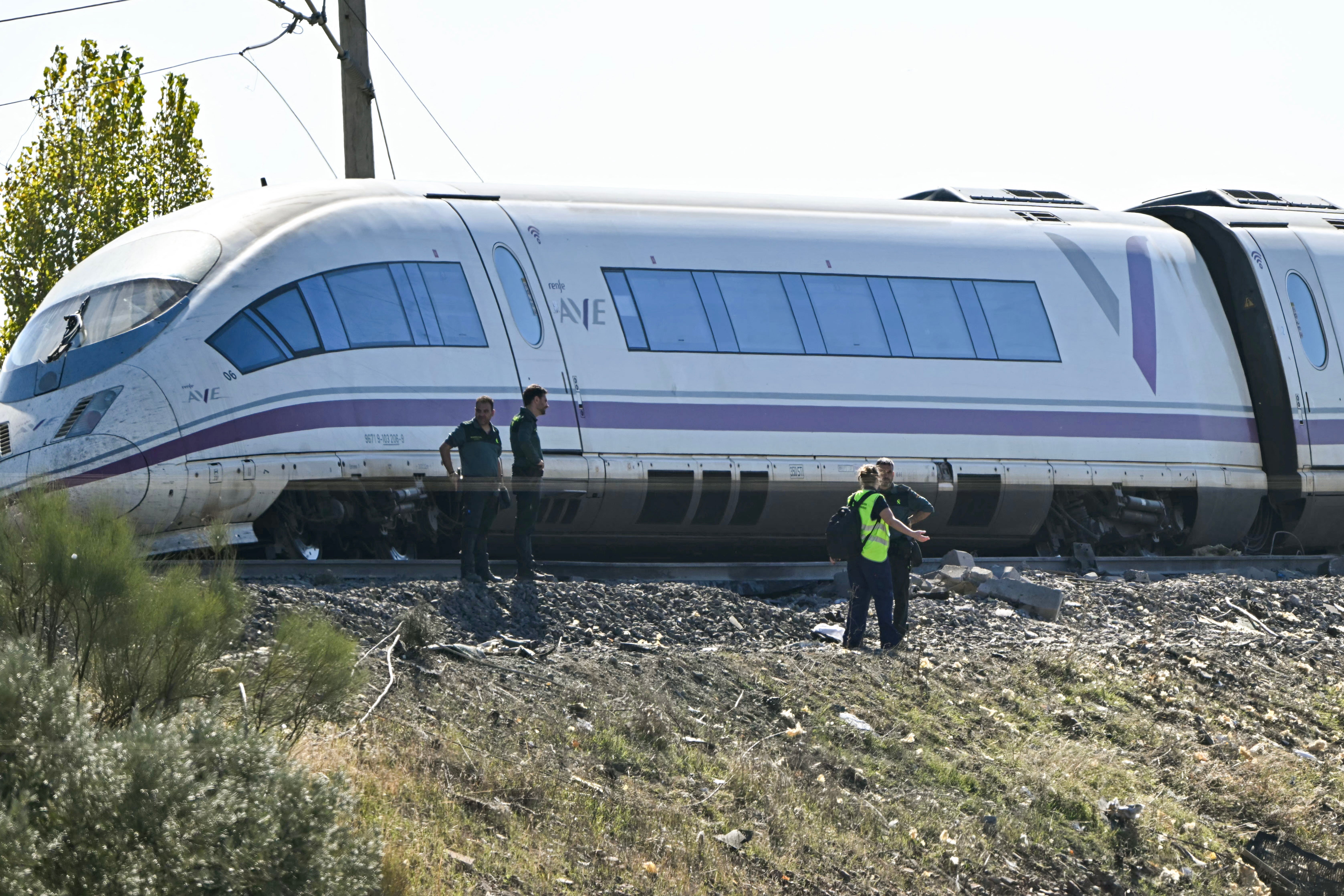
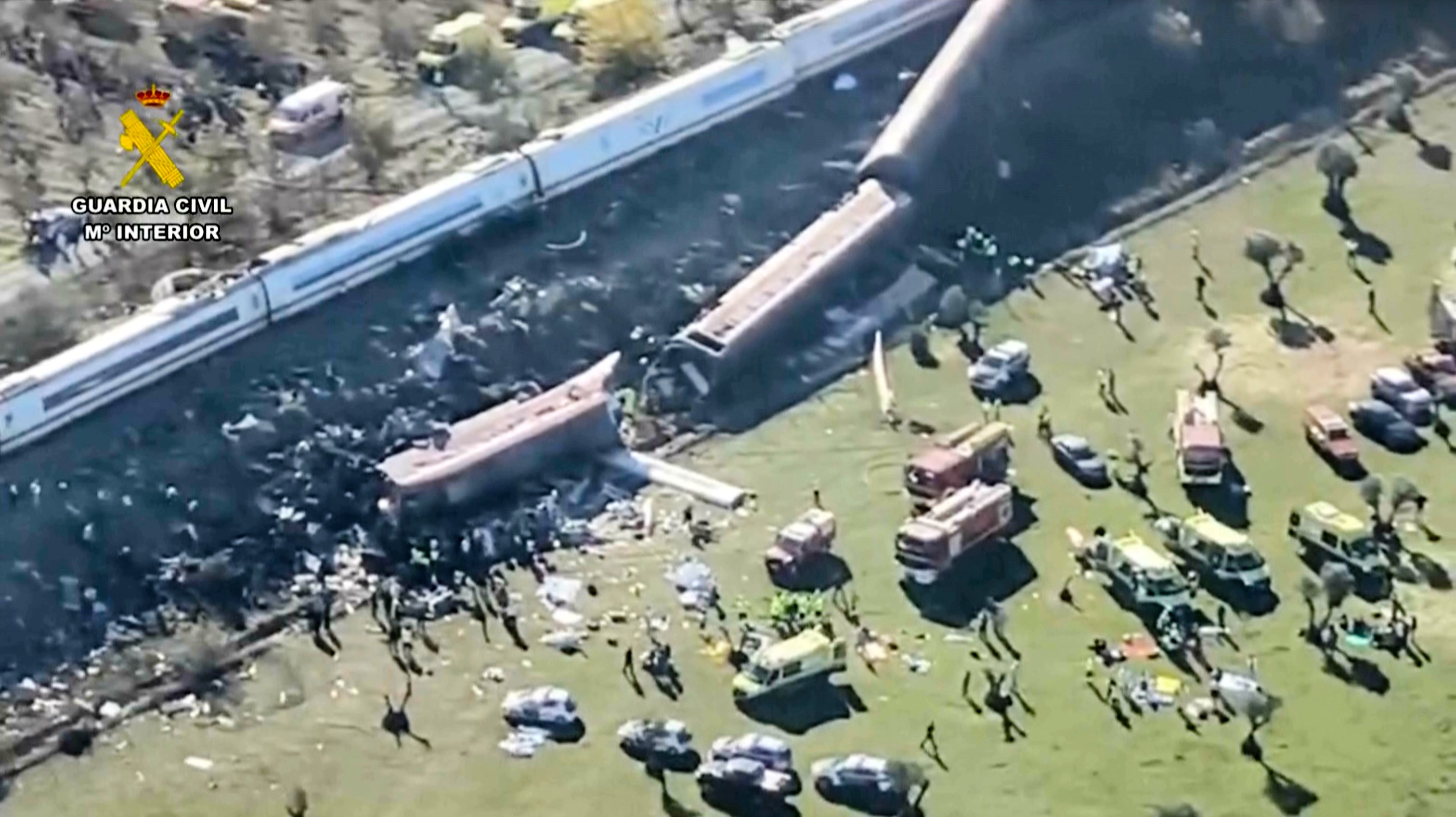
“Shocked by the serious train accident in Toledo,” he wrote on X. “I remain in constant contact with the Minister of Transport, and with the president of Castilla-La Mancha.
“Emergency services are working on the ground to assist those affected and ensure their safety, in coordination with all the involved administrations. My affection, solidarity, and support to all the victims and their families.”
It’s the second major train collision this year on Spanish railway lines, after 46 people were killed and more than 120 injured after a high-speed train derailed and collided with an oncoming one on 18 January near Adamuz, in the province of Cordoba.
The accident is still under investigation, but a preliminary report by Spain’s Civil Guard in February pointed to defects in the track, rail, or weld between two sections of track as the main hypothesis for the accident. That crash triggered a debate about the level of investment in railway maintenance in recent years.
Following the latest crash, Jose Trigueros, president of the Association of Roads and Civil Engineers in Spain, renewed these criticisms of Mr Puente.
“It’s unacceptable that our infrastructure is being managed by incompetent people who should be focusing on their Ministry instead of tweeting. The state of our infrastructure is a disgrace. I hold the Minister responsible,” he told Europa Press.
Mr Puente has refused to say whether he’ll resign after a second fatal train collision this year. He said that the railway system is “reliable and safe” but had “some limits”, like every system of transport.
About the Author