Want to bookmark your favourite articles and stories to read or reference later? Start your Independent Membership today.
Already a member?
Log in
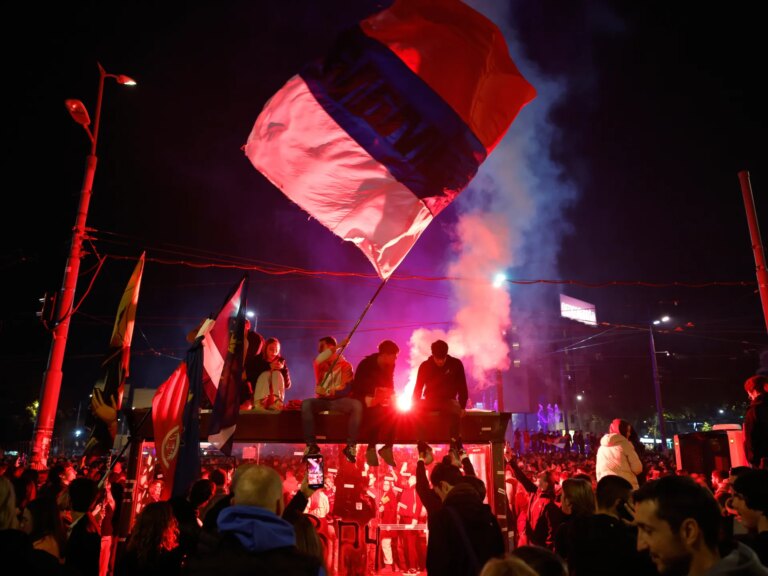
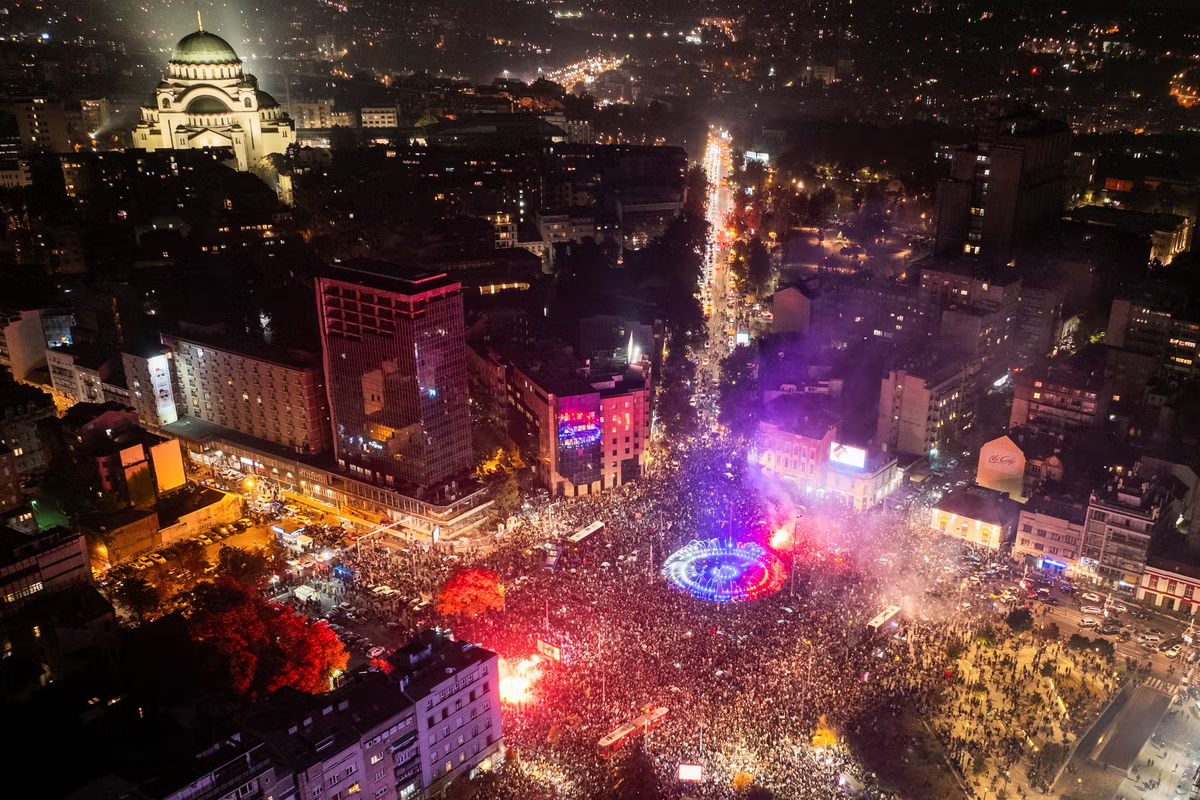
Fireworks, cheers, dancing and tears of joy filled the streets of Belgrade as long-standing Serbian leader Aleksandar Vucic conceded defeat to a student-led movement in the country’s elections.
Tens of thousands of people flooded cities and towns across Serbia after Vucic’s loss, capping two years of peaceful anti-government protests calling for the populist ruler to step down.
With almost 99 per cent of votes counted, the students’ candidates had secured 52.7 per cent of the vote, according to the State Election Commission, versus 39.2 per cent for Vucic’s Serbia Progressive Party (SNS)-led alliance.
Serbians enveloped each other in hugs, waved flags, set off flares and sang protest songs as the reality of a new dawn in Serbian politics sank in.
One student told The Independent: “We are so grateful because this journey took two years and now we are finally a free country.”
There was a police presence on the streets, but the tone among the crowd was sheer jubilation, as Serbians hugged and high-fived officers.
The historic election followed youth-backed protests sparked by the collapse of a concrete rail station canopy in Novi Sad in 2024, killing 16 young people.
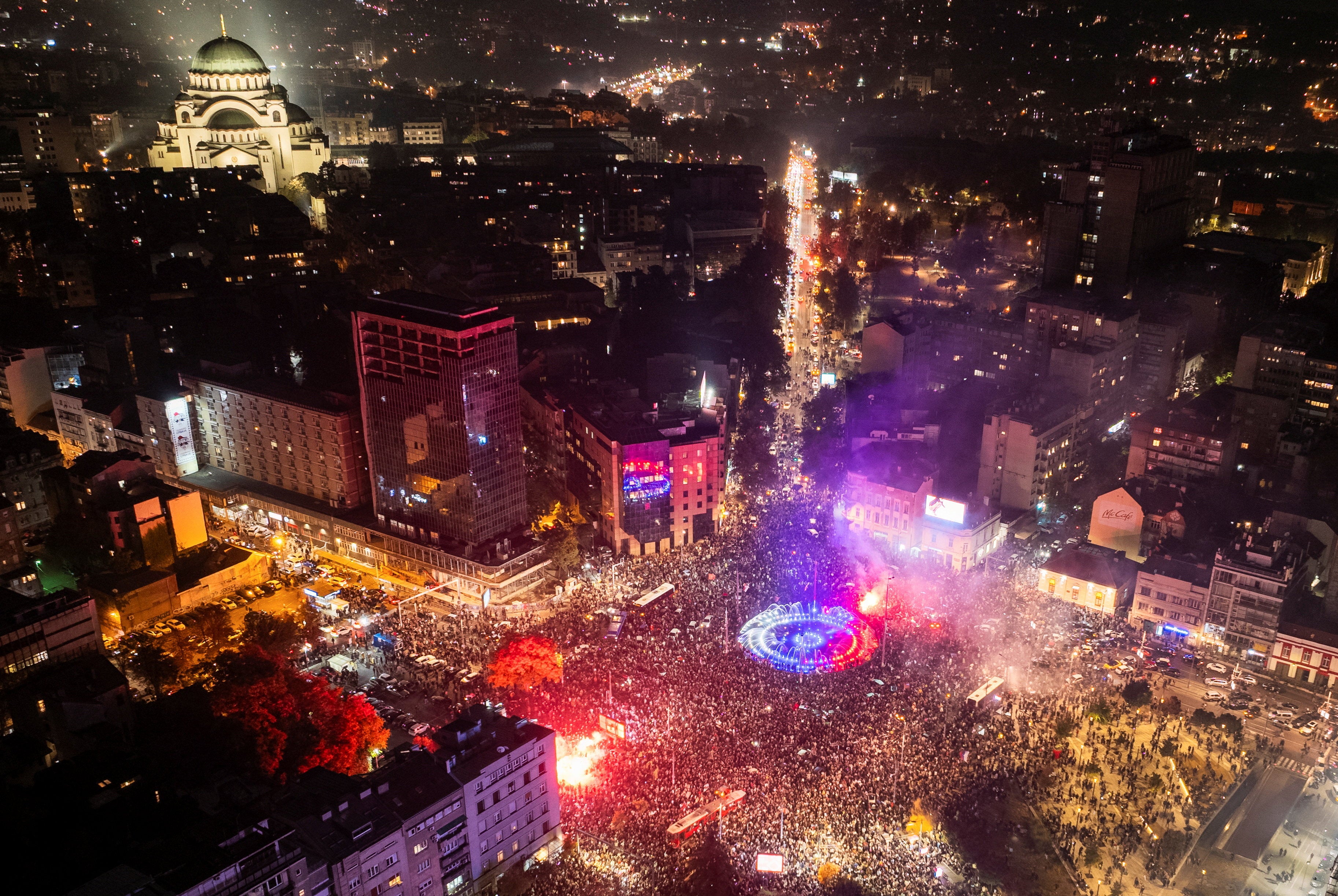
Protestors across the country demonstrated against government negligence and corruption, and the Student List, a grassroots movement without any obvious leaders, emerged following the tragedy.
At around 9.30pm local time, Vucic pointed to preliminary results that indicated Serbians had voted overwhelmingly for the Student List, with the party looking set for a majority in the 250-seat parliament.
“It is clear that we have lost these elections, the Student List has won, they will have between 135 and 140 seats and we will have 105, no one else has entered parliament,” he said.
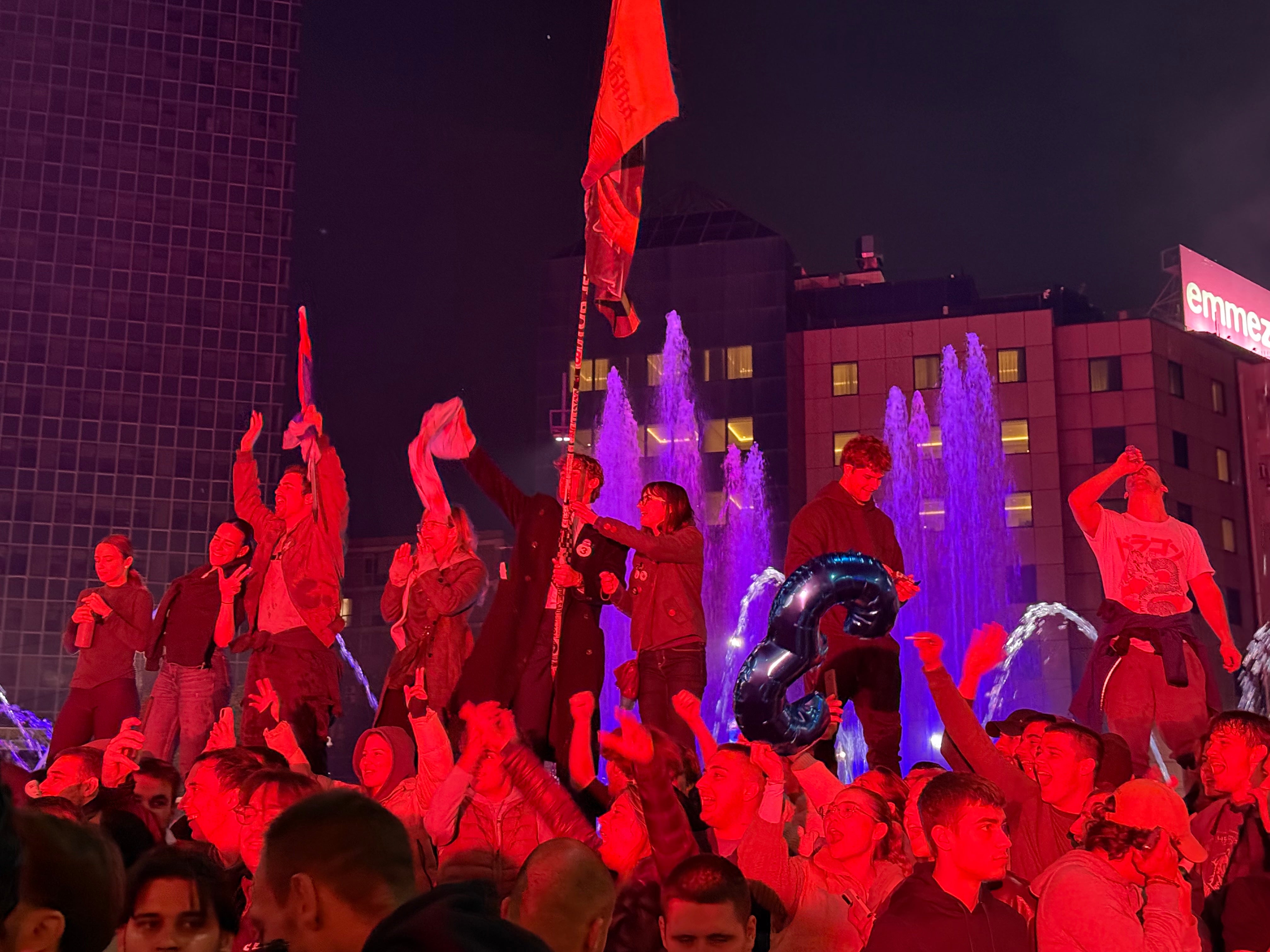
As leader of the Serbian Progressive Party (SNS), Vucic’s rule was seen to have become increasingly authoritarian.
He served as president for two terms, but since he is not able to seek a third term, Vucic stepped down last month and was seeking the post of prime minister.
“Dear Serbia, tonight the voice of the people is being heard,” said Radomir Sajcic, a professor at Belgrade University speaking on behalf of the students at their headquarters. “Tonight we celebrate victory, tomorrow we build the future.”
Sunday saw long lines at polling stations across Belgrade and other Serbian towns and cities. Voter turnout was recorded as close to 70 per cent, which is the highest participation seen since the breakup of Yugoslavia in 1992.
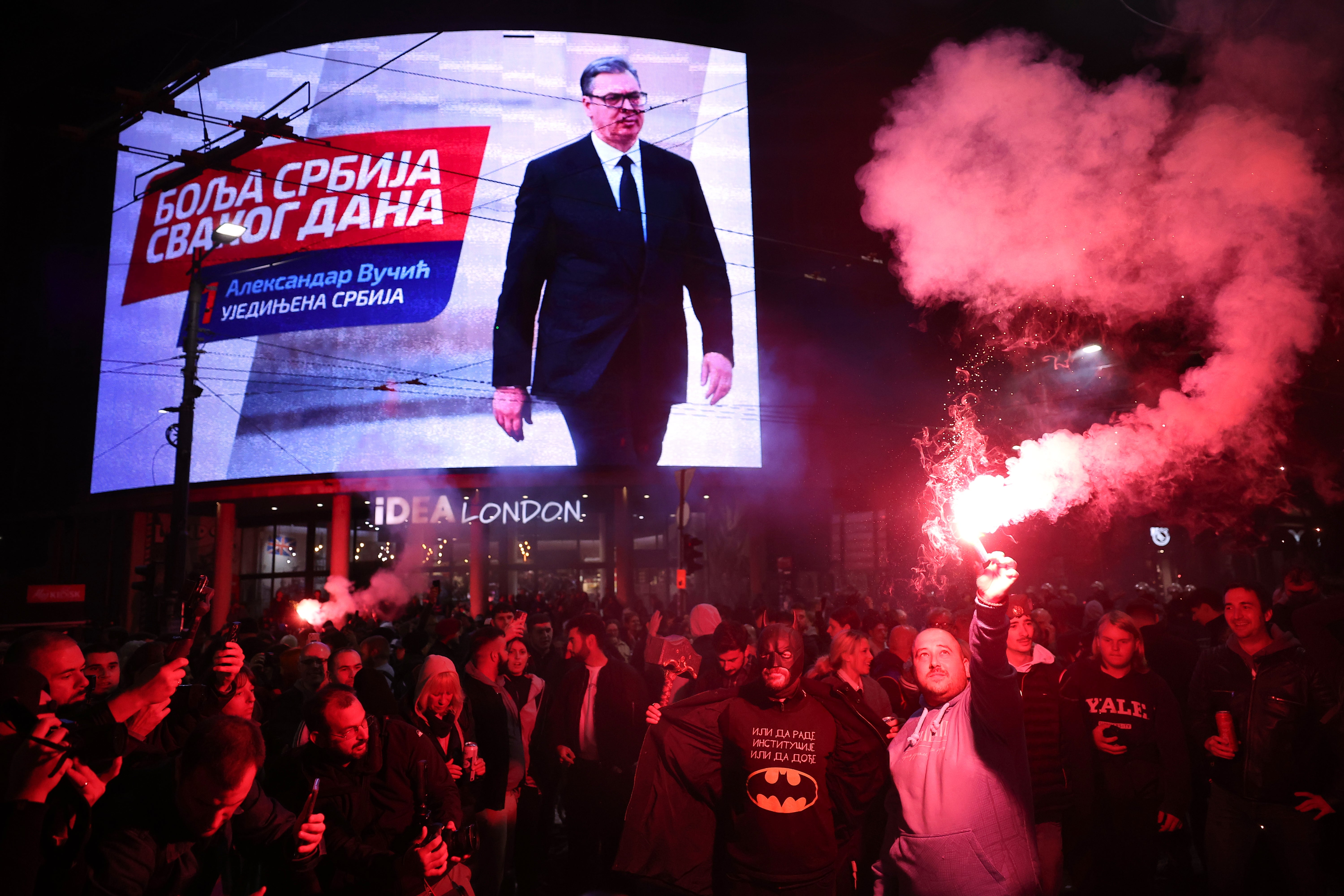
However, the movement will soon face questions over how they plan to lead the country,
While the students’ candidates include university professors, actors and farmers, the movement is without a leader – a strategy employed during protests to avoid any smear attempts by the government.
It is unclear who will become prime minister and assume other key positions in order to enact the students’ domestic agenda, which aims to root out graft and improve schooling, and manage the country’s place on the international stage.
“This corruption that has entered into all pores of our lives… of course it will change; we are hoping we will slowly go in that direction of a normal community,” said 60-year-old insurance worker Svetlana Karagkozidou.
The Serbian election comes six months after Viktor Orban, also known for his authoritarian policies, was defeated in neighbouring Hungary, while protests continue in Albania calling for the resignation of prime minister Edi Rama.
About the Author