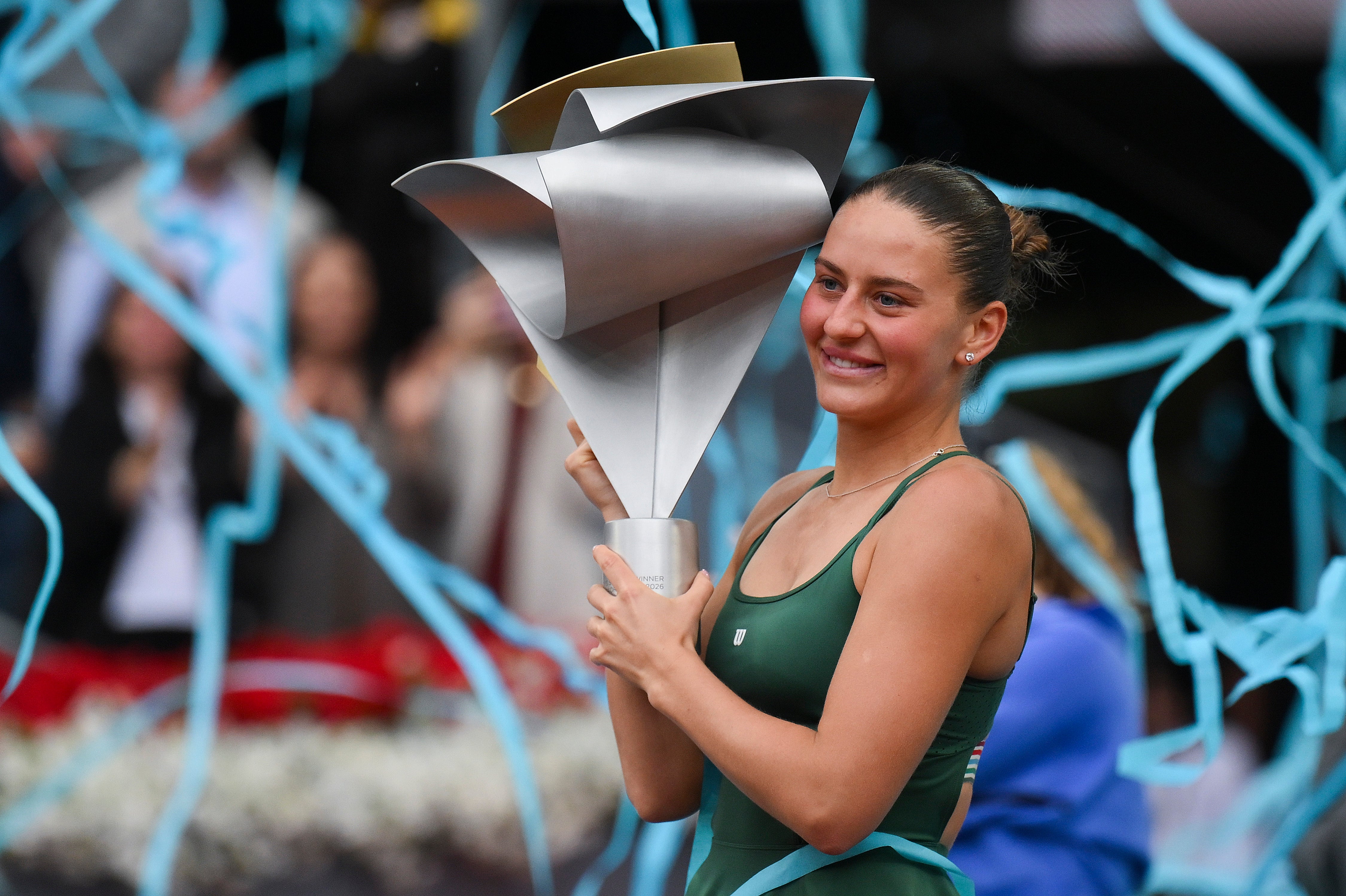
Ukrainian tennis stars Elina Svitolina and Marta Kostyuk are not only making headlines with their powerful statements against the ongoing war but are also dominating the courts, securing back-to-back WTA 1000 titles for their nation.
Their recent victories transcend mere sporting achievement, serving as poignant tributes to their war-torn homeland.
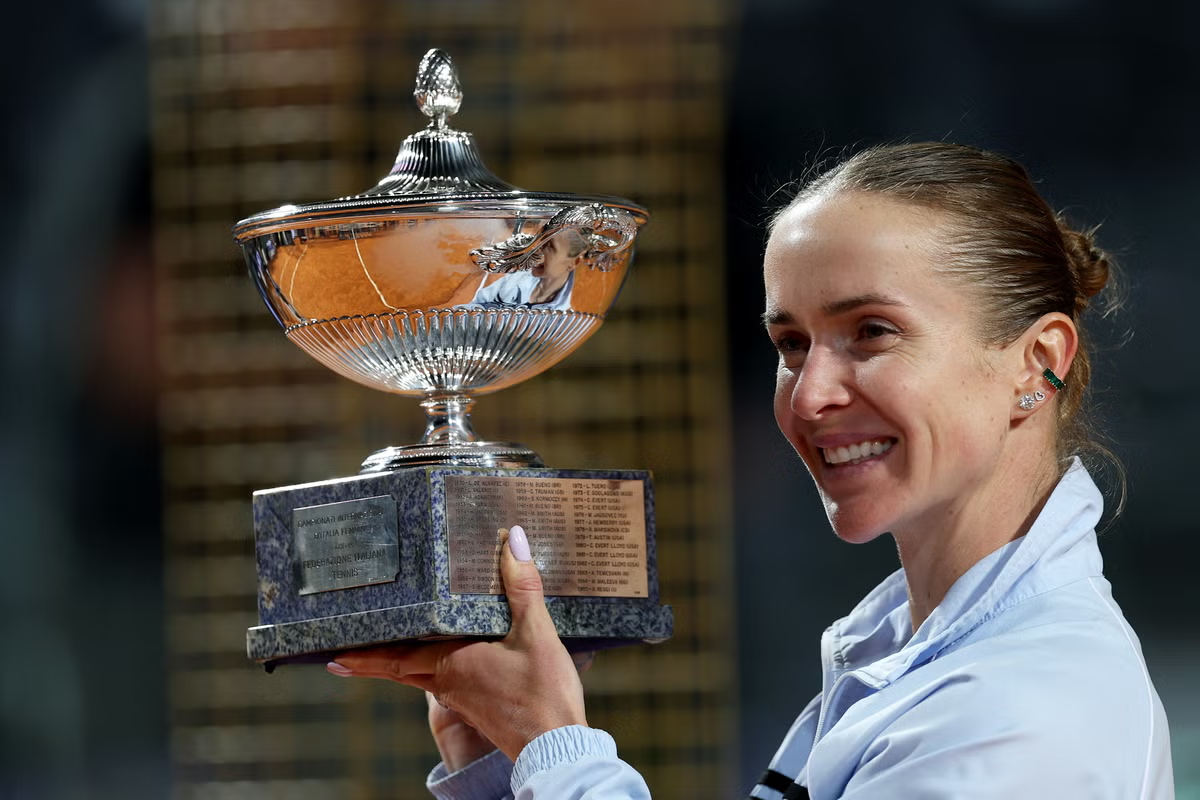
Svitolina’s triumph at the Italian Open over the weekend marked a significant moment, following Kostyuk’s Madrid Open victory just two weeks earlier.
Svitolina dedicated her win to “all the people back in Ukraine who’ve been supporting me, been watching at nights being in the bomb shelters.” Her emotional address during the trophy presentation came just three days after one of the deadliest attacks on Kyiv in the four-year conflict with Russia, which saw 24 people, including three teenagers, killed in a missile strike on an apartment building.
“It’s been really heavy for the past couple of weeks for Ukraine… I feel all the love. Thank you. Slava Ukraini!” Svitolina declared, invoking the powerful Ukrainian watchword, “Glory to Ukraine.”
Similarly, in Madrid, Kostyuk concluded her victory speech with a heartfelt “glory to God and glory to Ukraine.”
Svitolina’s third Italian Open title, eight years after her last, caps a remarkable comeback. After a maternity break in 2022 saw her ranking plummet to No. 236, the 31-year-old has surged back into the top 10, now at No 7, and is poised as a Grand Slam contender for the upcoming French Open.
In the season-long race rankings, she stands at an impressive No 3, behind only Elena Rybakina and Aryna Sabalenka. Her path to the Rome title was particularly challenging, as she defeated three reigning Grand Slam champions consecutively: Rybakina (Australian Open), Iga Swiatek (Wimbledon), and Coco Gauff (French Open).
“This is one of the toughest draws that I had in a tournament,” Svitolina commented. “I’m very proud of the way that I’ve been handling myself and handling the nerves and being consistent.”
Kostyuk’s Madrid victory, the biggest of her career, followed another clay-court title in Rouen, France. Despite withdrawing from the Italian Open due to hip and ankle issues, she heads to Roland Garros on an 11-match winning streak.
Svitolina praised her compatriot, stating, “She always has been a very strong player. Now she’s more consistent.”
Svitolina and the world No 15 Kostyuk lead a contingent of seven Ukrainian players within the top 100 rankings.
Svitolina believes their success offers vital inspiration: “Taking in consideration the war and everything, what’s happening in our country, I think it’s great inspiration for (the) younger generation. It shows that it is possible. Especially for girls back in Ukraine, it’s a great example.”
The ongoing protocol for Ukrainian players, refusing to shake hands with Russian and Belarusian opponents, remains firmly in place. This was evident when Kostyuk did not shake Mirra Andreeva’s hand after the Madrid final.
Players from Russia and Belarus compete under neutral status, without national flags. Svitolina expressed deep concern over the International Olympic Committee’s recent shift, which suggested athletes from Belarus could compete with their full national identity.
“The war is still ongoing. Still rockets are going to Ukraine,” Svitolina stated. “Those two countries still considered aggressors. For us it’s very sad and very painful to see this even considered.”
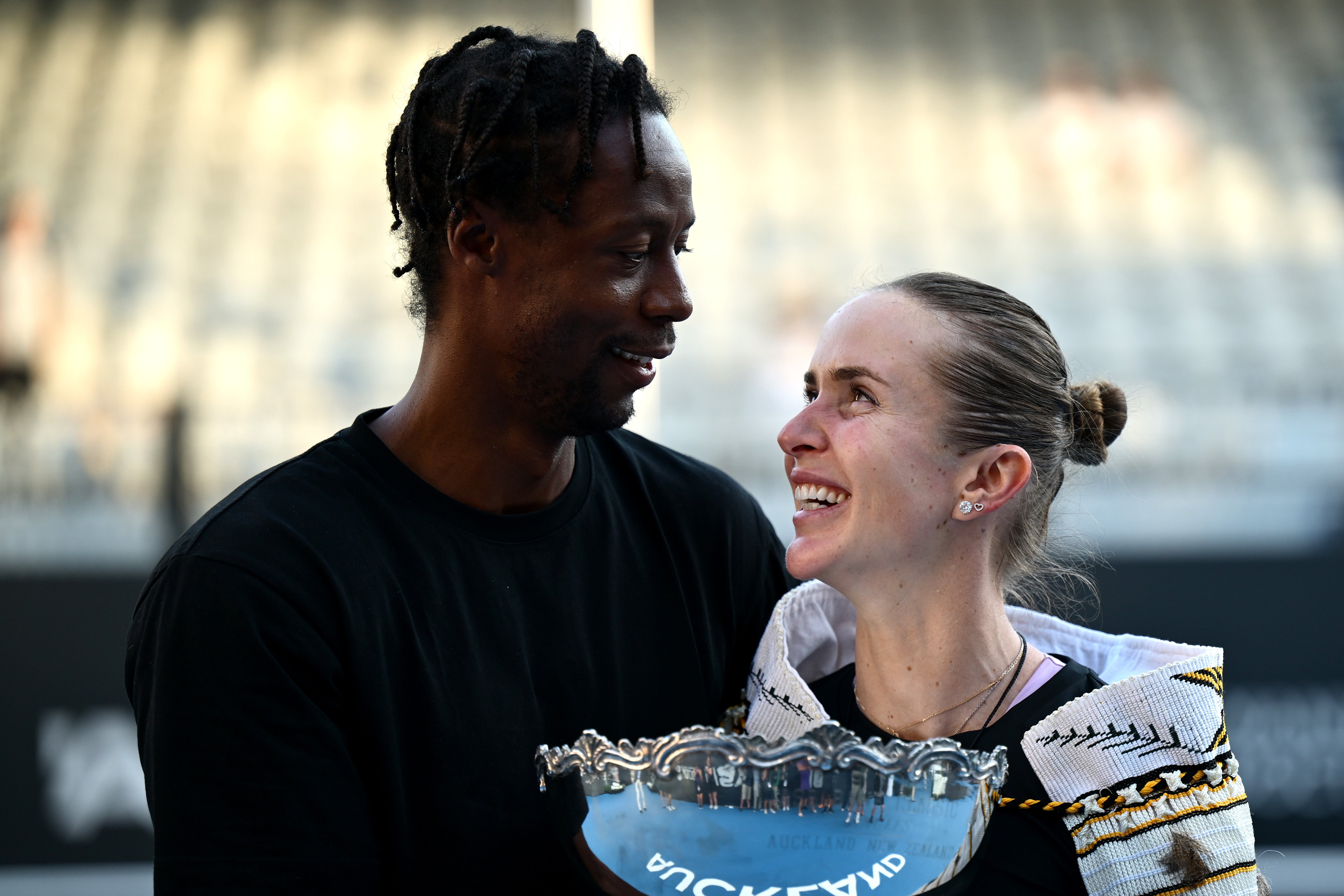
Away from the court, Svitolina’s husband, French player Gael Monfils, is set to retire at the end of the year, making the upcoming Roland Garros his final appearance.
Svitolina reflected, “It’s going to be very, very busy, but in the same way I think very special for us as a family and of course for him personally. Just going to enjoy and give it his best shot. The last one.”
About the Author