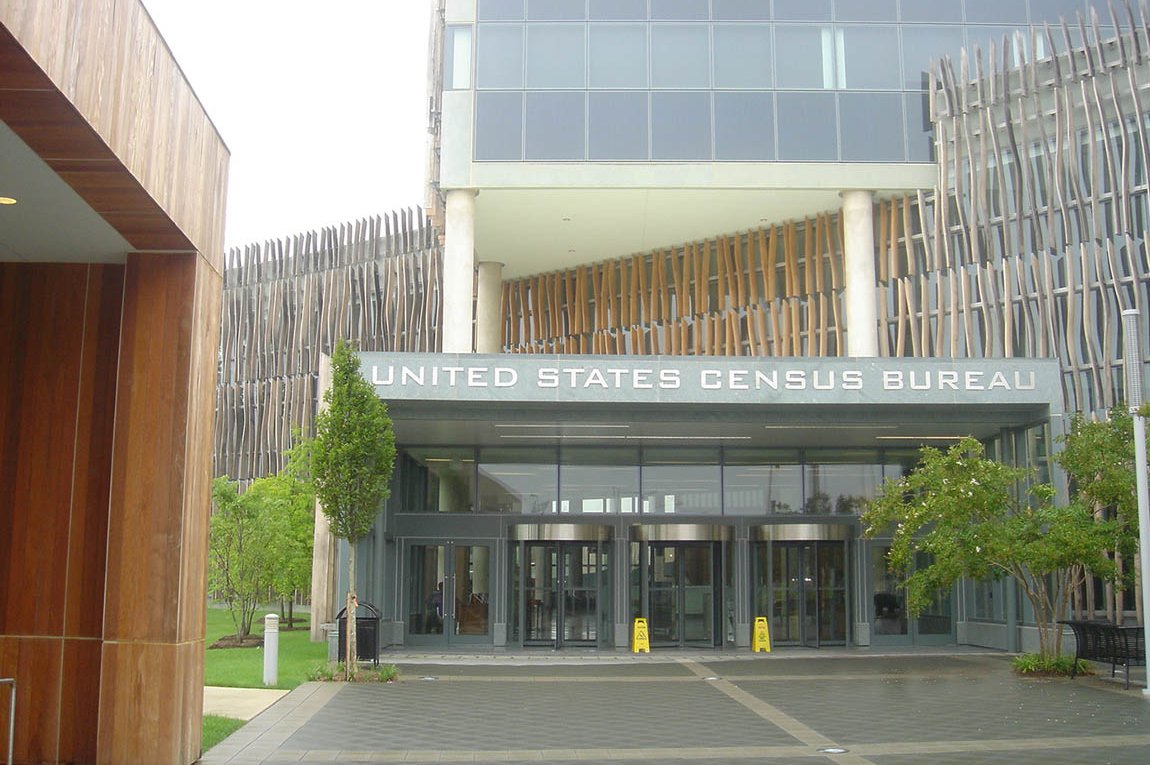
Population held steady in midsize American cities, the Census Bureau said. File Photo by UPI
May 14 (UPI) — Population numbers remained about the same in most U.S. midsize cities, the Census Bureau said Thursday.
While the national population grew slowly, the population in major cities dropped, a new report from the Census Bureau said.
The Bureau defines midsize cities as those with populations of 25,000 to 70,000. An example is Fort Mill, S.C., which was the fastest-growing city in the Charlotte, N.C., metro area. Its population increased by 6.8%, to 38,673. Its growth was faster than that of Charlotte, the United States’ 14th-largest city.
The new report shows population from July 1, 2024, to July 1, 2025. Tighter immigration policies slowed immigration during that time, and birthrates slowed to a record low.
The U.S. population increased by about 1.8 million over that time, bringing it to almost 342 million. That’s a 0.5% growth rate. The Census shows that the steepest population declines were in large cities, particularly in the northeast.
The South led the lists of the fastest-growing and highest-gaining cities, the report said. The region claims 10 of the nation’s 15 fastest-growing cities and 11 of the 12 largest numeric gains.
The top five fastest-growing cities in the United States with populations of 20,000 or more were all in Texas, with four of them clustered in the suburbs of the Dallas-Fort Worth-Arlington metro area and the fifth located outside Houston.
Celina, Texas, which is near Dallas, was the fastest-growing city in the country, surging by 24.6%. Celina was also the nation’s fastest-growing city in 2023. Austin, Texas, crossed the 1 million population mark for the first time.
“The growth slowdown in bigger cities has a lot to do with the recent downturn in immigration, as immigrants tend to land in these cities,” William Frey, a demographer at the Brookings Institution, told The New York Times. He said more declines could happen as immigration is curbed.
Net immigration added 1.3 million during the year, compared with the previous year’s 2.7 million. The Census Bureau has said that if current trends continue, net immigration will decline to about 321,000.
Housing growth did not fall, the Bureau said. The nation’s housing stock – defined as the total number of housing units – reached 148.3 million in 2025, an increase of 1.4 million (1.0%) from 2024, similar to the increase over the previous one-year period. From April 1, 2020, to July 1, 2025, the housing stock increased by 7.8 million (5.5%).
About the Author