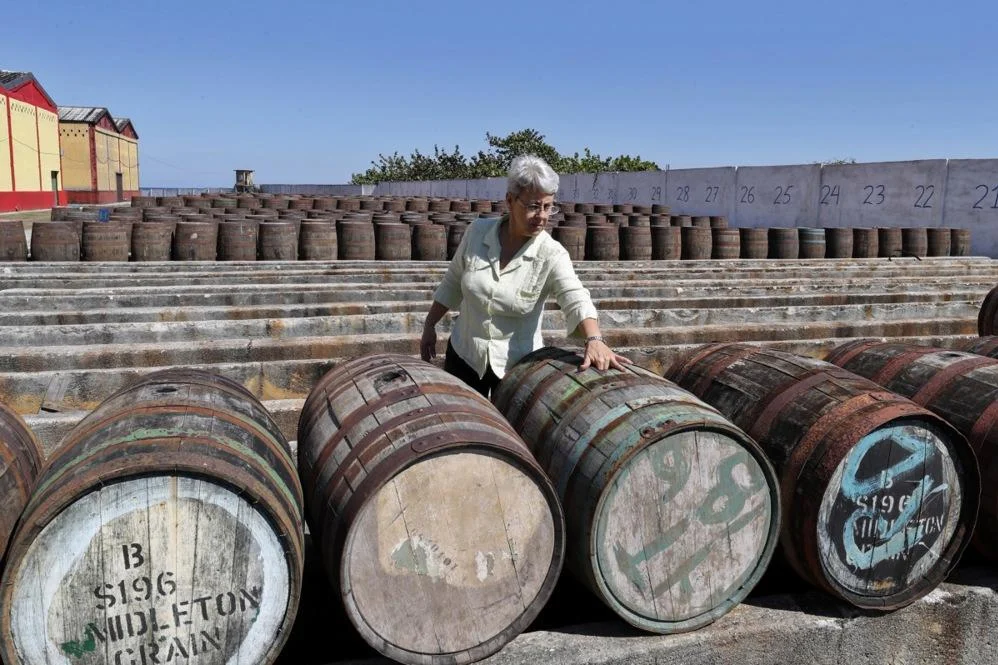
Mexican President Claudia Sheinbaum said Cuba’s decision to further open its economy to private sector participation could allow Mexican private and mixed-capital companies to expand operations on the island. File Photo by Ernesto Mastrascusa/EPA
April 22 (UPI) — Mexican President Claudia Sheinbaum said her government is assessing new investment opportunities and trade agreements with Cuba after Havana’s decision to further open its economy to private sector participation.
Sheinbaum said Monday the policy shift could allow Mexican private and mixed-capital companies to expand operations on the island.
“Cuba has opened its economy. That means there may be investments in Cuba from private companies or cooperation with joint ventures. We are working on it and evaluating what development opportunities exist,” she said.
Sheinbaum said the initiative aligns with Mexico’s ongoing humanitarian cooperation with Cuba, including shipments of food and supplies as the Caribbean nation faces a prolonged economic and energy crisis.
Mexico has defended its sovereign right to supply fuel to Cuba for humanitarian and commercial purposes and is evaluating the potential involvement of private firms in reselling crude oil from state-owned Petróleos Mexicanos, known as Pemex, to the island.
Despite close political ties, bilateral trade remains limited. In 2025, Mexico exported $758 million worth of goods to Cuba, mainly oil and minerals, while imports from the island totaled just $14 million.
Cuba has announced plans to deepen economic reforms as it faces a severe liquidity and energy shortage. In March, authorities unveiled a structural reform aimed at attracting foreign and diaspora capital.
The plan includes a new “investor migration status” allowing Cubans living abroad to invest in private businesses and strategic sectors without losing their residency status, marking a shift from decades of restrictions on expatriate capital.
During events marking the 69th anniversary of the declaration of the socialist character of the Cuban Revolution, President Miguel Díaz-Canel called for immediate changes to the country’s economic model.
The policy shift seeks to give a larger role to private businesses and joint ventures to help ease production constraints and revive economic activity. Cuban authorities have signaled a willingness to further liberalize investment rules, prompting countries such as Mexico to explore direct business opportunities involving private firms.
However, Cuba’s economic opening remains partial and tightly regulated, according to local media reports. Analysts say continued state controls, chronic foreign currency shortages and a fragile power grid continue to weigh on the country’s economic outlook.
About the Author